

What's inside
What's inside
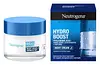 Key Ingredients
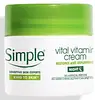
Benefits
Concerns
Ingredients Side-by-side
Water
Skin ConditioningGlycerin
Humectant


Isopropyl Palmitate
Emollient


Cetyl Alcohol
Emollient

Cetearyl Olivate
Sorbitan Olivate
Emulsifying
Caprylyl Glycol
Emollient
Arginine
Masking
Carnosine
Skin Conditioning
Alanine
Masking
Serine
Masking
Threonine
Lidocaine Hcl
Tropolone
Skin ConditioningProline
Skin Conditioning
Maltose
MaskingAllantoin
Skin Conditioning

Glycine
Buffering
Pentylene Glycol
Skin Conditioning
Ethylhexylglycerin
Skin ConditioningSodium Hyaluronate
Humectant
1,2-Hexanediol
Skin Conditioning
Fructose
Humectant
Urea
Buffering

Betaine
Humectant
Glucose
Humectant
Trehalose
Humectant
Glutamic Acid
Humectant
PCA
Humectant
Sodium PCA
Humectant
Sodium Lactate
Buffering
Palmitic Acid
Emollient
Stearic Acid
Cleansing
Dimethicone
Emollient
Polyacrylate Crosspolymer-6
Emulsion StabilisingSodium Chloride
MaskingT-Butyl Alcohol
Perfuming


Citric Acid
Buffering


Sodium Hydroxide
BufferingTocopherol
Antioxidant


Parfum
Masking

Water, Glycerin, Isopropyl Palmitate, Cetyl Alcohol, Cetearyl Olivate, Sorbitan Olivate, Caprylyl Glycol, Arginine, Carnosine, Alanine, Serine, Threonine, Lidocaine Hcl, Tropolone, Proline, Maltose, Allantoin, Glycine, Pentylene Glycol, Ethylhexylglycerin, Sodium Hyaluronate, 1,2-Hexanediol, Fructose, Urea, Betaine, Glucose, Trehalose, Glutamic Acid, PCA, Sodium PCA, Sodium Lactate, Palmitic Acid, Stearic Acid, Dimethicone, Polyacrylate Crosspolymer-6, Sodium Chloride, T-Butyl Alcohol, Citric Acid, Sodium Hydroxide, Tocopherol, Parfum
Water
Skin ConditioningPEG-8 Beeswax
Emulsifying
C12-15 Alkyl Benzoate
AntimicrobialGlycerin
Humectant
Squalane
Emollient
Cetyl Palmitate
Emollient
Panthenol
Skin Conditioning
Dimethicone
Emollient
Tocopheryl Acetate
Antioxidant
Bisabolol
Antioxidant
Allantoin
Skin Conditioning
Borago Officinalis Seed Oil
Emollient
Serine
Masking
Sodium Lactate
Buffering
Urea
Buffering
Sorbitol
Humectant
Pantolactone
Humectant
Lactic Acid
Buffering

Pentylene Glycol
Skin Conditioning
Sodium Chloride
MaskingCarbomer
Emulsion StabilisingSodium Hydroxide
BufferingDisodium EDTA
Methylparaben
Preservative


Propylparaben
Preservative
2-Bromo-2-Nitropropane-1,3-Diol
Preservative
Water, PEG-8 Beeswax, C12-15 Alkyl Benzoate, Glycerin, Squalane, Cetyl Palmitate, Panthenol, Dimethicone, Tocopheryl Acetate, Bisabolol, Allantoin, Borago Officinalis Seed Oil, Serine, Sodium Lactate, Urea, Sorbitol, Pantolactone, Lactic Acid, Pentylene Glycol, Sodium Chloride, Carbomer, Sodium Hydroxide, Disodium EDTA, Methylparaben, Propylparaben, 2-Bromo-2-Nitropropane-1,3-Diol
Reviews
Ingredients Explained
These ingredients are found in both products.
Ingredients higher up in an ingredient list are typically present in a larger amount.
Allantoin is a soothing ingredient known for its protective and moisturizing properties; it's basically a quiet workhorse ingredient you can find in a huge range of cosmetics.
Though it can be derived from the comfrey plant, allantoin is produced synthetically for cosmetic products to ensure purity.
Research shows it can encourage your skin cells to turn over and renew by stimulating keratinocyte and fibroblast proliferation.
It also has mild keratolytic properties to help loosen and shed dead skin cells without being harsh.
Studies also suggest allantoin can help calm inflammation by dialing down some of the chemical signals your skin sends out when it is irritated.
This ingredient is typically used in the 0.1-0.5% range, and the FDA recognizes it as a skin protectant in OTC products up to 2%.
Overall, allantoin is a wonderful addition to most routines; it is stable across a wide pH range (~4-8), works well with other ingredients, and is considered non-sensitizing/non-irritating.
Fun fact: Allantoin is naturally occurring in comfrey root, beets, chamomile, and wheat sprouts. Our bodies even produce it as a byproduct of uric acid metabolism.
Learn more about AllantoinDimethicone is a type of synthetic silicone created from natural materials such as quartz. It is also known as polydimethylsiloxane.
What it does:
Dimethicone comes in different viscosities:
Depending on the viscosity, dimethicone has different properties.
Ingredients lists don't always show which type is used, so we recommend reaching out to the brand if you have questions about the viscosity.
This ingredient is unlikely to cause irritation because it does not get absorbed into skin. However, people with silicone allergies should be careful about using this ingredient.
Note: Dimethicone may contribute to pilling. This is because it is not oil or water soluble, so pilling may occur when layered with products. When mixed with heavy oils in a formula, the outcome is also quite greasy.
Learn more about DimethiconeGlycerin (or glycerol) is a compound naturally found in your skin. It's a powerhouse humectant that pulls water into the stratum corneum.
Topically, glycerin does several things at once:
Your skin makes glycerin on its own (mostly from sebaceous oil breakdown) and shuttles it to your outermost layer of skin, or your epidermis, via aquaporin-3.
Aquaporin-3 is a transporter that is essential for normal skin hydration, elasticity, and repair. Interestingly, mice lacking in AQP3 have dry and less elastic skin that can be fully corrected with glycerin.
This ingredient is non-irritating, plays well with almost every ingredient, and works across all skin types. Typical use is anywhere between 3-10% but can go up to 79% in some leave-on products.
Just know very high concentrations (>40%) can feel tacky in low humidity.
Glycerin is the name for this ingredient in American English. British English uses Glycerol/Glycerine.
Learn more about GlycerinPentylene glycol is typically used within a product to thicken it. It also adds a smooth, soft, and moisturizing feel to the product. It is naturally found in plants such as sugar beets.
The hydrophilic trait of Pentylene Glycol makes it a humectant. As a humectant, Pentylene Glycol helps draw moisture from the air to your skin. This can help keep your skin hydrated.
This property also makes Pentylene Glycol a great texture enhancer. It can also help thicken or stabilize a product.
Pentylene Glycol also acts as a mild preservative and helps to keep a product microbe-free.
Some people may experience mild eye and skin irritation from Pentylene Glycol. We always recommend speaking with a professional about using this ingredient in your routine.
Pentylene Glycol has a low molecular weight and is part of the 1,2-glycol family.
Learn more about Pentylene GlycolSerine is a non-essential amino acid (your body makes it on its own!). It is a major player in your skin's natural moisturizing factor (NMF), or the water-loving molecules in your outermost layer of skin (stratum corneum) that keeps everything hydrated and happy.
Serine is one of your NMF's most abundant components that works as a skin-identical humectant. Its hydroxyl group grabs onto water molecules to boost hydration without any heaviness or occlusion.
Research on a hydrogel with serine confirmed this serine got delivered to your stratum corneum and demonstrated enhanced skin moisturization.
Interestingly serine also helps your skin produce filaggrin, a protein that keeps your skin barrier strong and used to create collagen.
Learn more about SerineChances are, you eat sodium chloride every day. Sodium Chloride is also known as table salt. This ingredient has many purposes in skincare: thickener, emulsifier, and exfoliator.
You'll most likely find this ingredient in cleansers where it is used to create a gel-like texture. As an emulsifier, it also prevents ingredients from separating.
You might see people debate whether Sodium Chloride is comedogenic, but there actually haven't been any comedogenic tests done on it. Either way, the overall formulation of a product matters a lot more than any single ingredient.
You might see this ingredient used in scrubs as a primary exfoliating ingredient.
Learn more about Sodium ChlorideSodium Hydroxide is also known as lye or caustic soda. It is used to adjust the pH of products; many ingredients require a specific pH to be effective.
In small amounts, sodium hydroxide is considered safe to use. However, large amounts may cause chemical burns due to its high alkaline.
Your skin has a natural pH and acid mantle. This acid mantle helps prevent harmful bacteria from breaking through. The acid mantle also helps keep your skin hydrated.
"Alkaline" refers to a high pH level. A low pH level would be considered acidic.
Learn more about Sodium HydroxideSodium Lactate is the sodium salt of lactic acid, an AHA. It is a humectant and sometimes used to adjust the pH of a product.
This ingredient is part of our skin's NMF, or natural moisturizing factor. Our NMF is essential for the hydration of our top skin layers and plasticity of skin. NMF also influences our skin's natural acid mantle and pH, which protects our skin from harmful bacteria.
High percentages of Sodium Lactate can have an exfoliating effect.
Fun fact: Sodium Lactate is produced from fermented sugar.
Learn more about Sodium LactateUrea is also called carbamide and is the diamide of carbonic acid. In cosmetics, urea is used to hydrate the skin. It also provides exfoliation in higher concentrations.
As a humectant, urea helps draw moisture from the air and from deep within the skin. This helps hydrate your skin. Studies show urea is an effective moisturizer for dry skin conditions. 40% urea is typical in medications for treating eczema and other skin conditions.
Urea has the strongest exfoliation effect in concentrations higher than 10%. It is a keratolytic agent, meaning it breaks down the keratin protein in the top layer of skin. This helps remove dead skin cells and flaking skin.
In medicine, urea has been shown to help increase the potency of other ingredients, such as fungal treatments.
Humans and animals use urea to metabolize nitrogen-containing compounds. Urea is highly soluble in water. Once dissolved, it is neither acidic nor alkaline.
Urea is actually one of the more well-studied and well-supported ingredients out there if you have eczema.
Clinical trials have shown that urea creams in the 5 - 10% range can:
Higher concentrations (20 -30%) can also help with thickened, scaly patches but is also more likely to sting on active flares.
Skip urea if you have rosacea. The AAD (American Academy of Dermatology) lists it alongside alcohol, menthol, and fragrance as a potential irritant for rosacea-prone skin. Urea's keratolytic and penetration-enhancing properties can trigger stinging, burning, and redness.
As always, your skin is unique, so definitely check in with your dermatologist.
Learn more about UreaWater. It's the most common cosmetic ingredient of all. You'll usually see it at the top of ingredient lists, meaning that it makes up the largest part of the product.
So why is it so popular? Water most often acts as a solvent - this means that it helps dissolve other ingredients into the formulation.
You'll also recognize water as that liquid we all need to stay alive. If you see this, drink a glass of water. Remember to stay hydrated!
Learn more about Water
