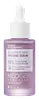
This anti-aging serum is formulated around Bakuchiol and Niacinamide to soften the look of wrinkles and refine skin texture.
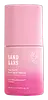
This brightening serum is formulated around Glycolic Acid and Bakuchiol to fade the look of dark spots and refine skin texture.


What's inside
What's inside
 Key Ingredients
Benefits
Concerns
Ingredients Side-by-side
Water
Skin ConditioningButylene Glycol
Humectant

Rubus Fruticosus Fruit Extract
AstringentGlycerin
Humectant
1,2-Hexanediol
Skin Conditioning
Niacinamide
Smoothing









Glycereth-26
Humectant
Diglycerin
Humectant
Caprylic/Capric Triglyceride
Masking
Acrylates/C10-30 Alkyl Acrylate Crosspolymer
Emulsion StabilisingTromethamine
BufferingGlyceryl Acrylate/Acrylic Acid Copolymer
HumectantPvm/Ma Copolymer
Emulsion StabilisingEthylhexylglycerin
Skin ConditioningXanthan Gum
EmulsifyingAdenosine
Skin Conditioning
Polyglycerin-3
Humectant
Gardenia Florida Fruit Extract
Skin ConditioningMelaleuca Alternifolia Leaf Oil
Antioxidant





Pelargonium Graveolens Flower Oil
Masking
Salvia Sclarea Oil
Masking
Bakuchiol
Antimicrobial
Aloe Barbadensis Leaf Extract
Emollient
Squalane
Emollient
Sodium Hyaluronate
Humectant
Dipropylene Glycol
HumectantDextrin
AbsorbentCyanocobalamin
Skin ConditioningOlea Europaea Fruit Oil
Masking


Solanum Melongena Fruit Extract
Skin ConditioningGuaiazulene
Antimicrobial
Lavandula Angustifolia Oil
Masking
Sodium Ascorbyl Phosphate
Antioxidant
Ascorbic Acid
Antioxidant
Tocopheryl Acetate
Antioxidant
Hydrolyzed Lupine Protein
Skin ConditioningHelianthus Annuus Seed Oil
Emollient
Lupinus Albus Seed Extract
Skin ConditioningPalmitoyl Tripeptide-5
Skin Conditioning
Caprylyl Glycol
Emollient
Tocopherol
Antioxidant
Acetyl Hexapeptide-8
Humectant
Water, Butylene Glycol, Rubus Fruticosus Fruit Extract, Glycerin, 1,2-Hexanediol, Niacinamide, Glycereth-26, Diglycerin, Caprylic/Capric Triglyceride, Acrylates/C10-30 Alkyl Acrylate Crosspolymer, Tromethamine, Glyceryl Acrylate/Acrylic Acid Copolymer, Pvm/Ma Copolymer, Ethylhexylglycerin, Xanthan Gum, Adenosine, Polyglycerin-3, Gardenia Florida Fruit Extract, Melaleuca Alternifolia Leaf Oil, Pelargonium Graveolens Flower Oil, Salvia Sclarea Oil, Bakuchiol, Aloe Barbadensis Leaf Extract, Squalane, Sodium Hyaluronate, Dipropylene Glycol, Dextrin, Cyanocobalamin, Olea Europaea Fruit Oil, Solanum Melongena Fruit Extract, Guaiazulene, Lavandula Angustifolia Oil, Sodium Ascorbyl Phosphate, Ascorbic Acid, Tocopheryl Acetate, Hydrolyzed Lupine Protein, Helianthus Annuus Seed Oil, Lupinus Albus Seed Extract, Palmitoyl Tripeptide-5, Caprylyl Glycol, Tocopherol, Acetyl Hexapeptide-8
Water
Skin ConditioningCaprylic/Capric Triglyceride
Masking
Glycolic Acid
Buffering

Alpha-Glucan Oligosaccharide
Cleansing
1,2-Hexanediol
Skin Conditioning
Propanediol
Solvent
Sodium Hydroxide
BufferingPotassium Cetyl Phosphate
EmulsifyingBakuchiol
Antimicrobial
Polyacrylate Crosspolymer-6
Emulsion StabilisingGlycerin
Humectant
Polymnia Sonchifolia Root Juice
Skin ConditioningCetyl Palmitate
Emollient
Maltodextrin
Absorbent
Caprylyl Glycol
Emollient
Acrylates/C10-30 Alkyl Acrylate Crosspolymer
Emulsion StabilisingChondrus Crispus Extract
Skin Conditioning
Parfum
Masking
T-Butyl Alcohol
Perfuming

Lactobacillus
Skin ConditioningBiosaccharide Gum-1
Humectant
Acronychia Acidula Fruit Extract
HumectantDavidsonia Pruriens Fruit Extract
Antioxidant
Syzygium Luehmannii Fruit Extract
Antioxidant
Benzyl Alcohol
Perfuming
Lithothamnion Calcareum Extract
Skin ConditioningSodium Levulinate
Skin ConditioningSodium Hyaluronate
Humectant
Glyceryl Caprylate
EmollientSodium Anisate
AntimicrobialDehydroacetic Acid
Preservative
Water, Caprylic/Capric Triglyceride, Glycolic Acid, Alpha-Glucan Oligosaccharide, 1,2-Hexanediol, Propanediol, Sodium Hydroxide, Potassium Cetyl Phosphate, Bakuchiol, Polyacrylate Crosspolymer-6, Glycerin, Polymnia Sonchifolia Root Juice, Cetyl Palmitate, Maltodextrin, Caprylyl Glycol, Acrylates/C10-30 Alkyl Acrylate Crosspolymer, Chondrus Crispus Extract, Parfum, T-Butyl Alcohol, Lactobacillus, Biosaccharide Gum-1, Acronychia Acidula Fruit Extract, Davidsonia Pruriens Fruit Extract, Syzygium Luehmannii Fruit Extract, Benzyl Alcohol, Lithothamnion Calcareum Extract, Sodium Levulinate, Sodium Hyaluronate, Glyceryl Caprylate, Sodium Anisate, Dehydroacetic Acid
Reviews
Ingredients Explained
These ingredients are found in both products.
Ingredients higher up in an ingredient list are typically present in a larger amount.
1,2-Hexanediol is a synthetic liquid and another multi-functional powerhouse.
It is a:
- Humectant, drawing moisture into the skin
- Emollient, helping to soften skin
- Solvent, dispersing and stabilizing formulas
- Preservative booster, enhancing the antimicrobial activity of other preservatives
Acrylates/C10-30 Alkyl Acrylate Crosspolymer is a synthetic polymer. It is used to thicken, emulsify, and improve the texture of products.
As an emulsifier, it helps stabilize oil-in-water emulsions to give products an elegant feel when applied.
It can also form a thin protective film on skin. One study found that a formula using this polymer helped slow down how quickly other ingredients (like DEET) were absorbed through skin.
A 2024 study of over 1,300 patients confirmed that sensitization to this ingredient is rare. It is also non-mutagenic and has a clean track record.
Learn more about Acrylates/C10-30 Alkyl Acrylate CrosspolymerBakuchiol is a plant-derived antioxidant from the seeds of the Psoralea corylifolia plant. It has antimicrobial, emollient, skin conditioning, and antioxidant properties.
You'll likely see it called a "retinol replacement" but the two are technically not related. This is because bakuchiol is able to flip many of the same switches in your skin cells to tell them to:
1) produce more collagen (type I, III, and IV)
2) activate the same genes retinoids do
Unlike retinoids, this ingredient will not increase photosensitivity and is safe to use during pregnancy (but please still check in with your doctor!).
The flagship clinical trial from Dhaliwal et al. 2019 found 0.5% bakuchiol (twice daily) and 0.5% retinol (once daily) reduced wrinkles and hyperpigmentation equally, but bakuchiol had significantly less irritation.
Systematic reviews also back this up:
Bakuchiol is comparable to retinol for photoaging but with better tolerability. It also has mild antibacterial properties against Cutibacterium acnes and antifungal activity in vitro against Candida and dermatophytes.
The reason bakuchiol works well is due to its structure; it is a meroterpene phenol, or a hybrid molecule. The phenol half acts as an antioxidant while the terpene half is fat-loving. This helps the molecule slip through the skin barrier.
This ingredient is usually used between 0.5-2%. Only one case of contact dermatitis has ever been reported for this ingredient.
Learn more about BakuchiolCaprylic/Capric Triglyceride (aka MCT Oil) is a lightweight emollient, solvent, and texture enhancer. It is considered a skin-softener by helping to prevent moisture loss.
Though it behaves like an oil, it is not technically one due to its chemical composition. One perk of this ingredient is that it is very stable, resistant to oxidation, and unlikely to go rancid.
In practice, that translates to a long shelf life and a consistently elegant skin feel.
While there is an assumption Caprylic Triglyceride can clog pores due to it being derived from coconut oil, there is no research supporting this. Just patch test if you have concerns.
Fractionated coconut oil and MCT Oil are both listed as Caprylic/Capric Triglyceride according to INCI. This is because INCI names are based on the ingredient’s final chemical composition and not its marketing name or source.
This ingredient is treated as the gold standard fungal acne safe oil. Even though it is coconut derived, the problematic lauric acid is stripped out.
This leaves just caprylic (C8) and capric (C10) acid. These chain lengths actually trend antifungal; a 2020 study found caprylic acid was enough to disrupt Malassezia furfur cell membrane, with a caprylic acid derivative damaging membrane structures at concentrations as low as 0.2%.
Learn more about Caprylic/Capric TriglycerideCaprylyl Glycol is a humectant, skin conditioner, emollient, and preservative booster derived from either caprylic acid or synthetically created.
Typical use levels vary from 0.3-1% as a preservative booster and go up to 2% to condition skin.
Because it is not a free-fatty acid, this ingredient is fungal acne safe (there's nothing for Malassezia to feed on).
Learn more about Caprylyl GlycolGlycerin (or glycerol) is a compound naturally found in your skin. It's a powerhouse humectant that pulls water into the stratum corneum.
Topically, glycerin does several things at once:
Your skin makes glycerin on its own (mostly from sebaceous oil breakdown) and shuttles it to your outermost layer of skin, or your epidermis, via aquaporin-3.
Aquaporin-3 is a transporter that is essential for normal skin hydration, elasticity, and repair. Interestingly, mice lacking in AQP3 have dry and less elastic skin that can be fully corrected with glycerin.
This ingredient is non-irritating, plays well with almost every ingredient, and works across all skin types. Typical use is anywhere between 3-10% but can go up to 79% in some leave-on products.
Just know very high concentrations (>40%) can feel tacky in low humidity.
Glycerin is the name for this ingredient in American English. British English uses Glycerol/Glycerine.
Learn more about GlycerinSodium Hyaluronate is the salt form of hyaluronic acid. It is a long sugar chain that is naturally found in your skin, joints, and connective tissue that maintains hydration and elasticity.
In skincare, it works as a humectant. It pulls water from the environment and deeper layers of skin and binds it to the surface.
Interestingly, the size of the molecule affects its behavior:
Some clinical evidence links low molecular weight versions to improved wrinkle depth, elasticity, anti-inflammatory effects, and barrier repair.
Many serums use a blend of both weights so you can get surface hydration plus longer-lasting and deeper effects.
You'll typically see concentrations between 0.1-2% for this ingredient.
Learn more about Sodium HyaluronateWater. It's the most common cosmetic ingredient of all. You'll usually see it at the top of ingredient lists, meaning that it makes up the largest part of the product.
So why is it so popular? Water most often acts as a solvent - this means that it helps dissolve other ingredients into the formulation.
You'll also recognize water as that liquid we all need to stay alive. If you see this, drink a glass of water. Remember to stay hydrated!
Learn more about Water

