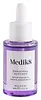
This anti-aging serum is formulated around Bakuchiol and Centella Asiatica Leaf Extract to soften the look of wrinkles and calm redness.
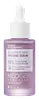
This anti-aging serum is formulated around Bakuchiol and Niacinamide to soften the look of wrinkles and refine skin texture.


What's inside
What's inside
 Key Ingredients
Benefits
Concerns
Ingredients Side-by-side
Caprylic/Capric Triglyceride
Masking


Helianthus Annuus Seed Oil
Emollient


Bakuchiol
Antimicrobial









Krameria Triandra Root Extract
Skin ConditioningPlukenetia Volubilis Seed Oil
Emollient
Moringa Oleifera Seed Oil
Emollient

Tocopherol
Antioxidant
Centella Asiatica Leaf Extract
Skin Conditioning
Aloe Barbadensis Flower Extract
EmollientCorallina Officinalis Extract
Skin Conditioning
Coccinia Indica Fruit Extract
Skin Conditioning
Solanum Melongena Fruit Extract
Skin ConditioningSimmondsia Chinensis Seed Oil
Emollient
Curcuma Longa Root Extract
Antioxidant
Ocimum Basilicum Flower/Leaf Extract
TonicOcimum Sanctum Leaf Extract
Skin ConditioningEclipta Prostrata Extract
Skin Conditioning
Melia Azadirachta Leaf Extract
Skin ConditioningMelia Azadirachta Flower Extract
Skin ConditioningUndecylenoyl Phenylalanine
Skin Conditioning
Olea Europaea Fruit Oil
Masking
Caprylic/Capric Triglyceride, Helianthus Annuus Seed Oil, Bakuchiol, Krameria Triandra Root Extract, Plukenetia Volubilis Seed Oil, Moringa Oleifera Seed Oil, Tocopherol, Centella Asiatica Leaf Extract, Aloe Barbadensis Flower Extract, Corallina Officinalis Extract, Coccinia Indica Fruit Extract, Solanum Melongena Fruit Extract, Simmondsia Chinensis Seed Oil, Curcuma Longa Root Extract, Ocimum Basilicum Flower/Leaf Extract, Ocimum Sanctum Leaf Extract, Eclipta Prostrata Extract, Melia Azadirachta Leaf Extract, Melia Azadirachta Flower Extract, Undecylenoyl Phenylalanine, Olea Europaea Fruit Oil
Water
Skin ConditioningButylene Glycol
Humectant
Rubus Fruticosus Fruit Extract
AstringentGlycerin
Humectant
1,2-Hexanediol
Skin Conditioning
Niacinamide
Smoothing


Glycereth-26
Humectant
Diglycerin
Humectant
Caprylic/Capric Triglyceride
Masking
Acrylates/C10-30 Alkyl Acrylate Crosspolymer
Emulsion StabilisingTromethamine
BufferingGlyceryl Acrylate/Acrylic Acid Copolymer
HumectantPvm/Ma Copolymer
Emulsion StabilisingEthylhexylglycerin
Skin ConditioningXanthan Gum
EmulsifyingAdenosine
Skin Conditioning
Polyglycerin-3
Humectant
Gardenia Florida Fruit Extract
Skin ConditioningMelaleuca Alternifolia Leaf Oil
Antioxidant

Pelargonium Graveolens Flower Oil
Masking
Salvia Sclarea Oil
Masking
Bakuchiol
Antimicrobial
Aloe Barbadensis Leaf Extract
Emollient
Squalane
Emollient
Sodium Hyaluronate
Humectant
Dipropylene Glycol
HumectantDextrin
AbsorbentCyanocobalamin
Skin ConditioningOlea Europaea Fruit Oil
Masking
Solanum Melongena Fruit Extract
Skin ConditioningGuaiazulene
Antimicrobial
Lavandula Angustifolia Oil
Masking
Sodium Ascorbyl Phosphate
Antioxidant
Ascorbic Acid
Antioxidant
Tocopheryl Acetate
Antioxidant
Hydrolyzed Lupine Protein
Skin ConditioningHelianthus Annuus Seed Oil
Emollient
Lupinus Albus Seed Extract
Skin ConditioningPalmitoyl Tripeptide-5
Skin Conditioning
Caprylyl Glycol
Emollient
Tocopherol
Antioxidant
Acetyl Hexapeptide-8
Humectant
Water, Butylene Glycol, Rubus Fruticosus Fruit Extract, Glycerin, 1,2-Hexanediol, Niacinamide, Glycereth-26, Diglycerin, Caprylic/Capric Triglyceride, Acrylates/C10-30 Alkyl Acrylate Crosspolymer, Tromethamine, Glyceryl Acrylate/Acrylic Acid Copolymer, Pvm/Ma Copolymer, Ethylhexylglycerin, Xanthan Gum, Adenosine, Polyglycerin-3, Gardenia Florida Fruit Extract, Melaleuca Alternifolia Leaf Oil, Pelargonium Graveolens Flower Oil, Salvia Sclarea Oil, Bakuchiol, Aloe Barbadensis Leaf Extract, Squalane, Sodium Hyaluronate, Dipropylene Glycol, Dextrin, Cyanocobalamin, Olea Europaea Fruit Oil, Solanum Melongena Fruit Extract, Guaiazulene, Lavandula Angustifolia Oil, Sodium Ascorbyl Phosphate, Ascorbic Acid, Tocopheryl Acetate, Hydrolyzed Lupine Protein, Helianthus Annuus Seed Oil, Lupinus Albus Seed Extract, Palmitoyl Tripeptide-5, Caprylyl Glycol, Tocopherol, Acetyl Hexapeptide-8
Reviews
Ingredients Explained
These ingredients are found in both products.
Ingredients higher up in an ingredient list are typically present in a larger amount.
Bakuchiol is a plant-derived antioxidant from the seeds of the Psoralea corylifolia plant. It has antimicrobial, emollient, skin conditioning, and antioxidant properties.
You'll likely see it called a "retinol replacement" but the two are technically not related. This is because bakuchiol is able to flip many of the same switches in your skin cells to tell them to:
1) produce more collagen (type I, III, and IV)
2) activate the same genes retinoids do
Unlike retinoids, this ingredient will not increase photosensitivity and is safe to use during pregnancy (but please still check in with your doctor!).
The flagship clinical trial from Dhaliwal et al. 2019 found 0.5% bakuchiol (twice daily) and 0.5% retinol (once daily) reduced wrinkles and hyperpigmentation equally, but bakuchiol had significantly less irritation.
Systematic reviews also back this up:
Bakuchiol is comparable to retinol for photoaging but with better tolerability. It also has mild antibacterial properties against Cutibacterium acnes and antifungal activity in vitro against Candida and dermatophytes.
The reason bakuchiol works well is due to its structure; it is a meroterpene phenol, or a hybrid molecule. The phenol half acts as an antioxidant while the terpene half is fat-loving. This helps the molecule slip through the skin barrier.
This ingredient is usually used between 0.5-2%. Only one case of contact dermatitis has ever been reported for this ingredient.
Learn more about BakuchiolCaprylic/Capric Triglyceride (aka MCT Oil) is a lightweight emollient, solvent, and texture enhancer. It is considered a skin-softener by helping to prevent moisture loss.
Though it behaves like an oil, it is not technically one due to its chemical composition. One perk of this ingredient is that it is very stable, resistant to oxidation, and unlikely to go rancid.
In practice, that translates to a long shelf life and a consistently elegant skin feel.
While there is an assumption Caprylic Triglyceride can clog pores due to it being derived from coconut oil, there is no research supporting this. Just patch test if you have concerns.
Fractionated coconut oil and MCT Oil are both listed as Caprylic/Capric Triglyceride according to INCI. This is because INCI names are based on the ingredient’s final chemical composition and not its marketing name or source.
This ingredient is treated as the gold standard fungal acne safe oil. Even though it is coconut derived, the problematic lauric acid is stripped out.
This leaves just caprylic (C8) and capric (C10) acid. These chain lengths actually trend antifungal; a 2020 study found caprylic acid was enough to disrupt Malassezia furfur cell membrane, with a caprylic acid derivative damaging membrane structures at concentrations as low as 0.2%.
Learn more about Caprylic/Capric TriglycerideHelianthus Annuus Seed Oil is a plant oil derived from the seeds of a sunflower.
It is rich in fatty acids, primarily linoleic acid and oleic acid. This gives it emollient and skin conditioning properties.
The reason this ingredient is so effective is because it forms a thin film on the skin that reduces transepidermal water loss (TEWL) while supplying linoleic acid to the stratum corneum to improve barrier strength.
The high linoleic acid content is particularly noteworthy for acne-prone skin.
Research suggests that acne-prone skin tends to be deficient in linoleic acid in sebum. Topical application may help replenish this to support a healthier follicular environment and less comedone-promoting sebum.
One randomized study found sunflower seed oil preserved skin barrier integrity in adult volunteers with and without atopic dermatitis (outperforming olive oil).
This ingredient is well-studied, gentle, and an effective emollient suitable for most skin types.
On fungal acne: This ingredient may not be Fungal acne (Malassezia folliculitis) safe. This is because it contains fatty acids with carbon chain lengths in the C11-C24 range.
Learn more about Helianthus Annuus Seed OilThis ingredient is also known as olive oil. It has been used in skincare for centuries and science largely backs up its reputation as a nourishing emollient.
The main components of olive oil are oleic acid (55-83%), linoleic acid (3.5-20%), and palmitic acid (7-20%). Oleic acid promotes skin regeneration and helps regulate inflammatory responses.
Squalene is also naturally present in olive oil and exhibits moisturizing and antioxidant properties.
The polyphenols in olive oil also show anti-aging promise; one clinical study found a measurable improvement in skin appearance after 30 days of topical serum use.
Just be aware that applying olive oil directly to skin can weaken the barrier and cause redness. One study with volunteers found even people without sensitive skin experienced a significant reduction in stratum corneum integrity and induced mild erythema.
It's best to use this ingredient as part of a carefully crafted formula (instead of putting it on skin directly from the bottle).
Because it has a 0-2 on the comedogenic scale, it is low risk for acne-prone skin. Just remember the overall formulation of a product matters more than a few ingredients with comedogenic ratings.
This ingredient may not be fungal acne safe because of the oleic and palmitic acid content. These fall within the C11-24 fatty acid range that the Malassezia yeast can metabolize to grow.
Overall, olive oil is a well-studied and nourishing skincare ingredient.
Learn more about Olea Europaea Fruit OilThis ingredient comes from eggplant (or aubergine). It has skin conditioning properties due to its abundance of antioxidants like Chlorogenic Acid, Caffeic Acid, and Nasunin.
Nasunin is the pigment concentrated in the purple peel and has demonstrated the abilityu to neutralize free radicals and bind excess iron in lab studies.
Lab studies have shown that eggplant extracts can lower oxidative stress and protect skin cell membranes from damage. A 2025 study found that specific compounds in eggplant (particularly a phenolamide called N-Trans-Feruloylputrescine) may support skin health by neutralizing 2-nonenal, a byproduct linked to aging skin.
Overall, this is a gentle, well-tolerated ingredient that adds a little extra antioxidant support to your routine.
Those with nighshade vegetable allergies (tomatoes, peppers, potatoes) should patch test as eggplant is part of the same family.
Learn more about Solanum Melongena Fruit ExtractTocopherol is a fat-soluble antioxidant known as Vitamin E.
You'll find this ingredient in the vast majority of skincare (for good reason). It works to neutralize free radicals, or unstable molecules generated by UV exposure, pollution, and other environmental stressors, before they can cause oxidative damage to your skin cells.
Topically applied tocopherol has been shown to protect against UV damage by ramping up the skin's own natural defense enzymes.
It also acts as a skin conditioning agent; some studies show that regular topical use can improve the skin's water-binding capacity over 2-4 weeks.
This ingredient is especially loved for being a team player. When combined with Vitamin C, the photoprotective effect of both ingredients roughly doubles and the combo also helps reduce UV-induced DNA damage.
This ingredient has some brightening potential but it's more of a prevention ingredient than spot-fader. Cell studies show it can slow down melanin production but it's worth noting that it's not the most powerful brightener out there.
In formulations, it also serves as a stabilizer that helps protect other oxidation-prone ingredients from degrading.
Concentrations usually range from 0.1-1% in most leave-on products.
Learn more about Tocopherol

