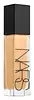
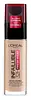
NARS Cosmetics Natural Radiant Longwear Foundation Versus L'Oreal Infallible 32H Freshwear Foundation

What's inside
What's inside
 Key Ingredients
Benefits
Concerns
Ingredients Side-by-side
Dimethicone
Emollient

Water
Skin ConditioningPhenyl Trimethicone
Skin Conditioning
Glycerin
Humectant

Polymethylsilsesquioxane
PEG-10 Dimethicone
Skin Conditioning
Dimethicone Crosspolymer
Emulsion Stabilising
Cyclopentasiloxane
Emollient
Trimethylsiloxysilicate
Emollient
PPG-3 Benzyl Ether Myristate
EmollientBoron Nitride
Absorbent
Bis-Butyldimethicone Polyglyceryl-3
Cleansing
Butylene Glycol
Humectant
Sorbitan Sesquiisostearate
Emulsifying

Rubus Idaeus Fruit Extract
AstringentCitrullus Lanatus Fruit Extract
Skin Conditioning
Pyrus Malus Fruit Extract
Skin Conditioning
Lens Esculenta Fruit Extract
Skin ConditioningTocopherol
Antioxidant





Sodium PCA
Humectant
Sodium Lactate
Buffering
Disodium Stearoyl Glutamate
CleansingHydrogenated Polydecene
EmollientPentaerythrityl Tetraethylhexanoate
Emollient
PEG/PPG-14/7 Dimethyl Ether
Skin ConditioningPentaerythrityl Tetra-Di-T-Butyl Hydroxyhydrocinnamate
Antioxidant
Sodium Stearoyl Glutamate
CleansingBehenic Acid
Cleansing
Stearic Acid
Cleansing
Stearyl Alcohol
Emollient
Behenyl Alcohol
Emollient
Disteardimonium Hectorite
StabilisingTriethoxycaprylylsilane
CI 77120
Cosmetic ColorantAluminum Dimyristate
Emulsion StabilisingAlumina
Abrasive
Tin Oxide
Abrasive
Polysilicone-2
Potassium Hydroxide
BufferingPhenoxyethanol
Preservative
Sodium Benzoate
Masking
Potassium Sorbate
Preservative
Mica
Cosmetic ColorantCI 77891
Cosmetic ColorantCI 77491
Cosmetic ColorantCI 77492
Cosmetic ColorantCI 77499
Cosmetic ColorantDimethicone, Water, Phenyl Trimethicone, Glycerin, Polymethylsilsesquioxane, PEG-10 Dimethicone, Dimethicone Crosspolymer, Cyclopentasiloxane, Trimethylsiloxysilicate, PPG-3 Benzyl Ether Myristate, Boron Nitride, Bis-Butyldimethicone Polyglyceryl-3, Butylene Glycol, Sorbitan Sesquiisostearate, Rubus Idaeus Fruit Extract, Citrullus Lanatus Fruit Extract, Pyrus Malus Fruit Extract, Lens Esculenta Fruit Extract, Tocopherol, Sodium PCA, Sodium Lactate, Disodium Stearoyl Glutamate, Hydrogenated Polydecene, Pentaerythrityl Tetraethylhexanoate, PEG/PPG-14/7 Dimethyl Ether, Pentaerythrityl Tetra-Di-T-Butyl Hydroxyhydrocinnamate, Sodium Stearoyl Glutamate, Behenic Acid, Stearic Acid, Stearyl Alcohol, Behenyl Alcohol, Disteardimonium Hectorite, Triethoxycaprylylsilane, CI 77120, Aluminum Dimyristate, Alumina, Tin Oxide, Polysilicone-2, Potassium Hydroxide, Phenoxyethanol, Sodium Benzoate, Potassium Sorbate, Mica, CI 77891, CI 77491, CI 77492, CI 77499
Water
Skin ConditioningDimethicone
Emollient
Isododecane
EmollientAlcohol Denat.
Antimicrobial



Ethylhexyl Methoxycinnamate
UV Absorber

Trimethylsiloxysilicate
Emollient
Butylene Glycol
Humectant
PEG-10 Dimethicone
Skin Conditioning
Titanium Dioxide
Cosmetic Colorant
Perlite
Absorbent
Synthetic Fluorphlogopite
Nylon-12
Isopropyl Lauroyl Sarcosinate
Skin ConditioningDiisopropyl Sebacate
EmollientDisteardimonium Hectorite
StabilisingHdi/Trimethylol Hexyllactone Crosspolymer
Bis-PEG/PPG-14/14 Dimethicone
Emollient
Magnesium Sulfate
Aluminum Hydroxide
EmollientPhenoxyethanol
Preservative
Disodium Stearoyl Glutamate
CleansingHydrogen Dimethicone
Dipentaerythrityl Tetrahydroxystearate/Tetraisostearate
Skin Conditioning
Parfum
Masking

Silica Silylate
Emollient
Acrylonitrile/Methyl Methacrylate/Vinylidene Chloride Copolymer
Tocopherol
Antioxidant
Hexyl Cinnamal
Perfuming
Silica
Abrasive
Isobutane
Benzyl Salicylate
Perfuming
Linalool
Perfuming
Alpha-Isomethyl Ionone
Perfuming
Benzyl Alcohol
Perfuming
BHT
Antioxidant
Citronellol
Perfuming
CI 77891
Cosmetic ColorantCI 77491
Cosmetic ColorantCI 77492
Cosmetic ColorantCI 77499
Cosmetic ColorantCI 77510
Cosmetic ColorantWater, Dimethicone, Isododecane, Alcohol Denat., Ethylhexyl Methoxycinnamate, Trimethylsiloxysilicate, Butylene Glycol, PEG-10 Dimethicone, Titanium Dioxide, Perlite, Synthetic Fluorphlogopite, Nylon-12, Isopropyl Lauroyl Sarcosinate, Diisopropyl Sebacate, Disteardimonium Hectorite, Hdi/Trimethylol Hexyllactone Crosspolymer, Bis-PEG/PPG-14/14 Dimethicone, Magnesium Sulfate, Aluminum Hydroxide, Phenoxyethanol, Disodium Stearoyl Glutamate, Hydrogen Dimethicone, Dipentaerythrityl Tetrahydroxystearate/Tetraisostearate, Parfum, Silica Silylate, Acrylonitrile/Methyl Methacrylate/Vinylidene Chloride Copolymer, Tocopherol, Hexyl Cinnamal, Silica, Isobutane, Benzyl Salicylate, Linalool, Alpha-Isomethyl Ionone, Benzyl Alcohol, BHT, Citronellol, CI 77891, CI 77491, CI 77492, CI 77499, CI 77510
Reviews
Ingredients Explained
These ingredients are found in both products.
Ingredients higher up in an ingredient list are typically present in a larger amount.
Butylene Glycol (or BG) is used within cosmetic products for a few different reasons:
Overall, Butylene Glycol is a safe and well-rounded ingredient that works well with other ingredients.
Though this ingredient works well with most skin types, some people with sensitive skin may experience a reaction such as allergic rashes, closed comedones, or itchiness.
Learn more about Butylene GlycolCi 77491 is also hydrated iron III oxide. It's sole purpose is to give a red/pink hue to products.
Iron III oxides are classified as inorganic chemicals for coloring.
Synthetically created Ci 77491 is considered safer than those naturally found. This is because the synthetically created version may contain less impurities. Iron oxides are generally non-toxic and non-allergenic.
Learn more about CI 77491CI 77492 is also hydrated iron III oxide. It's sole purpose is to give a yellow hue to products.
Iron III oxides are classified as inorganic chemicals for coloring.
Synthetically created CI 77492 is considered safer than those naturally found. This is because the synthetically created version may contain less impurities. Iron oxides are generally non-toxic and non-allergenic.
Learn more about CI 77492Ci 77499 is also hydrated iron III oxide. It is created from mixing red and black iron oxides. This helps give shades of darkness to a product.
Iron III oxides are classified as inorganic chemicals for coloring.
Ci 77891 is a white pigment from Titanium dioxide. It is naturally found in minerals such as rutile and ilmenite.
It's main function is to add a white color to cosmetics. It can also be mixed with other colors to create different shades.
Ci 77891 is commonly found in sunscreens due to its ability to block UV rays.
Learn more about CI 77891Dimethicone is a type of synthetic silicone created from natural materials such as quartz. It is also known as polydimethylsiloxane.
What it does:
Dimethicone comes in different viscosities:
Depending on the viscosity, dimethicone has different properties.
Ingredients lists don't always show which type is used, so we recommend reaching out to the brand if you have questions about the viscosity.
This ingredient is unlikely to cause irritation because it does not get absorbed into skin. However, people with silicone allergies should be careful about using this ingredient.
Note: Dimethicone may contribute to pilling. This is because it is not oil or water soluble, so pilling may occur when layered with products. When mixed with heavy oils in a formula, the outcome is also quite greasy.
Learn more about DimethiconeDSG is used as a surfactant.
Surfactants are cleansing ingredients that help remove oil, dirt, and other impurities from the skin. They work by reducing surface tension between water and oils/dirt to allow them to be easily rinsed away.
Disteardimonium Hectorite comes from the clay mineral named hectorite. It is used to add thickness to a product.
It can also help stabilize a product by helping to disperse other ingredients.
Hectorite is a rare, white clay mineral.
Learn more about Disteardimonium HectoritePeg-10 Dimethicone is silicone with conditioner and emulsifier properties. It mostly acts as an emollient in skincare and and humectant in haircare.
According to the manufacturer, acidic formulations decrease the stability of this ingredient. It works best in neutral or near neutral formulations.
Phenoxyethanol is one of the most widely used preservatives in skincare (and for good reason!).
It has a large spectrum of antimicrobial activity and especially effective bacteria, yeast, and mold while only having a weak effect on your skin's natural microbiome.
On a cellular level, it disrupts the cell membranes of microbes by poking holes that make the cell leak. This shuts down the chemical reactions the microbe needs to make energy so it can no longer survive.
Another perk of this ingredient is that it stays functional across a wide pH range (3-10).
You'll often see it paired with boosters like Ethylhexylglycerin; one study showed that a 1:9 ratio of Ethylhexylglycerin to Phenoxyethanol damages bacterial membranes as effectively as doubling the Phenoxyethanol concentration on its own.
Typical use concentrations range from 0.3-1% depending on the formula, and this ingredient is capped at 1% int the EU.
Safety-wise, the fear mongering does not hold up to the evidence. The EU's Scientific Committee on Consumer Safety and FDA consider it safe as a preservative at up to 1%, including for children of all ages.
Adverse systemic effects only showed up in animal studies at exposures roughly 200x higher than what people get from cosmetics. And despite its very widespread use, this ingredient is a rare sensitizer and allergic reactions are uncommon.
Learn more about PhenoxyethanolTocopherol is a fat-soluble antioxidant known as Vitamin E.
You'll find this ingredient in the vast majority of skincare (for good reason). It works to neutralize free radicals, or unstable molecules generated by UV exposure, pollution, and other environmental stressors, before they can cause oxidative damage to your skin cells.
Topically applied tocopherol has been shown to protect against UV damage by ramping up the skin's own natural defense enzymes.
It also acts as a skin conditioning agent; some studies show that regular topical use can improve the skin's water-binding capacity over 2-4 weeks.
This ingredient is especially loved for being a team player. When combined with Vitamin C, the photoprotective effect of both ingredients roughly doubles and the combo also helps reduce UV-induced DNA damage.
This ingredient has some brightening potential but it's more of a prevention ingredient than spot-fader. Cell studies show it can slow down melanin production but it's worth noting that it's not the most powerful brightener out there.
In formulations, it also serves as a stabilizer that helps protect other oxidation-prone ingredients from degrading.
Concentrations usually range from 0.1-1% in most leave-on products.
Learn more about TocopherolThis silicone is an emollient. Emollients create a thin film on the skin to prevent moisture from escaping.
It is not soluble in water and helps increase water-resistance in products.
According to a manufacturer, it can blend seamlessly with silicone oils, such as Cyclopentasiloxane.
Learn more about TrimethylsiloxysilicateWater. It's the most common cosmetic ingredient of all. You'll usually see it at the top of ingredient lists, meaning that it makes up the largest part of the product.
So why is it so popular? Water most often acts as a solvent - this means that it helps dissolve other ingredients into the formulation.
You'll also recognize water as that liquid we all need to stay alive. If you see this, drink a glass of water. Remember to stay hydrated!
Learn more about Water

