
What's inside
What's inside
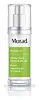 Key Ingredients
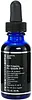
Benefits
Concerns
Ingredients Side-by-side
Water
Skin ConditioningCyclopentasiloxane
Emollient
Isopropyl Palmitate
Emollient


C14-22 Alcohols
Emulsion Stabilising
Polymethylsilsesquioxane
Dimethicone
Emollient
Propanediol
Solvent

Glyceryl Stearate
Emollient
PEG-100 Stearate
Shea Butter Ethyl Esters
Emollient
Retinol
Skin Conditioning








Hydroxypinacolone Retinoate
Skin Conditioning
Ceramide NP
Skin Conditioning


Sodium Hyaluronate
Humectant
Solanum Lycopersicum Fruit Extract
Antioxidant
Swertia Chirata Extract
HumectantSqualane
Emollient
Punica Granatum Extract
AstringentTocopheryl Acetate
Antioxidant
Glycine Soja Extract
Skin ConditioningUrea
Buffering
Yeast Amino Acids
HumectantTrehalose
Humectant
Inositol
Humectant
Taurine
BufferingBetaine
Humectant
Glycerin
Humectant
Caprylic/Capric Triglyceride
Masking
Dimethyl Isosorbide
SolventSilica
Abrasive
Ethylhexyl Palmitate
Emollient
Silica Dimethyl Silylate
EmollientButylene Glycol
Humectant
Lecithin
Emollient
Ammonium Acryloyldimethyltaurate/Vp Copolymer
C12-20 Alkyl Glucoside
EmulsifyingCetyl Palmitate
Emollient
Laureth-23
Cleansing
Polysorbate 20
Emulsifying
Trideceth-6 Phosphate
EmulsifyingSynthetic Fluorphlogopite
Phenoxyethanol
Preservative
Ethylhexylglycerin
Skin ConditioningChlorphenesin
Antimicrobial
Disodium EDTA
Sodium Hydroxide
BufferingTris(Tetramethylhydroxypiperidinol)Citrate
StabilisingSodium Benzotriazolyl Butylphenol Sulfonate
UV AbsorberCI 77891
Cosmetic ColorantCI 14700
Cosmetic ColorantAlpha-Isomethyl Ionone
Perfuming



Citronellol
Perfuming
Parfum
Masking
Water, Cyclopentasiloxane, Isopropyl Palmitate, C14-22 Alcohols, Polymethylsilsesquioxane, Dimethicone, Propanediol, Glyceryl Stearate, PEG-100 Stearate, Shea Butter Ethyl Esters, Retinol, Hydroxypinacolone Retinoate, Ceramide NP, Sodium Hyaluronate, Solanum Lycopersicum Fruit Extract, Swertia Chirata Extract, Squalane, Punica Granatum Extract, Tocopheryl Acetate, Glycine Soja Extract, Urea, Yeast Amino Acids, Trehalose, Inositol, Taurine, Betaine, Glycerin, Caprylic/Capric Triglyceride, Dimethyl Isosorbide, Silica, Ethylhexyl Palmitate, Silica Dimethyl Silylate, Butylene Glycol, Lecithin, Ammonium Acryloyldimethyltaurate/Vp Copolymer, C12-20 Alkyl Glucoside, Cetyl Palmitate, Laureth-23, Polysorbate 20, Trideceth-6 Phosphate, Synthetic Fluorphlogopite, Phenoxyethanol, Ethylhexylglycerin, Chlorphenesin, Disodium EDTA, Sodium Hydroxide, Tris(Tetramethylhydroxypiperidinol)Citrate, Sodium Benzotriazolyl Butylphenol Sulfonate, CI 77891, CI 14700, Alpha-Isomethyl Ionone, Citronellol, Parfum



Ingredients Explained
These ingredients are found in both products.
Ingredients higher up in an ingredient list are typically present in a larger amount.
Cyclopentasiloxane, or D5, is a silicone used to improve texture of products and trap moisture.
D5 is considered lightweight and volatile. Volatile means it evaporates quickly after application. Once evaporated, D5 leaves a thin barrier that helps keep skin hydrated.
It is also an emollient. Emollients help soften the skin and prevent water loss. Silicones create a silky texture in products. D5 helps other ingredients become more spreadable.
Studies show D5 is safe to use in skincare products. We recommend speaking with a skincare professional if you have concerns.
Learn more about CyclopentasiloxaneLecithin is a term for a group of substances found in the cell membranes of plants, animals, and humans. They are made up of phospholipids.
Thanks to its amphiphilic structure (water-loving head and oil-loving tail), it is a true multitasker:
It plays well with most ingredients and is typically used at 0.1-1%. However, concentrations up to 50% have been reported in moisturizers.
Depending on the source of this ingredient, lecithin may not be fungal acne safe. This is because some sources of lecithin come from soybean oil, which may feed the malassezia yeast that causes fungal acne.
We recommend reaching out to the brand you are purchasing from to inquire about the source of their lecithin.
Learn more about LecithinPolysorbate 20 is a gentle, water-soluble emulsifier and mild surfactant. It stops oil and water from separating to keep your formulas blended and stable.
It also acts as a mild penetration enhancer by helping active ingredients absorb slightly better.
The common safety discussion around this ingredient involves a manufacturing byproduct called 1,4-dioxane.
Trace amounts can form during production but the EU's Scientific Committee on Consumer Safety has concluded that levels at/below 10 ppm in finished products are safe (commercial products consistently fall within acceptable margins).
True allergic reactions are uncommon and the CIR Expert Panel has confirmed this ingredient to be safe as used in cosmetics.
Because it is derived from lauric acid, it may not be fungal acne safe.
Learn more about Polysorbate 20Retinol is a gold-standard ingredient for anti-aging. It is a form of Vitamin A and belongs to the class of retinoids that also includes tretinoin.
Why is retinol famous?
It has the most scientific studies backing up its skin benefits out of all the non-prescription ingredients.
Retinol is proven to:
This is why retinol is effective at removing wrinkles, fading dark spots, treating acne, and reducing the appearance of pores.
Studies show retinol is less effective when exposed to UV. Be sure to look for appropriate packaging to keep your retinol potent (similar to Vitamin C).
Using retinol or any retinoids will increase sun-sensitivity in the first few months. Though studies show retinoids increase your skin's natural SPF with continuous use, it is best to always wear sunscreen and sun-protection.
We recommend speaking with a medical professional about using this ingredient during pregnancy.
Retinol may cause irritation in some people, so be sure to patch test. Experts recommend 'ramping up' retinol use: start using this ingredient once a week and work up to using it daily.
Read about Tretinoin
Learn more about RetinolSqualane is the hydrogenated and shelf-stable form of squalene (a lipid that naturally occurs in human sebum).
It is an emollient and skin conditioning agent that is able to integrate seamlessly into the skin's lipid barrier without clogging pores.
This is due to how structurally similar it is to what your skin already produces.
Though it is mostly an emollient that helps soften and hydrate skin, it also has some humectant and occlusive action. Humectants help the skin retain moisture while occlusives seal it in, making squalane a triple-threat moisturizer.
Research shows it has antioxidant capabilities that help protect against stressors like UV exposure, specifically UVA induced oxidative stress. This study also found that it supports collagen biosynthesis in human dermal fibroblasts.
No clinical study has reported significant adverse effects and irritation reactions are very rare from this ingredient (even at 100% concentration).
Overall, it's a fantastic ingredient for hydration and is suitable for all skin types.
This depends on the source. Squalane can be derived from both plants and animals. Most squalane used in skincare comes from plants.
Please note: the source of squalane is only known if disclosed by the brand. We recommend reaching out to the brand if you have any questions about their squalane.
Read more about squalene with an "e".
Though squalane is often called an oil, it’s technically not one. It is a hydrocarbon, meaning it is only made of carbon and hydrogen. True oils are triglycerides and made of fatty acids and glycerol.
The term “oil-free” isn’t regulated so companies can define it however they want. Some exclude all oils, while others just avoid mineral oil or comedogenic oils.
Squalane has a comedogenic rating of 1 from the original 1972 study that tested raw ingredients under occlusion on rabbit ears. This system is not standardized or peer-reviewed, and using the raw ingredients is very different from how diluted cosmetic formulations are used on human skin.
A comedogenic rating of 1 means it is "unlikely to clog pores" according to the original rating system.
The overall formula of a product matters more than the individual ingredients on whether or not it will cause clogged pores.
Learn more about SqualaneTocopheryl Acetate is AKA Vitamin E. It is an antioxidant and protects your skin from free radicals. Free radicals damage the skin by breaking down collagen.
One study found using Tocopheryl Acetate with Vitamin C decreased the number of sunburned cells.
Tocopheryl Acetate is commonly found in both skincare and dietary supplements.
Learn more about Tocopheryl AcetateWater. It's the most common cosmetic ingredient of all. You'll usually see it at the top of ingredient lists, meaning that it makes up the largest part of the product.
So why is it so popular? Water most often acts as a solvent - this means that it helps dissolve other ingredients into the formulation.
You'll also recognize water as that liquid we all need to stay alive. If you see this, drink a glass of water. Remember to stay hydrated!
Learn more about Water
