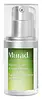
This anti-aging eye moisturizer is formulated around Retinyl Propionate and Retinol to soften the look of wrinkles and refine skin texture.
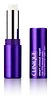
This anti-aging serum is formulated around Squalane and Hydroxypinacolone Retinoate to soften the look of wrinkles and refine skin texture.

What's inside
What's inside
 Key Ingredients
Benefits
Concerns
Ingredients Side-by-side
Water
Skin ConditioningGlycerin
Humectant


Butylene Glycol
Humectant
Imperata Cylindrica Root Extract
Skin ConditioningDimethyl Isosorbide
SolventMeadowfoam Delta-Lactone
Skin ConditioningRetinyl Propionate
Skin Conditioning


Retinol
Skin Conditioning






Swertia Chirata Leaf Extract
AstringentUrea
Buffering
Yeast Amino Acids
HumectantTrehalose
Humectant
Inositol
Humectant
Taurine
BufferingBetaine
Humectant
Fucus Vesiculosus Extract
Emollient
Glycine Soja Extract
Skin ConditioningMacrocystis Pyrifera Extract
Skin Conditioning

Isopropyl Palmitate
Emollient

Lecithin
Emollient
Pvp
Emulsion StabilisingHexylene Glycol
EmulsifyingCaprylyl Glycol
Emollient
Punica Granatum Seed Oil
Emollient
Caprylic/Capric Triglyceride
Masking
Pvm/Ma Decadiene Crosspolymer
PEG-8
HumectantCarbomer
Emulsion StabilisingSodium Bisulfite
Antioxidant

Silica
Abrasive
Sodium Hydroxide
BufferingChlorphenesin
Antimicrobial
Phenoxyethanol
Preservative
Parfum
Masking

CI 77891
Cosmetic ColorantSynthetic Fluorphlogopite
CI 14700
Cosmetic ColorantCI 19140
Cosmetic ColorantWater, Glycerin, Butylene Glycol, Imperata Cylindrica Root Extract, Dimethyl Isosorbide, Meadowfoam Delta-Lactone, Retinyl Propionate, Retinol, Swertia Chirata Leaf Extract, Urea, Yeast Amino Acids, Trehalose, Inositol, Taurine, Betaine, Fucus Vesiculosus Extract, Glycine Soja Extract, Macrocystis Pyrifera Extract, Isopropyl Palmitate, Lecithin, Pvp, Hexylene Glycol, Caprylyl Glycol, Punica Granatum Seed Oil, Caprylic/Capric Triglyceride, Pvm/Ma Decadiene Crosspolymer, PEG-8, Carbomer, Sodium Bisulfite, Silica, Sodium Hydroxide, Chlorphenesin, Phenoxyethanol, Parfum, CI 77891, Synthetic Fluorphlogopite, CI 14700, CI 19140
Glyceryl Triacetyl Ricinoleate
Emollient
Bis-Diglyceryl Polyacyladipate-2
Emollient
Hydrogenated Polyisobutene
EmollientSynthetic Beeswax
Emulsion Stabilising
Squalane
Emollient
Diisostearyl Malate
EmollientJojoba Esters
Emollient
C10-18 Triglycerides
Emollient
Helianthus Annuus Seed Wax
Skin Conditioning
Oryza Sativa Bran Wax
Skin Conditioning
Butyrospermum Parkii Butter
Skin Conditioning
Silica
Abrasive
Mangifera Indica Seed Butter
Skin Conditioning
Sodium Hyaluronate
Humectant

Tocopherol
Antioxidant
Ricinus Communis Seed Oil
Masking
Hydrogenated Castor Oil
Emollient
Caprylyl Glycol
Emollient
Hydroxypinacolone Retinoate
Skin Conditioning
Glyceryl Distearate
Emollient
Dimethyl Isosorbide
SolventMica
Cosmetic ColorantGlyceryl Triacetyl Ricinoleate, Bis-Diglyceryl Polyacyladipate-2, Hydrogenated Polyisobutene, Synthetic Beeswax, Squalane, Diisostearyl Malate, Jojoba Esters, C10-18 Triglycerides, Helianthus Annuus Seed Wax, Oryza Sativa Bran Wax, Butyrospermum Parkii Butter, Silica, Mangifera Indica Seed Butter, Sodium Hyaluronate, Tocopherol, Ricinus Communis Seed Oil, Hydrogenated Castor Oil, Caprylyl Glycol, Hydroxypinacolone Retinoate, Glyceryl Distearate, Dimethyl Isosorbide, Mica
Ingredients Explained
These ingredients are found in both products.
Ingredients higher up in an ingredient list are typically present in a larger amount.
Caprylyl Glycol is a humectant, skin conditioner, emollient, and preservative booster derived from either caprylic acid or synthetically created.
Typical use levels vary from 0.3-1% as a preservative booster and go up to 2% to condition skin.
Because it is not a free-fatty acid, this ingredient is fungal acne safe (there's nothing for Malassezia to feed on).
Learn more about Caprylyl GlycolDimethyl Isosorbide (often shortened to DMI) is a sugar-derived solvent made from sorbitol. It's used to dissolve tricky ingredients and help them mix smoothly into a formula.
Many actives sit as gritty crystals when undissolved, so DMI swoops in to full dissolve them. This helps improve texture, stability, and how evenly an active is distributed.
It does have a penetration-enhancing reputation that is a bit more nuanced than marketing suggests; a cell study on human skin found that 10% DMI didn't significantly boost the permeation of Hydroquinone, Salicylic Acid, or Octadecenedioic Acid compared to controls (though it did improve their solubility in the formula itself).
Typical usage concentrations usually range from 1-10% depending on the formula's needs; this ingredient is also well tolerated at these levels.
Learn more about Dimethyl IsosorbideSilica, also known as silicon dioxide, is a naturally occurring mineral. It is used as a fine, spherical, and porous powder in cosmetics.
Though it has exfoliant properties, the function of silica varies depending on the product.
The unique structure of silica enhances the spreadability and adds smoothness, making it a great texture enhancer.
It is also used as an active carrier, emulsifier, and mattifier due to its ability to absorb excess oil.
In some products, tiny microneedles called spicules are made from silica or hydrolyzed sponge. When you rub them in, they lightly polish away dead skin layers and enhance the penetration of active ingredients.
Learn more about Silica

