This hydrating lip mask is formulated around Ricinus Communis Seed Oil and Rosa Canina Fruit Oil to hydrate lips and strengthen the lip barrier.
This hydrating lip mask is formulated around Butyrospermum Parkii Butter to hydrate lips and strengthen the lip barrier.

What's inside
What's inside
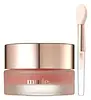 Key Ingredients
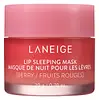
Benefits
Concerns
Ingredients Side-by-side
Hydrogenated Polyisobutene
EmollientPolyisobutene
Phytosteryl/Isostearyl/Cetyl/Stearyl/Behenyl Dimer Dilinoleate
Skin Conditioning

Ricinus Communis Seed Oil
Masking


Diisostearyl Malate
EmollientOctyldodecanol
Emollient
Synthetic Wax
Abrasive

Euphorbia Cerifera Wax
Ethylene/Propylene/Styrene Copolymer
Ethylene/Propylene Copolymer
Abrasive
Microcrystalline Wax
Emulsion Stabilising1,2-Hexanediol
Skin Conditioning
Caprylyl Glycol
Emollient
Dextrin Palmitate
Emulsifying
Butylene/Ethylene/Styrene Copolymer
Pentaerythrityl Tetra-Di-T-Butyl Hydroxyhydrocinnamate
Antioxidant
Ethylhexylglycerin
Skin ConditioningBenzotriazolyl Dodecyl P-Cresol
UV AbsorberCI 77491
Cosmetic ColorantWater
Skin ConditioningCaprylic/Capric Triglyceride
Masking

Rosa Canina Fruit Oil
Emollient
Shorea Robusta Seed Butter
Emollient
Lactobacillus Ferment Lysate
Skin Conditioning
Butylene Glycol
Humectant
Camellia Japonica Seed Oil
Emollient
Rosa Centifolia Flower Extract
Astringent
Glycine
Buffering
Serine
Masking
Glutamic Acid
Humectant
Hippophae Rhamnoides Oil
Emollient
Aspartic Acid
Masking
Leucine
Skin ConditioningAlanine
Masking
Lysine
Skin ConditioningCitrus Aurantifolia Flower Extract
AstringentArginine
Masking
Tyrosine
MaskingPhenylalanine
Masking
Proline
Skin Conditioning
Prunus Persica Flower Extract
MoisturisingThreonine
Valine
MaskingIsoleucine
Skin ConditioningPyrus Malus Flower Extract
Skin ConditioningHistidine
Humectant
Cysteine
Antioxidant
Methionine
Skin ConditioningHydrolyzed Collagen
Emollient
Acetyl Hexapeptide-8
Humectant
Citrus Aurantium Dulcis Flower Extract
Skin ConditioningPunica Granatum Flower Extract
Skin Conditioning
Hydrogenated Polyisobutene, Polyisobutene, Phytosteryl/Isostearyl/Cetyl/Stearyl/Behenyl Dimer Dilinoleate, Ricinus Communis Seed Oil, Diisostearyl Malate, Octyldodecanol, Synthetic Wax, Euphorbia Cerifera Wax, Ethylene/Propylene/Styrene Copolymer, Ethylene/Propylene Copolymer, Microcrystalline Wax, 1,2-Hexanediol, Caprylyl Glycol, Dextrin Palmitate, Butylene/Ethylene/Styrene Copolymer, Pentaerythrityl Tetra-Di-T-Butyl Hydroxyhydrocinnamate, Ethylhexylglycerin, Benzotriazolyl Dodecyl P-Cresol, CI 77491, Water, Caprylic/Capric Triglyceride, Rosa Canina Fruit Oil, Shorea Robusta Seed Butter, Lactobacillus Ferment Lysate, Butylene Glycol, Camellia Japonica Seed Oil, Rosa Centifolia Flower Extract, Glycine, Serine, Glutamic Acid, Hippophae Rhamnoides Oil, Aspartic Acid, Leucine, Alanine, Lysine, Citrus Aurantifolia Flower Extract, Arginine, Tyrosine, Phenylalanine, Proline, Prunus Persica Flower Extract, Threonine, Valine, Isoleucine, Pyrus Malus Flower Extract, Histidine, Cysteine, Methionine, Hydrolyzed Collagen, Acetyl Hexapeptide-8, Citrus Aurantium Dulcis Flower Extract, Punica Granatum Flower Extract
Diisostearyl Malate
EmollientHydrogenated Polyisobutene
EmollientPhytosteryl/Isostearyl/Cetyl/Stearyl/Behenyl Dimer Dilinoleate
Skin Conditioning
Hydrogenated Poly(C6-14 Olefin)
EmollientPolybutene
Cera Microcristallina
Emulsion StabilisingButyrospermum Parkii Butter
Skin Conditioning

Synthetic Wax
Abrasive
Ethylene/Propylene/Styrene Copolymer
Sucrose Tetrastearate Triacetate
Emollient
Mica
Cosmetic ColorantEuphorbia Cerifera Cera
Astringent
Candelilla Wax Esters
Astrocaryum Murumuru Seed Butter
Emollient
CI 77891
Cosmetic ColorantParfum
Masking

Glyceryl Caprylate
EmollientPolyglyceryl-2 Diisostearate
Emulsifying
Butylene/Ethylene/Styrene Copolymer
Copernicia Cerifera Cera
Emollient
Methicone
Emollient
Polyglyceryl-2 Triisostearate
Emulsifying
Cocos Nucifera Oil
Masking
CI 15985
Cosmetic ColorantPentaerythrityl Tetra-Di-T-Butyl Hydroxyhydrocinnamate
Antioxidant
CI 15850
Cosmetic ColorantAscorbic Acid
Antioxidant



Water
Skin ConditioningGlycerin
Humectant
Propanediol
Solvent
BHT
Antioxidant
Punica Granatum Fruit Juice
MaskingRubus Idaeus Juice
AstringentVitis Vinifera Juice
Antioxidant
Diisostearyl Malate, Hydrogenated Polyisobutene, Phytosteryl/Isostearyl/Cetyl/Stearyl/Behenyl Dimer Dilinoleate, Hydrogenated Poly(C6-14 Olefin), Polybutene, Cera Microcristallina, Butyrospermum Parkii Butter, Synthetic Wax, Ethylene/Propylene/Styrene Copolymer, Sucrose Tetrastearate Triacetate, Mica, Euphorbia Cerifera Cera, Candelilla Wax Esters, Astrocaryum Murumuru Seed Butter, CI 77891, Parfum, Glyceryl Caprylate, Polyglyceryl-2 Diisostearate, Butylene/Ethylene/Styrene Copolymer, Copernicia Cerifera Cera, Methicone, Polyglyceryl-2 Triisostearate, Cocos Nucifera Oil, CI 15985, Pentaerythrityl Tetra-Di-T-Butyl Hydroxyhydrocinnamate, CI 15850, Ascorbic Acid, Water, Glycerin, Propanediol, BHT, Punica Granatum Fruit Juice, Rubus Idaeus Juice, Vitis Vinifera Juice
Reviews
Ingredients Explained
These ingredients are found in both products.
Ingredients higher up in an ingredient list are typically present in a larger amount.
This ingredient is a high-molecular weight synthetic polymer. It is used to modify the viscosity of a formula, improve slip, and create a more "cushiony" texture.
Due to its large molecular size, this ingredient is not absorbed into the skin.
Diisostearyl Malate is an emollient and most often used in lip products. It comes from isostearyl alcohol, a fatty acid, and malic acid, an AHA.
As an emollient, Diisostearyl Malate helps create a thin film on your skin to trap moisture in. This helps keep your skin soft and smooth.
This is a synthetic polymer used to thicken formulas, improve texture, and enhance spreadability.
Due to its large molecule size, this ingredient does not penetrate the skin and is considered well-tolerated.
Hydrogenated Polyisobutene is a synthetic polymer. Polymers are compounds with high molecular weight. Hydrogenated Polyisobutene is an emollient and texture enhancer.
In one study, Hydrogenated Polyisobutene showed better skin hydration levels than Caprylic/Capric Triglyceride. As an emollient, it helps keep your skin soft and hydrated by trapping moisture in.
Hydrogenated Polyisobutene is often used as a mineral oil replacement.
Learn more about Hydrogenated PolyisobutenePentaerythrityl Tetra-Di-T-Butyl Hydroxyhydrocinnamate (long name, huh?) is a synthetic antioxidant.
It is used to help stabilize other antioxidants or prevent the color from changing in a product.
As an antioxidant, it helps fight free-radical molecules. Free-radical molecules are capable of damaging our cells and other genetic material. Thus, antioxidants may reduce the signs of aging.
This ingredient is oil-soluble.
Learn more about Pentaerythrityl Tetra-Di-T-Butyl HydroxyhydrocinnamateThis is a plant-derived ester that functions as a skin conditioner. It's basically a two linoleic acid molecules combined with fatty alcohols.
In practice, it works as a rich emollient that helps reduce moisture loss and give skin a soft appearance.
The phytosterol part of this ingredient brings an added structural bonus: phytosterols are structurally similar to cholesterol so they can fit right into the stratum corneum's lipid matrix to help reinforce the skin barrier.
Due to its molecular structure, this ingredient delivers a cushiony and glossy feeling without being excessively greasy.
It did not produce skin irritation or sensitization in clinical studies, and this ingredient is deemed safe to use in cosmetics at current practices.
Because this ingredient contains C16, C18, and C22 fatty chains, it may not be Malassezia/fungal acne safe. The Malassezia yeast potentially feeds on fatty acids in the C11-C24 range.
Learn more about Phytosteryl/Isostearyl/Cetyl/Stearyl/Behenyl Dimer DilinoleateSynthetic Wax is a manufactured hydrocarbon wax. In formulas, it works as an occlusive emollient that helps reduce water loss and improves the spreadability of products.
Research comparing synthetic wax to traditional mineral-derived products found that formulas containing it perform as well for skin hydration.
It is considered non-comedogenic and vegan-friendly.
This ingredient has a well-established safety record by the CIR Expert Panel for Cosmetic Ingredient Safety.
Synthetic Waxes are straight/branched-chain hydrocarbons with no ester bond or fatty acids. That means there is nothing for the Malassezia yeast to feed on.
Learn more about Synthetic WaxWater. It's the most common cosmetic ingredient of all. You'll usually see it at the top of ingredient lists, meaning that it makes up the largest part of the product.
So why is it so popular? Water most often acts as a solvent - this means that it helps dissolve other ingredients into the formulation.
You'll also recognize water as that liquid we all need to stay alive. If you see this, drink a glass of water. Remember to stay hydrated!
Learn more about Water

