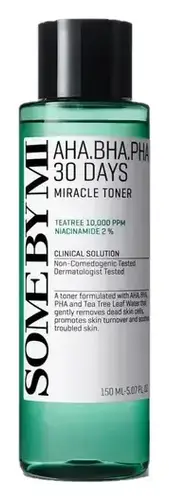
This smoothing exfoliator is formulated around Glycolic Acid and Lactic Acid to refine skin texture and brighten dull-looking skin.
This smoothing exfoliating pad uses a pre-saturated pad with Niacinamide and Glycolic Acid to refine skin texture and refine the look of pores.


What's inside
What's inside
 Key Ingredients
Benefits
Concerns
Ingredients Side-by-side
Water
Skin ConditioningGlycolic Acid
Buffering











Lactic Acid
Buffering
Sodium Hydroxide
BufferingPropanediol
Solvent

Althaea Officinalis Root Extract
Skin Conditioning
Phenethyl Alcohol
MaskingPentylene Glycol
Skin Conditioning
Caprylyl/Capryl Glucoside
CleansingSodium Cocoyl Glutamate
Cleansing
Polyglyceryl-5 Oleate
Emulsifying
Glyceryl Caprylate
EmollientSodium Hyaluronate
Humectant

Dipotassium Glycyrrhizate
Humectant
Tocopheryl Acetate
Antioxidant

Mandelic Acid
Antimicrobial
Salicylic Acid
Masking


Ascorbic Acid
Antioxidant
Panthenol
Skin Conditioning
Tetrasodium Glutamate Diacetate
ChelatingPotassium Sorbate
Preservative
Citric Acid
Buffering
Water, Glycolic Acid, Lactic Acid, Sodium Hydroxide, Propanediol, Althaea Officinalis Root Extract, Phenethyl Alcohol, Pentylene Glycol, Caprylyl/Capryl Glucoside, Sodium Cocoyl Glutamate, Polyglyceryl-5 Oleate, Glyceryl Caprylate, Sodium Hyaluronate, Dipotassium Glycyrrhizate, Tocopheryl Acetate, Mandelic Acid, Salicylic Acid, Ascorbic Acid, Panthenol, Tetrasodium Glutamate Diacetate, Potassium Sorbate, Citric Acid
Triticum Vulgare Seed Extract
BufferingMalva Sylvestris Leaf Water
Skin ConditioningButylene Glycol
Humectant
Dipropylene Glycol
HumectantGlycerin
Humectant
Niacinamide
Smoothing
Water
Skin ConditioningEthylhexylglycerin
Skin ConditioningCaprylyl Glycol
Emollient
Betaine
Humectant
Cellulose Gum
Emulsion StabilisingVinegar
Citric Acid
Buffering
Adenosine
Skin Conditioning
Disodium EDTA
ChelatingSalix Alba Bark Extract
Astringent
Cupressus Sempervirens Leaf Extract
Perfuming
Origanum Vulgare Leaf Extract
Skin ConditioningBacillus/Soybean Ferment Extract
Skin ConditioningBeta Vulgaris Root Extract
Skin ConditioningBetula Alba Bark Extract
Masking
Gold
Cosmetic ColorantBetaine Salicylate
Antimicrobial
Glycolic Acid
Buffering
Laminaria Digitata Extract
Skin Protecting
Macrocystis Pyrifera Extract
Skin Conditioning
Gelidium Cartilagineum Extract
Skin ProtectingPalmaria Palmata Extract
Skin Protecting
Spirulina Platensis Extract
Skin ProtectingTromethamine
BufferingGluconolactone
Chelating
Capryloyl Salicylic Acid
Exfoliating
Caprylic/Capric Triglyceride
Masking
Hydroxydecyl Ubiquinone
Antioxidant
Polyglyceryl-10 Oleate
Skin Conditioning
Hydrogenated Lecithin
Emulsifying
Triticum Vulgare Seed Extract, Malva Sylvestris Leaf Water, Butylene Glycol, Dipropylene Glycol, Glycerin, Niacinamide, Water, Ethylhexylglycerin, Caprylyl Glycol, Betaine, Cellulose Gum, Vinegar, Citric Acid, Adenosine, Disodium EDTA, Salix Alba Bark Extract, Cupressus Sempervirens Leaf Extract, Origanum Vulgare Leaf Extract, Bacillus/Soybean Ferment Extract, Beta Vulgaris Root Extract, Betula Alba Bark Extract, Gold, Betaine Salicylate, Glycolic Acid, Laminaria Digitata Extract, Macrocystis Pyrifera Extract, Gelidium Cartilagineum Extract, Palmaria Palmata Extract, Spirulina Platensis Extract, Tromethamine, Gluconolactone, Capryloyl Salicylic Acid, Caprylic/Capric Triglyceride, Hydroxydecyl Ubiquinone, Polyglyceryl-10 Oleate, Hydrogenated Lecithin
Ingredients Explained
These ingredients are found in both products.
Ingredients higher up in an ingredient list are typically present in a larger amount.
Citric Acid is an alpha hydroxy acid (AHA) naturally found in citrus fruits like oranges, lemons, and limes.
Like other AHAs, citric acid can exfoliate skin by breaking down the bonds that hold dead skin cells together. This helps reveal smoother and brighter skin underneath.
However, this exfoliating effect only happens at high concentrations (20%) which can be hard to find in cosmetic products.
Due to this, citric acid is usually included in small amounts as a pH adjuster. This helps keep products slightly more acidic and compatible with skin's natural pH.
In skincare formulas, citric acid can:
While it can provide some skin benefits, research shows lactic acid and glycolic acid are generally more effective and less irritating exfoliants.
Most citric acid used in skincare today is made by fermenting sugars (usually from molasses). This synthetic version is identical to the natural citrus form but easier to stabilize and use in formulations.
Rosacea skin has a lower threshold for acids generally, with 62.5% of rosacea subjects in one study reacting to lactic acid in a sting test. This is why we mark citric acid as a potential rosacea trigger.
However, this ingredient shows up as a pH adjuster or chelator at roughly 0.1-1% in many products. These low levels are unlikely to be an issue for rosacea skin and becomes a potential trigger at exfoliating concentrations (20%). Because everybody's skin is unique, we recommend a patch test if you are unsure.
Learn more about Citric AcidGlycolic Acid is arguably the most famous alpha hydroxy acid (AHA) with tons of research backing its benefits.
It is found naturally in sugar cane but the form used in skincare is usually synthetic for purity and stability.
Glycolic acid removes the top layer of dead skin cells to allow newer and fresher ones to emerge.
AHAs work by breaking down the structural “glue” that holds old skin cells in place. When that buildup is gone, your skin can renew itself more efficiently.
Research also shows glycolic acid stimulates collagen production, helping to firm and thicken the skin over time. This is one of its biggest advantages over other AHAs.
Overall, glycolic acid helps with:
Fun fact: Glycolic acid boosts skin hydration by helping it produce molecules that increase hyaluronic acid naturally.
To work best, glycolic acid products should have a pH between 3-4 (that’s where exfoliation is most effective but still gentle on skin).
The pH and concentration of a product are key to its effectiveness:
It is normal to feel a slight stinging sensation when using glycolic acid. This usually fades as your skin adjusts.
Because glycolic acid has the smallest molecular size in the AHA family, it can penetrate deeper, which enhances its effectiveness but also makes it more likely to irritate sensitive skin.
If your skin is very sensitive or prone to rosacea, glycolic acid may be too strong; in that case, try milder options like lactic acid or a PHA instead.
Recent studies suggest glycolic acid might even help protect against UV damage. But don’t skip sunscreen! Freshly exfoliated skin is more sensitive to the sun.
Glycolic acid is a skincare superstar. It smooths, brightens, hydrates, and firms the skin. Unless you’re highly sensitive, it’s well worth adding to your routine.
Read more about some other popular AHA's here:
Learn more about Glycolic AcidWater. It's the most common cosmetic ingredient of all. You'll usually see it at the top of ingredient lists, meaning that it makes up the largest part of the product.
So why is it so popular? Water most often acts as a solvent - this means that it helps dissolve other ingredients into the formulation.
You'll also recognize water as that liquid we all need to stay alive. If you see this, drink a glass of water. Remember to stay hydrated!
Learn more about Water