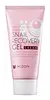
This calming moisturizer is formulated around Snail Secretion Filtrate and Copper Tripeptide-1 to calm redness and strengthen the skin barrier.
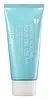
This brightening moisturizer is formulated around Niacinamide and Sodium Hyaluronate to brighten dull-looking skin and hydrate skin.

What's inside
What's inside
 Key Ingredients
Benefits
Concerns
Ingredients Side-by-side
Snail Secretion Filtrate
Skin Conditioning





Butylene Glycol
Humectant
Cyclopentasiloxane
Emollient
Glycerin
Humectant
Bis-PEG-18 Methyl Ether Dimethyl Silane
EmollientPolysorbate 20
Emulsifying

Sodium Hyaluronate
Humectant

Carbomer
Emulsion StabilisingGlycosyl Trehalose
Emulsion StabilisingHydrogenated Starch Hydrolysate
HumectantTriethanolamine
BufferingDimethicone/Vinyl Dimethicone Crosspolymer
Skin Conditioning
Dimethicone
Emollient
Hydroxyethylcellulose
Emulsion StabilisingCaprylyl Glycol
Emollient
Ethylhexylglycerin
Skin ConditioningSodium Polyacrylate
Absorbent
Centella Asiatica Extract
Cleansing
Portulaca Oleracea Extract
Skin Conditioning
Camellia Sinensis Leaf Extract
Antimicrobial



Nelumbo Nucifera Flower Extract
Skin ConditioningBetula Platyphylla Japonica Juice
Skin Conditioning
Tropolone
Skin ConditioningCopper Tripeptide-1
Skin Conditioning
Allantoin
Skin Conditioning
Panthenol
Skin Conditioning
Olea Europaea Fruit Oil
Masking



Helianthus Annuus Seed Oil
Emollient
Palmitoyl Pentapeptide-4
Skin Conditioning
Adenosine
Skin Conditioning
Disodium EDTA
ChelatingSnail Secretion Filtrate, Butylene Glycol, Cyclopentasiloxane, Glycerin, Bis-PEG-18 Methyl Ether Dimethyl Silane, Polysorbate 20, Sodium Hyaluronate, Carbomer, Glycosyl Trehalose, Hydrogenated Starch Hydrolysate, Triethanolamine, Dimethicone/Vinyl Dimethicone Crosspolymer, Dimethicone, Hydroxyethylcellulose, Caprylyl Glycol, Ethylhexylglycerin, Sodium Polyacrylate, Centella Asiatica Extract, Portulaca Oleracea Extract, Camellia Sinensis Leaf Extract, Nelumbo Nucifera Flower Extract, Betula Platyphylla Japonica Juice, Tropolone, Copper Tripeptide-1, Allantoin, Panthenol, Olea Europaea Fruit Oil, Helianthus Annuus Seed Oil, Palmitoyl Pentapeptide-4, Adenosine, Disodium EDTA
Water
Skin ConditioningCyclomethicone
Emollient
Alcohol
Antimicrobial


Butylene Glycol
Humectant
Niacinamide
Smoothing


Glycerin
Humectant
Cyclopentasiloxane
Emollient
Dimethicone Crosspolymer
Emulsion Stabilising
Trehalose
Humectant
Sodium Hyaluronate
Humectant
Polysorbate 20
Emulsifying
Triethanolamine
BufferingCarbomer
Emulsion StabilisingBis-PEG-18 Methyl Ether Dimethyl Silane
EmollientXanthan Gum
EmulsifyingLecithin
Emollient
Ursolic Acid
MaskingAtelocollagen
Skin Conditioning
Sodium Chondroitin Sulfate
Skin ConditioningHamamelis Virginiana Leaf Extract
Skin Conditioning
Citrullus Lanatus Fruit Extract
Skin Conditioning
Ocimum Basilicum Leaf Extract
Skin ConditioningNelumbo Nucifera Flower Extract
Skin ConditioningSea Water
HumectantBetula Platyphylla Japonica Juice
Skin Conditioning
Hydrolyzed Corallina Officinalis Extract
Skin ConditioningHoney Extract
Humectant
Biosaccharide Gum-1
Humectant
Sodium PCA
Humectant
Betaine
Humectant
Sorbitol
Humectant
Glycine
Buffering
Alanine
Masking
Proline
Skin Conditioning
Serine
Masking
Threonine
Arginine
Masking
Lysine
Skin ConditioningGlutamic Acid
Humectant
Olea Europaea Fruit Oil
Masking
Glycyrrhiza Glabra Root Extract
Bleaching
Broussonetia Kazinoki Callus Culture Extract
Skin ConditioningDisodium EDTA
ChelatingCaprylyl Glycol
Emollient
Ethylhexylglycerin
Skin ConditioningTropolone
Skin ConditioningCI 19140
Cosmetic ColorantCI 42090
Cosmetic ColorantParfum
Masking
Water, Cyclomethicone, Alcohol, Butylene Glycol, Niacinamide, Glycerin, Cyclopentasiloxane, Dimethicone Crosspolymer, Trehalose, Sodium Hyaluronate, Polysorbate 20, Triethanolamine, Carbomer, Bis-PEG-18 Methyl Ether Dimethyl Silane, Xanthan Gum, Lecithin, Ursolic Acid, Atelocollagen, Sodium Chondroitin Sulfate, Hamamelis Virginiana Leaf Extract, Citrullus Lanatus Fruit Extract, Ocimum Basilicum Leaf Extract, Nelumbo Nucifera Flower Extract, Sea Water, Betula Platyphylla Japonica Juice, Hydrolyzed Corallina Officinalis Extract, Honey Extract, Biosaccharide Gum-1, Sodium PCA, Betaine, Sorbitol, Glycine, Alanine, Proline, Serine, Threonine, Arginine, Lysine, Glutamic Acid, Olea Europaea Fruit Oil, Glycyrrhiza Glabra Root Extract, Broussonetia Kazinoki Callus Culture Extract, Disodium EDTA, Caprylyl Glycol, Ethylhexylglycerin, Tropolone, CI 19140, CI 42090, Parfum
Ingredients Explained
These ingredients are found in both products.
Ingredients higher up in an ingredient list are typically present in a larger amount.
Betula Platyphylla Japonica Juice is the sap of the Asian White Birch tree. Birch juice has antioxidant, hydrating, and soothing properties.
The high content of amino acids, sugars, and minerals provide the skin with moisture. On top of that, it contains Vitamins C and B (niacinamide). These two superstar ingredients protect your skin while reducing dark spots.
This white birch is currently being studied for potential anti-cancer properties. It has been used in traditional Asian medicine to help treat infections.
Learn more about Betula Platyphylla Japonica JuiceBis-Peg-18 Methyl Ether Dimethyl Silane belongs to the siloxanes and silicones classes. It is synthetically created and has a waxy composition.
This ingredient is a humectant and emollient, meaning it helps hydrate the skin. Humectants draw moisture to your skin, while emollients prevent moisture from escaping.
Butylene Glycol (or BG) is used within cosmetic products for a few different reasons:
Overall, Butylene Glycol is a safe and well-rounded ingredient that works well with other ingredients.
Though this ingredient works well with most skin types, some people with sensitive skin may experience a reaction such as allergic rashes, closed comedones, or itchiness.
Learn more about Butylene GlycolCaprylyl Glycol is a humectant, skin conditioner, emollient, and preservative booster derived from either caprylic acid or synthetically created.
Typical use levels vary from 0.3-1% as a preservative booster and go up to 2% to condition skin.
Because it is not a free-fatty acid, this ingredient is fungal acne safe (there's nothing for Malassezia to feed on).
Learn more about Caprylyl GlycolCarbomer is a synthetic thickening and gelling agent. It's basically the ingredient that gives a lot of serums, gels, creams, and sunscreens their smooth, non-sticky texture.
Although legally permitted at very high levels, carbomers are normally used at concentrations below 1%.
It also needs to be neutralized to actually thicken, and because it is a large molecule, it doesn't really penetrate the skin barrier.
Allergy-wise, the risk is very low. Clinical studies show carbomers have low potential for skin irritation/sensitization even at concentrations up to 100%.
A 2024 UK study patch-tested 1,302 patients and found true allergy to the parent group of carbomer to be rare with no confirmed relevant reactions.
Learn more about CarbomerCyclopentasiloxane (D5) is a lightweight silicone that mostly acts as an emollient and solvent in cosmetics. Its the reason your products feel silky, fast-spreading, and non-greasy.
Since D5 is volatile, it does its thing and then evaporates off the skin quickly.
The safety profile of this ingredient is reassuring; the US CIR Expert Panel concluded D5 is safe as used in cosmetics and Health Canada concluded that D5 is not harmful to human health or the environment as currently used in cosmetics
There's a study that people mention about D5 in a rat study showing tumors. This study is related to long-term inhalation of high D5 levels.
Regulatory bodies have judged this study to be not applicable in topical skincare since skin absorption of D5 is very low and we're not really inhaling huge amounts of D5.
The only restriction for this ingredient is environmental. The European Chemicals Agency (ECHA) restricted D5 in wash-off cosmetics at or above 0.1% due to their persistence in water.
Learn more about CyclopentasiloxaneDisodium EDTA is a chelating agent. It grabs onto and deactivates metal ions that sneak into your products from water, packaging, or air.
This ingredient mainly works behind the scenes and helps with:
On top of that, this ingredient can counteract the effects of hard water by binding to the minerals in it.
One thing worth knowing is that Disodium EDTA has been shown to be a mild penetration enhancer. It can help other ingredients absorb into skin more effectively which can be a double-edged sword (great for actives, but can also make the active too strong if you have sensitive skin).
Clinical patch testing showed no significant skin irritation at typical use concentrations and minimal dermal absorption.
You'll most likely see this ingredient near the end of an ingredient list. It's typically found in concentrations less than 1%.
Learn more about Disodium EDTAEthylhexylglycerin is created from glycerin. It is a multitasker ingredient that:
The CIR Expert Panel found minimal skin absorption or sensitization of any kind in a safety assessment. Though this ingredient is considered well-tolerated, a small number of cases of allergic dermatitis have been published since 2002. Just be sure to patch test if you are unsure.
Industry-reported use ranges from 8% in rinse-off products and 2% in leave-on formulations.
Learn more about EthylhexylglycerinGlycerin (or glycerol) is a compound naturally found in your skin. It's a powerhouse humectant that pulls water into the stratum corneum.
Topically, glycerin does several things at once:
Your skin makes glycerin on its own (mostly from sebaceous oil breakdown) and shuttles it to your outermost layer of skin, or your epidermis, via aquaporin-3.
Aquaporin-3 is a transporter that is essential for normal skin hydration, elasticity, and repair. Interestingly, mice lacking in AQP3 have dry and less elastic skin that can be fully corrected with glycerin.
This ingredient is non-irritating, plays well with almost every ingredient, and works across all skin types. Typical use is anywhere between 3-10% but can go up to 79% in some leave-on products.
Just know very high concentrations (>40%) can feel tacky in low humidity.
Glycerin is the name for this ingredient in American English. British English uses Glycerol/Glycerine.
Learn more about GlycerinNelumbo Nucifera Flower Extract is also known as Lotus Flower Extract and it's mainly valued as an antioxidant + soothing ingredient for skincare.
It's rich in polyphenols and flavonoids that protect skin against radical damage from UV rays and pollution.
Lab studies on human skin show it calms inflammation by reducing inflammatory signals in skin cells without causing cell damage.
Cell and formulation studies also point to whitening/brightening + anti-wrinkle effects; the extracts from the leaf, seed, and flower showed measurable elastase (wrinkle-related enzyme) and tyrosinase (pigment related enzyme) inhibition.
A cream containing lotus extract also no significant irritation and stayed stable over a month of storage.
Typical usage in cosmetics is usually on the lower end (~0.5-5%) depending on the formula.
Allergy-wise, this ingredient is considered low risk and often included in products made for sensitive/irritated skin. But like any plant extract, it carries a small possibility of contact allergy in people sensitive to plant extracts.
Learn more about Nelumbo Nucifera Flower ExtractThis ingredient is also known as olive oil. It has been used in skincare for centuries and science largely backs up its reputation as a nourishing emollient.
The main components of olive oil are oleic acid (55-83%), linoleic acid (3.5-20%), and palmitic acid (7-20%). Oleic acid promotes skin regeneration and helps regulate inflammatory responses.
Squalene is also naturally present in olive oil and exhibits moisturizing and antioxidant properties.
The polyphenols in olive oil also show anti-aging promise; one clinical study found a measurable improvement in skin appearance after 30 days of topical serum use.
Just be aware that applying olive oil directly to skin can weaken the barrier and cause redness. One study with volunteers found even people without sensitive skin experienced a significant reduction in stratum corneum integrity and induced mild erythema.
It's best to use this ingredient as part of a carefully crafted formula (instead of putting it on skin directly from the bottle).
Because it has a 0-2 on the comedogenic scale, it is low risk for acne-prone skin. Just remember the overall formulation of a product matters more than a few ingredients with comedogenic ratings.
This ingredient may not be fungal acne safe because of the oleic and palmitic acid content. These fall within the C11-24 fatty acid range that the Malassezia yeast can metabolize to grow.
Overall, olive oil is a well-studied and nourishing skincare ingredient.
Learn more about Olea Europaea Fruit OilPolysorbate 20 is a gentle, water-soluble emulsifier and mild surfactant. It stops oil and water from separating to keep your formulas blended and stable.
It also acts as a mild penetration enhancer by helping active ingredients absorb slightly better.
The common safety discussion around this ingredient involves a manufacturing byproduct called 1,4-dioxane.
Trace amounts can form during production but the EU's Scientific Committee on Consumer Safety has concluded that levels at/below 10 ppm in finished products are safe (commercial products consistently fall within acceptable margins).
True allergic reactions are uncommon and the CIR Expert Panel has confirmed this ingredient to be safe as used in cosmetics.
Because it is derived from lauric acid, it may not be fungal acne safe.
Learn more about Polysorbate 20Sodium Hyaluronate is the salt form of hyaluronic acid. It is a long sugar chain that is naturally found in your skin, joints, and connective tissue that maintains hydration and elasticity.
In skincare, it works as a humectant. It pulls water from the environment and deeper layers of skin and binds it to the surface.
Interestingly, the size of the molecule affects its behavior:
Some clinical evidence links low molecular weight versions to improved wrinkle depth, elasticity, anti-inflammatory effects, and barrier repair.
Many serums use a blend of both weights so you can get surface hydration plus longer-lasting and deeper effects.
You'll typically see concentrations between 0.1-2% for this ingredient.
Learn more about Sodium HyaluronateTriethanolamine (TEA) is an emulsifier and pH adjuster. It is created using ethylene oxide and ammonia. This gives Triethanolamine a nitrogen core and a similar scent to ammonia.
As an emulsifier, it prevents ingredients from separating and enhances texture by adding volume to a product.
PH adjusters are common in cosmetic products. The pH of a product can affect the effectiveness of other ingredients. A product with a high pH may also irritate the skin.
If you are looking for the tea leaf ingredient, click here.
Learn more about TriethanolamineWe don't have a description for Tropolone yet.


