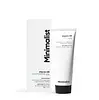
This barrier-repair moisturizer is formulated around Panthenol to strengthen the skin barrier and calm redness.
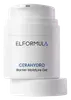
This barrier-repair moisturizer is formulated around Ectoin and Centella Asiatica Extract to strengthen the skin barrier and hydrate skin.


What's inside
What's inside
 Key Ingredients
Benefits
Concerns
No concerns
Ingredients Side-by-side
Water
Skin ConditioningPanthenol
Skin Conditioning




Cyclopentasiloxane
Emollient
Dimethicone Crosspolymer
Emulsion Stabilising
Xylitylglucoside
Humectant
Anhydroxylitol
Humectant
Xylitol
Humectant
PEG/PPG-18/18 Dimethicone
Emulsifying
Magnesium Aspartate
Skin ConditioningZinc Gluconate
Skin Conditioning



Copper Gluconate
Skin Conditioning
Betaine
Humectant
Phenoxyethanol
Preservative
Allantoin
Skin Conditioning
Pentylene Glycol
Skin Conditioning
Ethylhexylglycerin
Skin ConditioningCarbomer
Emulsion StabilisingMagnesium Sulfate
Hydroxyethyl Acrylate/Sodium Acryloyldimethyl Taurate Copolymer
Emulsion StabilisingWater, Panthenol, Cyclopentasiloxane, Dimethicone Crosspolymer, Xylitylglucoside, Anhydroxylitol, Xylitol, PEG/PPG-18/18 Dimethicone, Magnesium Aspartate, Zinc Gluconate, Copper Gluconate, Betaine, Phenoxyethanol, Allantoin, Pentylene Glycol, Ethylhexylglycerin, Carbomer, Magnesium Sulfate, Hydroxyethyl Acrylate/Sodium Acryloyldimethyl Taurate Copolymer
Water
Skin ConditioningButylene Glycol
Humectant
Glycerin
Humectant
Isononyl Isononanoate
EmollientCaprylic/Capric Triglyceride
Masking
Isododecane
EmollientCyclopentasiloxane
Emollient
1,2-Hexanediol
Skin Conditioning
Hydroxyacetophenone
Antioxidant
Cetearyl Alcohol
Emollient





Diglycerin
Humectant
Carbomer
Emulsion StabilisingPolysorbate 80
Emulsifying
Triethanolamine
BufferingEctoin
Skin Conditioning

Propylene Glycol
Humectant
Sodium Polyglutamate
HumectantSorbitan Oleate
Emulsifying
Bisabolol
Antioxidant
Sodium Hyaluronate
Humectant
Centella Asiatica Extract
Cleansing
Propanediol
Solvent
Glucose
Humectant
Hydrogenated Lecithin
Emulsifying
Polygonum Cuspidatum Root Extract
Antioxidant
Scutellaria Baicalensis Root Extract
Astringent
Hexylene Glycol
EmulsifyingStearic Acid
Cleansing
Cholesterol
Emollient
Ceramide NP
Skin Conditioning
Camellia Sinensis Leaf Extract
Antimicrobial
Glycyrrhiza Glabra Root Extract
Bleaching
Beta-Glucan
Skin Conditioning
Chamomilla Recutita Flower Extract
Masking
Rosmarinus Officinalis Leaf Extract
AntimicrobialLespedeza Capitata Leaf/Stem Extract
Skin ConditioningAvena Sativa Kernel Extract
Abrasive
Zingiber Officinale Root Extract
Masking
Water, Butylene Glycol, Glycerin, Isononyl Isononanoate, Caprylic/Capric Triglyceride, Isododecane, Cyclopentasiloxane, 1,2-Hexanediol, Hydroxyacetophenone, Cetearyl Alcohol, Diglycerin, Carbomer, Polysorbate 80, Triethanolamine, Ectoin, Propylene Glycol, Sodium Polyglutamate, Sorbitan Oleate, Bisabolol, Sodium Hyaluronate, Centella Asiatica Extract, Propanediol, Glucose, Hydrogenated Lecithin, Polygonum Cuspidatum Root Extract, Scutellaria Baicalensis Root Extract, Hexylene Glycol, Stearic Acid, Cholesterol, Ceramide NP, Camellia Sinensis Leaf Extract, Glycyrrhiza Glabra Root Extract, Beta-Glucan, Chamomilla Recutita Flower Extract, Rosmarinus Officinalis Leaf Extract, Lespedeza Capitata Leaf/Stem Extract, Avena Sativa Kernel Extract, Zingiber Officinale Root Extract
Reviews
Ingredients Explained
These ingredients are found in both products.
Ingredients higher up in an ingredient list are typically present in a larger amount.
Carbomer is a synthetic thickening and gelling agent. It's basically the ingredient that gives a lot of serums, gels, creams, and sunscreens their smooth, non-sticky texture.
Although legally permitted at very high levels, carbomers are normally used at concentrations below 1%.
It also needs to be neutralized to actually thicken, and because it is a large molecule, it doesn't really penetrate the skin barrier.
Allergy-wise, the risk is very low. Clinical studies show carbomers have low potential for skin irritation/sensitization even at concentrations up to 100%.
A 2024 UK study patch-tested 1,302 patients and found true allergy to the parent group of carbomer to be rare with no confirmed relevant reactions.
Learn more about CarbomerCyclopentasiloxane (D5) is a lightweight silicone that mostly acts as an emollient and solvent in cosmetics. Its the reason your products feel silky, fast-spreading, and non-greasy.
Since D5 is volatile, it does its thing and then evaporates off the skin quickly.
The safety profile of this ingredient is reassuring; the US CIR Expert Panel concluded D5 is safe as used in cosmetics and Health Canada concluded that D5 is not harmful to human health or the environment as currently used in cosmetics
There's a study that people mention about D5 in a rat study showing tumors. This study is related to long-term inhalation of high D5 levels.
Regulatory bodies have judged this study to be not applicable in topical skincare since skin absorption of D5 is very low and we're not really inhaling huge amounts of D5.
The only restriction for this ingredient is environmental. The European Chemicals Agency (ECHA) restricted D5 in wash-off cosmetics at or above 0.1% due to their persistence in water.
Learn more about CyclopentasiloxaneWater. It's the most common cosmetic ingredient of all. You'll usually see it at the top of ingredient lists, meaning that it makes up the largest part of the product.
So why is it so popular? Water most often acts as a solvent - this means that it helps dissolve other ingredients into the formulation.
You'll also recognize water as that liquid we all need to stay alive. If you see this, drink a glass of water. Remember to stay hydrated!
Learn more about Water


