Minimalist Vitamin B12 + NMF 03% Face Toner Versus Minimalist B12 + Repair Complex 5.5% Face Moisturizer
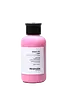
This hydrating toner is formulated around Panthenol to hydrate skin and strengthen the skin barrier.
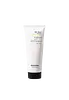
This barrier-repair moisturizer is formulated around Panthenol and Ceramide NP to strengthen the skin barrier and calm redness.

What's inside
What's inside
 Key Ingredients
Benefits
Concerns
Ingredients Side-by-side
Water
Skin ConditioningButylene Glycol
Humectant

Betaine
Humectant
Triheptanoin
Skin ConditioningPanthenol
Skin Conditioning

Trehalose
Humectant
Sodium PCA
Humectant
Serine
Masking
Sodium Lactate
Buffering
Proline
Skin Conditioning
Alanine
Masking
PCA
Humectant
Glycine
Buffering
Sodium Hyaluronate
Humectant
Cyanocobalamin
Skin ConditioningGlutamic Acid
Humectant
Lysine Hcl
Skin Conditioning
Ethylhexylglycerin
Skin ConditioningCaprylyl/Capryl Glucoside
CleansingPhenoxyethanol
Preservative
Threonine
Pentylene Glycol
Skin Conditioning
Sodium Hydroxide
BufferingSodium Polyacrylate Starch
AbsorbentAcrylates/C10-30 Alkyl Acrylate Crosspolymer
Emulsion StabilisingArginine
Masking
Allantoin
Skin Conditioning
Octyldodecyl Myristate
EmollientTrisodium Ethylenediamine Disuccinate
ChelatingBis-PEG-18 Methyl Ether Dimethyl Silane
EmollientLecithin
Emollient
Oleyl Alcohol
Emollient







Sorbitan Oleate
Emulsifying
Water, Butylene Glycol, Betaine, Triheptanoin, Panthenol, Trehalose, Sodium PCA, Serine, Sodium Lactate, Proline, Alanine, PCA, Glycine, Sodium Hyaluronate, Cyanocobalamin, Glutamic Acid, Lysine Hcl, Ethylhexylglycerin, Caprylyl/Capryl Glucoside, Phenoxyethanol, Threonine, Pentylene Glycol, Sodium Hydroxide, Sodium Polyacrylate Starch, Acrylates/C10-30 Alkyl Acrylate Crosspolymer, Arginine, Allantoin, Octyldodecyl Myristate, Trisodium Ethylenediamine Disuccinate, Bis-PEG-18 Methyl Ether Dimethyl Silane, Lecithin, Oleyl Alcohol, Sorbitan Oleate
Water
Skin ConditioningCyclopentasiloxane
Emollient
Glycerin
Humectant
Panthenol
Skin Conditioning
Hydrogenated Polyisobutene
EmollientPEG/PPG-18/18 Dimethicone
Emulsifying
Betaine
Humectant
Allantoin
Skin Conditioning
Cyanocobalamin
Skin ConditioningCeramide NP
Skin Conditioning
Dipropylene Glycol
HumectantHydrogenated Lecithin
Emulsifying
Glyceryl Stearate
Emollient
Ceramide Ns
Skin Conditioning
Ceramide As
Skin Conditioning
Ceramide Ag
Humectant
Cholesterol
Emollient
Carbomer
Emulsion StabilisingCeramide EOP
Skin Conditioning
Sucrose Distearate
Emollient
Phenoxyethanol
Preservative
Pentylene Glycol
Skin Conditioning
Dimethicone Crosspolymer
Emulsion Stabilising
Magnesium Sulfate
Hydroxyethyl Acrylate/Sodium Acryloyldimethyl Taurate Copolymer
Emulsion StabilisingEthylhexylglycerin
Skin ConditioningWater, Cyclopentasiloxane, Glycerin, Panthenol, Hydrogenated Polyisobutene, PEG/PPG-18/18 Dimethicone, Betaine, Allantoin, Cyanocobalamin, Ceramide NP, Dipropylene Glycol, Hydrogenated Lecithin, Glyceryl Stearate, Ceramide Ns, Ceramide As, Ceramide Ag, Cholesterol, Carbomer, Ceramide EOP, Sucrose Distearate, Phenoxyethanol, Pentylene Glycol, Dimethicone Crosspolymer, Magnesium Sulfate, Hydroxyethyl Acrylate/Sodium Acryloyldimethyl Taurate Copolymer, Ethylhexylglycerin
Ingredients Explained
These ingredients are found in both products.
Ingredients higher up in an ingredient list are typically present in a larger amount.
Allantoin is a soothing ingredient known for its protective and moisturizing properties; it's basically a quiet workhorse ingredient you can find in a huge range of cosmetics.
Though it can be derived from the comfrey plant, allantoin is produced synthetically for cosmetic products to ensure purity.
Research shows it can encourage your skin cells to turn over and renew by stimulating keratinocyte and fibroblast proliferation.
It also has mild keratolytic properties to help loosen and shed dead skin cells without being harsh.
Studies also suggest allantoin can help calm inflammation by dialing down some of the chemical signals your skin sends out when it is irritated.
This ingredient is typically used in the 0.1-0.5% range, and the FDA recognizes it as a skin protectant in OTC products up to 2%.
Overall, allantoin is a wonderful addition to most routines; it is stable across a wide pH range (~4-8), works well with other ingredients, and is considered non-sensitizing/non-irritating.
Fun fact: Allantoin is naturally occurring in comfrey root, beets, chamomile, and wheat sprouts. Our bodies even produce it as a byproduct of uric acid metabolism.
Learn more about AllantoinBetaine is a humectant. Like hyaluronic acid, it helps attract and retain moisture in the skin. It’s known for being gentle and for helping the skin maintain balanced hydration.
Betaine is mainly used to improve hydration and support calmer skin. It helps skin cells regulate water balance because it functions as an osmolyte.
Some studies suggest betaine may support making skin tone more even.
Fun fact: Betaine naturally exists in the skin and the body. In cosmetic products, it can be either plant-derived (most commonly from sugar beets) or synthetically produced for consistency and stability.
Betaine is also known as trimethylglycine.
Learn more about BetaineCyanocobalamin is the manufactured version of vitamin B12. It has skin soothing, antioxidant, and barrier protecting properties. Topical cyanocobalamin is used to treat skin irritation and atopic dermatitis.
Ethylhexylglycerin is created from glycerin. It is a multitasker ingredient that:
The CIR Expert Panel found minimal skin absorption or sensitization of any kind in a safety assessment. Though this ingredient is considered well-tolerated, a small number of cases of allergic dermatitis have been published since 2002. Just be sure to patch test if you are unsure.
Industry-reported use ranges from 8% in rinse-off products and 2% in leave-on formulations.
Learn more about EthylhexylglycerinPanthenol is a common ingredient that helps hydrate and soothe the skin. It is found naturally in our skin and hair.
There are two forms of panthenol: D and L.
D-panthenol is also known as dexpanthenol. Most cosmetics use dexpanthenol or a mixture of D and L-panthenol.
Panthenol is famous due to its ability to go deeper into the skin's layers. Using this ingredient has numerous pros (and no cons):
Like hyaluronic acid, panthenol is a humectant. Humectants are able to bind and hold large amounts of water to keep skin hydrated.
This ingredient works well for wound healing. It works by increasing tissue in the wound and helps close open wounds.
Once oxidized, panthenol converts to pantothenic acid. Panthothenic acid is found in all living cells.
This ingredient is also referred to as pro-vitamin B5.
Learn more about PanthenolPentylene Glycol (1,2-pentanediol) is a multitasking little diol with three main roles in a formula:
Research on alkanediols (the family pentylene glycol belongs to) show they work by disrupting microbial cell membranes. This disruption helps the primary preservative system in a product work more effectively at lower doses.
On the safety side, the Cosmetic Ingredient Review Expert Panel has concluded this ingredient to be safe as used in current cosmetic practices + concentrations.
Typical use levels in a formula run about 1-5%.
Learn more about Pentylene GlycolPhenoxyethanol is one of the most widely used preservatives in skincare (and for good reason!).
It has a large spectrum of antimicrobial activity and especially effective bacteria, yeast, and mold while only having a weak effect on your skin's natural microbiome.
On a cellular level, it disrupts the cell membranes of microbes by poking holes that make the cell leak. This shuts down the chemical reactions the microbe needs to make energy so it can no longer survive.
Another perk of this ingredient is that it stays functional across a wide pH range (3-10).
You'll often see it paired with boosters like Ethylhexylglycerin; one study showed that a 1:9 ratio of Ethylhexylglycerin to Phenoxyethanol damages bacterial membranes as effectively as doubling the Phenoxyethanol concentration on its own.
Typical use concentrations range from 0.3-1% depending on the formula, and this ingredient is capped at 1% int the EU.
Safety-wise, the fear mongering does not hold up to the evidence. The EU's Scientific Committee on Consumer Safety and FDA consider it safe as a preservative at up to 1%, including for children of all ages.
Adverse systemic effects only showed up in animal studies at exposures roughly 200x higher than what people get from cosmetics. And despite its very widespread use, this ingredient is a rare sensitizer and allergic reactions are uncommon.
Learn more about PhenoxyethanolWater. It's the most common cosmetic ingredient of all. You'll usually see it at the top of ingredient lists, meaning that it makes up the largest part of the product.
So why is it so popular? Water most often acts as a solvent - this means that it helps dissolve other ingredients into the formulation.
You'll also recognize water as that liquid we all need to stay alive. If you see this, drink a glass of water. Remember to stay hydrated!
Learn more about Water


