

What's inside
What's inside
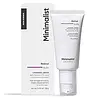 Key Ingredients
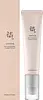
Benefits
Concerns
Ingredients Side-by-side
Water
Skin ConditioningPropanediol
Solvent

Caprylic/Capric Triglyceride
Masking
PEG-400
Emulsion StabilisingLecithin
Emollient
Propylene Glycol
Humectant

Arachidyl Alcohol
Emollient
Resveratrol
Antioxidant




Ethoxydiglycol
HumectantPhenoxyethanol
Preservative
Behenyl Alcohol
Emollient
Glycerin
Humectant
Arachidyl Glucoside
EmulsifyingPolyacrylamide
Ammonium Acryloyldimethyltaurate/Beheneth-25 Methacrylate Crosspolymer
Emulsion StabilisingHydrolyzed Sodium Hyaluronate
Skin Conditioning
Diisopropyl Sebacate
EmollientC13-14 Isoparaffin
Emollient
Retinal
Skin Conditioning






Ethylhexylglycerin
Skin ConditioningTrisodium Ethylenediamine Disuccinate
Xanthan Gum
EmulsifyingLaureth-7
EmulsifyingEthylbisiminomethylguaiacol Manganese Chloride
Antioxidant
Sclerotium Gum
Emulsion StabilisingPullulan
Tasmannia Lanceolata Fruit/Leaf Extract
Antioxidant
Sodium Citrate
BufferingCitric Acid
Buffering
Silica
Abrasive
Tocopherol
Antioxidant
Helianthus Annuus Seed Oil
Emollient

Water, Propanediol, Caprylic/Capric Triglyceride, PEG-400, Lecithin, Propylene Glycol, Arachidyl Alcohol, Resveratrol, Ethoxydiglycol, Phenoxyethanol, Behenyl Alcohol, Glycerin, Arachidyl Glucoside, Polyacrylamide, Ammonium Acryloyldimethyltaurate/Beheneth-25 Methacrylate Crosspolymer, Hydrolyzed Sodium Hyaluronate, Diisopropyl Sebacate, C13-14 Isoparaffin, Retinal, Ethylhexylglycerin, Trisodium Ethylenediamine Disuccinate, Xanthan Gum, Laureth-7, Ethylbisiminomethylguaiacol Manganese Chloride, Sclerotium Gum, Pullulan, Tasmannia Lanceolata Fruit/Leaf Extract, Sodium Citrate, Citric Acid, Silica, Tocopherol, Helianthus Annuus Seed Oil
Water
Skin ConditioningPanax Ginseng Root Extract
Emollient
Glycerin
Humectant

Dipropylene Glycol
Humectant
Caprylic/Capric Triglyceride
Masking
1,2-Hexanediol
Skin Conditioning
Pentaerythrityl Tetraethylhexanoate
Emollient
Niacinamide
Smoothing
Butylene Glycol Dicaprylate/Dicaprate
EmollientCetearyl Alcohol
Emollient
Sorbitan Olivate
Emulsifying
Cetearyl Olivate
Butylene Glycol
Humectant
Hydrogenated Lecithin
Emulsifying
Tromethamine
BufferingCarbomer
Emulsion StabilisingGlyceryl Stearate
Emollient
Macadamia Ternifolia Seed Oil
Emollient
Adenosine
Skin Conditioning
Theobroma Cacao Extract
Skin ConditioningDextrin
AbsorbentCholesterol
Emollient
Polyglyceryl-10 Oleate
Skin Conditioning
Retinal
Skin Conditioning
Brassica Campestris Sterols
EmollientPhytosteryl/Behenyl/Octyldodecyl Lauroyl Glutamate
Skin ConditioningSilica
Abrasive
Sodium Hyaluronate
Humectant
Tocopherol
Antioxidant
Aluminum/Magnesium Hydroxide Stearate
Emulsion StabilisingPotassium Cetyl Phosphate
EmulsifyingPentaerythrityl Tetra-Di-T-Butyl Hydroxyhydrocinnamate
Antioxidant
Ceramide NP
Skin Conditioning
Palmitoyl Tripeptide-5
Skin Conditioning
Disodium EDTA
Ethylhexylglycerin
Skin ConditioningWater, Panax Ginseng Root Extract, Glycerin, Dipropylene Glycol, Caprylic/Capric Triglyceride, 1,2-Hexanediol, Pentaerythrityl Tetraethylhexanoate, Niacinamide, Butylene Glycol Dicaprylate/Dicaprate, Cetearyl Alcohol, Sorbitan Olivate, Cetearyl Olivate, Butylene Glycol, Hydrogenated Lecithin, Tromethamine, Carbomer, Glyceryl Stearate, Macadamia Ternifolia Seed Oil, Adenosine, Theobroma Cacao Extract, Dextrin, Cholesterol, Polyglyceryl-10 Oleate, Retinal, Brassica Campestris Sterols, Phytosteryl/Behenyl/Octyldodecyl Lauroyl Glutamate, Silica, Sodium Hyaluronate, Tocopherol, Aluminum/Magnesium Hydroxide Stearate, Potassium Cetyl Phosphate, Pentaerythrityl Tetra-Di-T-Butyl Hydroxyhydrocinnamate, Ceramide NP, Palmitoyl Tripeptide-5, Disodium EDTA, Ethylhexylglycerin
Reviews
Ingredients Explained
These ingredients are found in both products.
Ingredients higher up in an ingredient list are typically present in a larger amount.
Caprylic/Capric Triglyceride (aka MCT Oil) is a lightweight emollient, solvent, and texture enhancer. It is considered a skin-softener by helping to prevent moisture loss.
Though it behaves like an oil, it is not technically one due to its chemical composition. One perk of this ingredient is that it is very stable, resistant to oxidation, and unlikely to go rancid.
In practice, that translates to a long shelf life and a consistently elegant skin feel.
While there is an assumption Caprylic Triglyceride can clog pores due to it being derived from coconut oil, there is no research supporting this. Just patch test if you have concerns.
Fractionated coconut oil and MCT Oil are both listed as Caprylic/Capric Triglyceride according to INCI. This is because INCI names are based on the ingredient’s final chemical composition and not its marketing name or source.
This ingredient is treated as the gold standard fungal acne safe oil. Even though it is coconut derived, the problematic lauric acid is stripped out.
This leaves just caprylic (C8) and capric (C10) acid. These chain lengths actually trend antifungal; a 2020 study found caprylic acid was enough to disrupt Malassezia furfur cell membrane, with a caprylic acid derivative damaging membrane structures at concentrations as low as 0.2%.
Learn more about Caprylic/Capric TriglycerideEthylhexylglycerin is created from glycerin. It is a multitasker ingredient that:
The CIR Expert Panel found minimal skin absorption or sensitization of any kind in a safety assessment. Though this ingredient is considered well-tolerated, a small number of cases of allergic dermatitis have been published since 2002. Just be sure to patch test if you are unsure.
Industry-reported use ranges from 8% in rinse-off products and 2% in leave-on formulations.
Learn more about EthylhexylglycerinGlycerin (or glycerol) is a compound naturally found in your skin. It's a powerhouse humectant that pulls water into the stratum corneum.
Topically, glycerin does several things at once:
Your skin makes glycerin on its own (mostly from sebaceous oil breakdown) and shuttles it to your outermost layer of skin, or your epidermis, via aquaporin-3.
Aquaporin-3 is a transporter that is essential for normal skin hydration, elasticity, and repair. Interestingly, mice lacking in AQP3 have dry and less elastic skin that can be fully corrected with glycerin.
This ingredient is non-irritating, plays well with almost every ingredient, and works across all skin types. Typical use is anywhere between 3-10% but can go up to 79% in some leave-on products.
Just know very high concentrations (>40%) can feel tacky in low humidity.
Glycerin is the name for this ingredient in American English. British English uses Glycerol/Glycerine.
Learn more about GlycerinRetinal (aka retinaldehyde) is a form of retinoid that formulators use mainly as an antiaging and skin-renewing active.
What makes it special is its position in the retinoid family; skin converts it to retinoic acid (the prescription gold standard) in just one step.
Because retinal only requires 1 conversion step to become retinoic acid, it's the strongest over-the-counter retinoid. It also works at lower concentrations than retinol, since retinal is about 10x more bioavailable.
Studies back up its efficacy in skin:
A foundational trial showed that applying 0.05-0.5% retinal for 1-3 months produced a dose-dependent and significant increase in epidermal thickness + cell turnover markers.
And a head-to-head comparison of 0.05% retinal against a 0.05% retinoid acid found both formulations were effective for the basis of wrinkle/skin roughness features, but retinoic acid caused more local irritation.
More recent controlled trials confirm it improves wrinkles, dermal density, and firmness over 12-24 weeks, with significant improvements in skin texture and firmness (particularly with the higher 0.1% concentration).
Retinal also has one trick the other retinoids do not: it directly fights against acne bacteria since a clinical study showed retinaldehyde-treated areas displayed a significant decrease in counts of viable P. acnes.
This makes it a great pick for people who want to treat aging and breakouts.
Typical cosmetic use sits in the 0.05-0.1% range with 0.05% being the gentle starting point and 0.1% giving stronger results.
Like all retinoids, retinal works best with nightly use, a good moisturizer, and daytime sunscreen. It can cause some irritation so ease into it slowly rather than going all in.
The "ramp up" method works well: start with Retinal once a week to give your skin time to adjust, which keeps irritation low.
Slowly add more nights until you reach your goal frequency once your skin feels comfortable.
Retinoids also make your skin more sensitive to the sun in the first few weeks, so wear sunscreen every morning and protect your skin from direct sun while you build up tolerance.
Learn more about RetinalSilica, also known as silicon dioxide, is a naturally occurring mineral. It is used as a fine, spherical, and porous powder in cosmetics.
Though it has exfoliant properties, the function of silica varies depending on the product.
The unique structure of silica enhances the spreadability and adds smoothness, making it a great texture enhancer.
It is also used as an active carrier, emulsifier, and mattifier due to its ability to absorb excess oil.
In some products, tiny microneedles called spicules are made from silica or hydrolyzed sponge. When you rub them in, they lightly polish away dead skin layers and enhance the penetration of active ingredients.
Learn more about SilicaTocopherol is a fat-soluble antioxidant known as Vitamin E.
You'll find this ingredient in the vast majority of skincare (for good reason). It works to neutralize free radicals, or unstable molecules generated by UV exposure, pollution, and other environmental stressors, before they can cause oxidative damage to your skin cells.
Topically applied tocopherol has been shown to protect against UV damage by ramping up the skin's own natural defense enzymes.
It also acts as a skin conditioning agent; some studies show that regular topical use can improve the skin's water-binding capacity over 2-4 weeks.
This ingredient is especially loved for being a team player. When combined with Vitamin C, the photoprotective effect of both ingredients roughly doubles and the combo also helps reduce UV-induced DNA damage.
This ingredient has some brightening potential but it's more of a prevention ingredient than spot-fader. Cell studies show it can slow down melanin production but it's worth noting that it's not the most powerful brightener out there.
In formulations, it also serves as a stabilizer that helps protect other oxidation-prone ingredients from degrading.
Concentrations usually range from 0.1-1% in most leave-on products.
Learn more about TocopherolWater. It's the most common cosmetic ingredient of all. You'll usually see it at the top of ingredient lists, meaning that it makes up the largest part of the product.
So why is it so popular? Water most often acts as a solvent - this means that it helps dissolve other ingredients into the formulation.
You'll also recognize water as that liquid we all need to stay alive. If you see this, drink a glass of water. Remember to stay hydrated!
Learn more about Water

