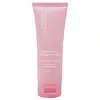
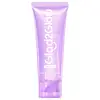
Mineral Botanica Perfect Purifying Facial Foam Versus Glad2Glow Blueberry Ceramide Low pH Gel Cleanser
This salicylic acid foaming cleanser is formulated around Salicylic Acid to clear breakouts and unclog pores.
This mild gel cleanser is made to cleanse while respecting your skin barrier.

What's inside
What's inside
 Key Ingredients
Benefits
Concerns
No concerns
Ingredients Side-by-side
Water
Skin ConditioningGlycerin
Humectant


Cocamidopropyl Betaine
Cleansing



Stearic Acid
Cleansing

Propylene Glycol
Humectant
Sodium Laureth Sulfate
Cleansing

Lauric Acid
Cleansing
Lauryl Betaine
CleansingMyristic Acid
Cleansing
Palmitic Acid
Emollient
Potassium Hydroxide
BufferingNiacinamide
Smoothing









Glycol Stearate
Emollient
Glycyrrhiza Glabra Root Extract
Bleaching
Cocamide DEA
Emulsifying
Centella Asiatica Leaf Extract
Skin Conditioning
Salicylic Acid
Masking

Ethylhexylglycerin
Skin ConditioningButylene Glycol
Humectant
Sodium Lauroyl Methylaminopropionate
CleansingAlcohol
Antimicrobial
Hydroxypropyl Methylcellulose
Emulsion StabilisingPhenoxyethanol
Preservative
Parfum
Masking

DMDM Hydantoin
Preservative
Disodium EDTA
ChelatingTriclosan
Preservative
Potassium Sorbate
Preservative
Sodium Benzoate
Masking
Sodium Chloride
MaskingWater, Glycerin, Cocamidopropyl Betaine, Stearic Acid, Propylene Glycol, Sodium Laureth Sulfate, Lauric Acid, Lauryl Betaine, Myristic Acid, Palmitic Acid, Potassium Hydroxide, Niacinamide, Glycol Stearate, Glycyrrhiza Glabra Root Extract, Cocamide DEA, Centella Asiatica Leaf Extract, Salicylic Acid, Ethylhexylglycerin, Butylene Glycol, Sodium Lauroyl Methylaminopropionate, Alcohol, Hydroxypropyl Methylcellulose, Phenoxyethanol, Parfum, DMDM Hydantoin, Disodium EDTA, Triclosan, Potassium Sorbate, Sodium Benzoate, Sodium Chloride
Water
Skin ConditioningDisodium Cocoyl Glutamate
Cleansing
Acrylates/Steareth-20 Methacrylate Crosspolymer
Sodium Cocoyl Alaninate
Surfactant
Hydrogenated Starch Hydrolysate
HumectantLauryl Hydroxysultaine
CleansingDecyl Glucoside
Cleansing
Sodium Cocoamphoacetate
CleansingDisodium Cocoamphodiacetate
CleansingCaprylyl Glycol
Emollient
Hydroxyacetophenone
Antioxidant
Sodium Cocoyl Glycinate
Cleansing
Sodium Taurine Cocoyl Methyltaurate
Cleansing
Sodium Taurine Laurate
CleansingErythritol
Humectant
Sodium Chloride
MaskingCitric Acid
Buffering
Vaccinium Angustifolium Fruit Extract
Skin Protecting
Centella Asiatica Leaf Extract
Skin Conditioning
Ceramide NP
Skin Conditioning
Ceramide Ns
Skin Conditioning
Ceramide As
Skin Conditioning
Ceramide EOP
Skin Conditioning
Ceramide AP
Skin Conditioning
Aroma
Disodium EDTA
ChelatingGlycosyl Trehalose
Emulsion StabilisingMaltodextrin
Absorbent
Glycerin
Humectant
Butylene Glycol
Humectant
Hydrogenated Lecithin
Emulsifying
Sodium Benzoate
Masking
Water, Disodium Cocoyl Glutamate, Acrylates/Steareth-20 Methacrylate Crosspolymer, Sodium Cocoyl Alaninate, Hydrogenated Starch Hydrolysate, Lauryl Hydroxysultaine, Decyl Glucoside, Sodium Cocoamphoacetate, Disodium Cocoamphodiacetate, Caprylyl Glycol, Hydroxyacetophenone, Sodium Cocoyl Glycinate, Sodium Taurine Cocoyl Methyltaurate, Sodium Taurine Laurate, Erythritol, Sodium Chloride, Citric Acid, Vaccinium Angustifolium Fruit Extract, Centella Asiatica Leaf Extract, Ceramide NP, Ceramide Ns, Ceramide As, Ceramide EOP, Ceramide AP, Aroma, Disodium EDTA, Glycosyl Trehalose, Maltodextrin, Glycerin, Butylene Glycol, Hydrogenated Lecithin, Sodium Benzoate
Reviews
Ingredients Explained
These ingredients are found in both products.
Ingredients higher up in an ingredient list are typically present in a larger amount.
Butylene Glycol (or BG) is used within cosmetic products for a few different reasons:
Overall, Butylene Glycol is a safe and well-rounded ingredient that works well with other ingredients.
Though this ingredient works well with most skin types, some people with sensitive skin may experience a reaction such as allergic rashes, closed comedones, or itchiness.
Learn more about Butylene GlycolCentella Asiatica Leaf Extract comes from the leaves of an herb plant native to Southeast Asia. Centella Asiatica is rich in antioxidants and amino acids. It can help reduce irritation and soothe the skin.
Many active components found in centella asiatica, such as Madecassic Acid and Asiaticoside, encourage the skin to naturally produce hyaluronic acid. This helps keep our skin hydrated. Many of these components also show antioxidant activity and may help reduce the signs of aging.
Research shows centella asiatica can help increase Type I collagen production by increasing fibroblast production. Fibroblast helps form connective tissue.
The combination of all these properties makes centella asiatica leaf extract effective at soothing the skin.
Other components of centella asiatica leaf extract include Vitamin A, vitamin C, several B vitamins, and Asiatic Acid.
Recent studies found madecassoside may help prevent damage from UV rays by preventing UV-induced inflammation. Further research is needed.
This plant has been used as a medicine and in food for many centuries. As a medicine, it is used to treat burns, scratches, and wounds.
Learn more about Centella Asiatica Leaf ExtractDisodium EDTA is a chelating agent. It grabs onto and deactivates metal ions that sneak into your products from water, packaging, or air.
This ingredient mainly works behind the scenes and helps with:
On top of that, this ingredient can counteract the effects of hard water by binding to the minerals in it.
One thing worth knowing is that Disodium EDTA has been shown to be a mild penetration enhancer. It can help other ingredients absorb into skin more effectively which can be a double-edged sword (great for actives, but can also make the active too strong if you have sensitive skin).
Clinical patch testing showed no significant skin irritation at typical use concentrations and minimal dermal absorption.
You'll most likely see this ingredient near the end of an ingredient list. It's typically found in concentrations less than 1%.
Learn more about Disodium EDTAGlycerin (or glycerol) is a compound naturally found in your skin. It's a powerhouse humectant that pulls water into the stratum corneum.
Topically, glycerin does several things at once:
Your skin makes glycerin on its own (mostly from sebaceous oil breakdown) and shuttles it to your outermost layer of skin, or your epidermis, via aquaporin-3.
Aquaporin-3 is a transporter that is essential for normal skin hydration, elasticity, and repair. Interestingly, mice lacking in AQP3 have dry and less elastic skin that can be fully corrected with glycerin.
This ingredient is non-irritating, plays well with almost every ingredient, and works across all skin types. Typical use is anywhere between 3-10% but can go up to 79% in some leave-on products.
Just know very high concentrations (>40%) can feel tacky in low humidity.
Glycerin is the name for this ingredient in American English. British English uses Glycerol/Glycerine.
Learn more about GlycerinSodium Benzoate is a preservative. It's used in both cosmetic and food products to inhibit the growth of mold and bacteria. It is typically produced synthetically.
Both the US FDA and EU Health Committee have approved the use of sodium benzoate. In the US, levels of 0.1% (of the total product) are allowed.
Sodium benzoate works as a preservative by inhibiting the growth of bacteria inside of cells. It prevents the cell from fermenting a type of sugar using an enzyme called phosphofructokinase.
It is the salt of benzoic acid. Foods containing sodium benzoate include soda, salad dressings, condiments, fruit juices, wines, and snack foods.
Studies for using ascorbic acid and sodium benzoate in cosmetics are lacking, especially in skincare routines with multiple steps.
We always recommend speaking with a professional, such as a dermatologist, if you have any concerns.
Learn more about Sodium BenzoateChances are, you eat sodium chloride every day. Sodium Chloride is also known as table salt. This ingredient has many purposes in skincare: thickener, emulsifier, and exfoliator.
You'll most likely find this ingredient in cleansers where it is used to create a gel-like texture. As an emulsifier, it also prevents ingredients from separating.
You might see people debate whether Sodium Chloride is comedogenic, but there actually haven't been any comedogenic tests done on it. Either way, the overall formulation of a product matters a lot more than any single ingredient.
You might see this ingredient used in scrubs as a primary exfoliating ingredient.
Learn more about Sodium ChlorideWater. It's the most common cosmetic ingredient of all. You'll usually see it at the top of ingredient lists, meaning that it makes up the largest part of the product.
So why is it so popular? Water most often acts as a solvent - this means that it helps dissolve other ingredients into the formulation.
You'll also recognize water as that liquid we all need to stay alive. If you see this, drink a glass of water. Remember to stay hydrated!
Learn more about Water

