Merit Beauty The Uniform Tinted Mineral Sunscreen SPF 45 Versus Ogee Complexion Perfecting Tinted Serum
This hybrid sunscreen covers the full UV range and blocks ~98% of UVB at SPF 45.

What's inside
What's inside
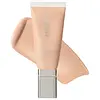 Key Ingredients
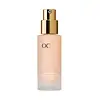
Benefits
Concerns
Ingredients Side-by-side
Zinc Oxide
Cosmetic Colorant


Water
Skin ConditioningPropanediol
Solvent

C13-15 Alkane
SolventIsoamyl Laurate
Emollient

Butyloctyl Salicylate
Skin Conditioning
Zea Mays Starch
Absorbent
Polyglyceryl-4 Diisostearate/Polyhydroxystearate/Sebacate
Emulsifying
C15-19 Alkane
SolventCoco-Caprylate
Emollient
Polyhydroxystearic Acid
Emulsifying
Magnesium Sulfate
Diglycerin
Humectant
Caprylic/Capric Triglyceride
Masking
Quaternium-90 Bentonite
Hydroxyacetophenone
Antioxidant
Disteardimonium Hectorite
StabilisingLauroyl Lysine
Skin Conditioning
Triethyl Citrate
Masking

Caprylyl Glycol
Emollient
Tocopheryl Acetate
Antioxidant

Sorbitan Isostearate
Emulsifying
Cellulose
Absorbent
Ethylhexylglycerin
Skin ConditioningPolyglycerin-3
Humectant
Polyglycerin-4
HumectantGlycerin
Humectant
Tocopherol
Antioxidant


CI 77891
Cosmetic ColorantCI 77491
Cosmetic ColorantCI 77492
Cosmetic ColorantCI 77499
Cosmetic ColorantZinc Oxide, Water, Propanediol, C13-15 Alkane, Isoamyl Laurate, Butyloctyl Salicylate, Zea Mays Starch, Polyglyceryl-4 Diisostearate/Polyhydroxystearate/Sebacate, C15-19 Alkane, Coco-Caprylate, Polyhydroxystearic Acid, Magnesium Sulfate, Diglycerin, Caprylic/Capric Triglyceride, Quaternium-90 Bentonite, Hydroxyacetophenone, Disteardimonium Hectorite, Lauroyl Lysine, Triethyl Citrate, Caprylyl Glycol, Tocopheryl Acetate, Sorbitan Isostearate, Cellulose, Ethylhexylglycerin, Polyglycerin-3, Polyglycerin-4, Glycerin, Tocopherol, CI 77891, CI 77491, CI 77492, CI 77499
Aloe Barbadensis Leaf Juice
Skin Conditioning
Ethyl Palmate
EmollientGlycerin
Humectant
Polyglyceryl-4 Diisostearate/Polyhydroxystearate/Sebacate
Emulsifying
Simmondsia Chinensis Seed Oil
Emollient
Propanediol
Solvent
Bellis Perennis Flower Extract
Skin ConditioningPolyglyceryl-3 Diisostearate
Emulsifying


Microcrystalline Cellulose
AbsorbentCopaifera Officinalis Resin
MaskingCoco-Caprylate/Caprate
Emollient
Magnesium Sulfate
Glyceryl Oleate
Emollient
Polyglyceryl-2 Dipolyhydroxystearate
Skin Conditioning
Trihydroxystearin
Skin Conditioning
Triheptanoin
Skin ConditioningCaprylyl Glyceryl Ether
CleansingPhysalis Pubescens Fruit Juice
Skin ConditioningTetrahexyldecyl Ascorbate
Antioxidant


Phenylpropanol
Masking
Caprylic/Capric Triglyceride
Masking
Xanthan Gum
EmulsifyingC9-12 Alkane
SolventDilinoleic Acid/Butanediol Copolymer
Hydrogenated Castor Oil/Dimer Dilinoleic Acid Copolymer
Carapa Guaianensis Seed Oil
Skin Conditioning
Raspberry Ketone
Masking
Euterpe Oleracea Fruit Oil
Skin Conditioning
Caprylhydroxamic Acid
Hydrogenated Lecithin
Emulsifying
Aloe Barbadensis Leaf Juice Powder
Skin Conditioning
Cellulose
Absorbent
Rosmarinus Officinalis Leaf Extract
AntimicrobialArginine
Masking
Phenethyl Alcohol
MaskingCastor Oil/Ipdi Copolymer
Magnesium Chloride
Mica
Cosmetic ColorantTocopherol
Antioxidant
Sodium Chloride
MaskingPotassium Chloride
Potassium Phosphate
BufferingDisodium Phosphate
BufferingLecithin
Emollient
Ascorbyl Palmitate
Antioxidant
Hydrogenated Palm Glycerides Citrate
Emollient
Calcium Chloride
AstringentCI 77891
Cosmetic ColorantCI 77491
Cosmetic ColorantCI 77492
Cosmetic ColorantCI 77499
Cosmetic ColorantAloe Barbadensis Leaf Juice, Ethyl Palmate, Glycerin, Polyglyceryl-4 Diisostearate/Polyhydroxystearate/Sebacate, Simmondsia Chinensis Seed Oil, Propanediol, Bellis Perennis Flower Extract, Polyglyceryl-3 Diisostearate, Microcrystalline Cellulose, Copaifera Officinalis Resin, Coco-Caprylate/Caprate, Magnesium Sulfate, Glyceryl Oleate, Polyglyceryl-2 Dipolyhydroxystearate, Trihydroxystearin, Triheptanoin, Caprylyl Glyceryl Ether, Physalis Pubescens Fruit Juice, Tetrahexyldecyl Ascorbate, Phenylpropanol, Caprylic/Capric Triglyceride, Xanthan Gum, C9-12 Alkane, Dilinoleic Acid/Butanediol Copolymer, Hydrogenated Castor Oil/Dimer Dilinoleic Acid Copolymer, Carapa Guaianensis Seed Oil, Raspberry Ketone, Euterpe Oleracea Fruit Oil, Caprylhydroxamic Acid, Hydrogenated Lecithin, Aloe Barbadensis Leaf Juice Powder, Cellulose, Rosmarinus Officinalis Leaf Extract, Arginine, Phenethyl Alcohol, Castor Oil/Ipdi Copolymer, Magnesium Chloride, Mica, Tocopherol, Sodium Chloride, Potassium Chloride, Potassium Phosphate, Disodium Phosphate, Lecithin, Ascorbyl Palmitate, Hydrogenated Palm Glycerides Citrate, Calcium Chloride, CI 77891, CI 77491, CI 77492, CI 77499
Reviews
Alternatives
Ingredients Explained
These ingredients are found in both products.
Ingredients higher up in an ingredient list are typically present in a larger amount.
Caprylic/Capric Triglyceride (aka MCT Oil) is a lightweight emollient, solvent, and texture enhancer. It is considered a skin-softener by helping to prevent moisture loss.
Though it behaves like an oil, it is not technically one due to its chemical composition. One perk of this ingredient is that it is very stable, resistant to oxidation, and unlikely to go rancid.
In practice, that translates to a long shelf life and a consistently elegant skin feel.
While there is an assumption Caprylic Triglyceride can clog pores due to it being derived from coconut oil, there is no research supporting this. Just patch test if you have concerns.
Fractionated coconut oil and MCT Oil are both listed as Caprylic/Capric Triglyceride according to INCI. This is because INCI names are based on the ingredient’s final chemical composition and not its marketing name or source.
This ingredient is treated as the gold standard fungal acne safe oil. Even though it is coconut derived, the problematic lauric acid is stripped out.
This leaves just caprylic (C8) and capric (C10) acid. These chain lengths actually trend antifungal; a 2020 study found caprylic acid was enough to disrupt Malassezia furfur cell membrane, with a caprylic acid derivative damaging membrane structures at concentrations as low as 0.2%.
Learn more about Caprylic/Capric TriglycerideCellulose is the main component of plant cell walls. It is used as an emulsifier, absorbent, and texture enhancer.
This ingredient has many functions:
Fun fact: Cellulose is the most abundant form of organic polymer on Earth.
Learn more about CelluloseCi 77491 is also hydrated iron III oxide. It's sole purpose is to give a red/pink hue to products.
Iron III oxides are classified as inorganic chemicals for coloring.
Synthetically created Ci 77491 is considered safer than those naturally found. This is because the synthetically created version may contain less impurities. Iron oxides are generally non-toxic and non-allergenic.
Learn more about CI 77491CI 77492 is also hydrated iron III oxide. It's sole purpose is to give a yellow hue to products.
Iron III oxides are classified as inorganic chemicals for coloring.
Synthetically created CI 77492 is considered safer than those naturally found. This is because the synthetically created version may contain less impurities. Iron oxides are generally non-toxic and non-allergenic.
Learn more about CI 77492Ci 77499 is also hydrated iron III oxide. It is created from mixing red and black iron oxides. This helps give shades of darkness to a product.
Iron III oxides are classified as inorganic chemicals for coloring.
Ci 77891 is a white pigment from Titanium dioxide. It is naturally found in minerals such as rutile and ilmenite.
It's main function is to add a white color to cosmetics. It can also be mixed with other colors to create different shades.
Ci 77891 is commonly found in sunscreens due to its ability to block UV rays.
Learn more about CI 77891Glycerin (or glycerol) is a compound naturally found in your skin. It's a powerhouse humectant that pulls water into the stratum corneum.
Topically, glycerin does several things at once:
Your skin makes glycerin on its own (mostly from sebaceous oil breakdown) and shuttles it to your outermost layer of skin, or your epidermis, via aquaporin-3.
Aquaporin-3 is a transporter that is essential for normal skin hydration, elasticity, and repair. Interestingly, mice lacking in AQP3 have dry and less elastic skin that can be fully corrected with glycerin.
This ingredient is non-irritating, plays well with almost every ingredient, and works across all skin types. Typical use is anywhere between 3-10% but can go up to 79% in some leave-on products.
Just know very high concentrations (>40%) can feel tacky in low humidity.
Glycerin is the name for this ingredient in American English. British English uses Glycerol/Glycerine.
Learn more about GlycerinMagnesium Sulfate is a salt. More specifically, it is an epsom salt, or the bath salt used to help relieve muscle aches.
Despite having ‘sulfate’ in the name, it isn’t a surfactant or cleansing agent like sodium lauryl sulfate. Unlike those sulfates, magnesium sulfate doesn’t have the same cleansing or foaming properties (it's simply a type of salt).
In cosmetics, Magnesium Sulfate is used to thicken a product or help dilute other solids. It is a non-reactive and non-irritating ingredient.
One study shows magnesium deficiency may lead to inflammation of the skin. Applying magnesium topically may help reduce inflammation.
You can find this ingredient in sea water or mineral deposits.
Learn more about Magnesium SulfateThis ingredient is a water-in-oil emulsifier and is sometimes known by its trade name, Isolan GPS. It helps create stable emulsions by bridging oil and water phases without adding a greasy feel.
Common usage levels sit between 2-5% for this ingredient.
Propanediol is an all-star ingredient. It softens, hydrates, and smooths the skin.
It’s often used to:
Propanediol is not likely to cause sensitivity and considered safe to use. It is derived from corn or petroleum with a clear color and no scent.
Learn more about PropanediolTocopherol is a fat-soluble antioxidant known as Vitamin E.
You'll find this ingredient in the vast majority of skincare (for good reason). It works to neutralize free radicals, or unstable molecules generated by UV exposure, pollution, and other environmental stressors, before they can cause oxidative damage to your skin cells.
Topically applied tocopherol has been shown to protect against UV damage by ramping up the skin's own natural defense enzymes.
It also acts as a skin conditioning agent; some studies show that regular topical use can improve the skin's water-binding capacity over 2-4 weeks.
This ingredient is especially loved for being a team player. When combined with Vitamin C, the photoprotective effect of both ingredients roughly doubles and the combo also helps reduce UV-induced DNA damage.
This ingredient has some brightening potential but it's more of a prevention ingredient than spot-fader. Cell studies show it can slow down melanin production but it's worth noting that it's not the most powerful brightener out there.
In formulations, it also serves as a stabilizer that helps protect other oxidation-prone ingredients from degrading.
Concentrations usually range from 0.1-1% in most leave-on products.
Learn more about Tocopherol

