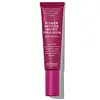
This anti-aging emulsion is formulated around Hexapeptide-11 and Copper Tripeptide-1 to soften the look of wrinkles.
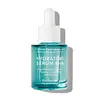
This hydrating serum is formulated around Hydrolyzed Sodium Hyaluronate and Hydrolyzed Hyaluronic Acid to hydrate skin and strengthen the skin barrier.

What's inside
What's inside
 Key Ingredients
Benefits
Concerns
No concerns
Ingredients Side-by-side
Water
Skin ConditioningPropylheptyl Caprylate
EmollientGlycerin
Humectant


Methylpropanediol
SolventSqualane
Emollient
Glyceryl Stearate
Emollient

Pentylene Glycol
Skin Conditioning
Dicaprylyl Ether
Emollient
Hydrolyzed Yeast Extract
Skin ConditioningButylene Glycol
Humectant
Undecane
EmollientSodium Polyacrylate
Absorbent
Melilotus Officinalis Extract
AstringentDolichos Biflorus Callus Extract
Skin ProtectingPolyglucuronic Acid
Skin ConditioningNonapeptide-1
Skin Conditioning
Hexapeptide-11
Skin Conditioning
Oligopeptide-1
Skin Conditioning

Oligopeptide-3
Skin Conditioning
Oligopeptide-2
Skin Conditioning
Copper Tripeptide-1
Skin Conditioning
Acetyl Hexapeptide-8
Humectant
Palmitoyl Tripeptide-5
Skin Conditioning
Haematococcus Pluvialis Extract
Antioxidant

Glutathione

Folic Acid
Skin ConditioningAcetyl Glutamine
Skin ConditioningSodium Acetylated Hyaluronate
Humectant
Hydrolyzed Sodium Hyaluronate
Skin Conditioning
Sodium Hyaluronate Crosspolymer
Humectant
Sodium Hyaluronate
Humectant
Bacillus/Soybean Ferment Extract
Skin ConditioningTocopherol
Antioxidant
Ascorbyl Palmitate
Antioxidant
Lecithin
Emollient
Caprylic/Capric Triglyceride
Masking
Ascorbic Acid
Antioxidant
Citric Acid
Buffering
Tridecane
Perfuming

Xanthan Gum
EmulsifyingCetyl Hydroxyethylcellulose
Emulsion StabilisingDextran
Sodium Stearoyl Glutamate
CleansingDisodium Cetearyl Sulfosuccinate
CleansingSodium Hydroxide
BufferingSodium Sulfate
Tetrasodium Glutamate Diacetate
Chelating1,2-Hexanediol
Skin Conditioning
Phenylpropanol
Masking
Caprylyl Glycol
Emollient
Potassium Sorbate
Preservative
Sodium Benzoate
Masking
Ethylhexylglycerin
Skin ConditioningAlcohol
Antimicrobial



Water, Propylheptyl Caprylate, Glycerin, Methylpropanediol, Squalane, Glyceryl Stearate, Pentylene Glycol, Dicaprylyl Ether, Hydrolyzed Yeast Extract, Butylene Glycol, Undecane, Sodium Polyacrylate, Melilotus Officinalis Extract, Dolichos Biflorus Callus Extract, Polyglucuronic Acid, Nonapeptide-1, Hexapeptide-11, Oligopeptide-1, Oligopeptide-3, Oligopeptide-2, Copper Tripeptide-1, Acetyl Hexapeptide-8, Palmitoyl Tripeptide-5, Haematococcus Pluvialis Extract, Glutathione, Folic Acid, Acetyl Glutamine, Sodium Acetylated Hyaluronate, Hydrolyzed Sodium Hyaluronate, Sodium Hyaluronate Crosspolymer, Sodium Hyaluronate, Bacillus/Soybean Ferment Extract, Tocopherol, Ascorbyl Palmitate, Lecithin, Caprylic/Capric Triglyceride, Ascorbic Acid, Citric Acid, Tridecane, Xanthan Gum, Cetyl Hydroxyethylcellulose, Dextran, Sodium Stearoyl Glutamate, Disodium Cetearyl Sulfosuccinate, Sodium Hydroxide, Sodium Sulfate, Tetrasodium Glutamate Diacetate, 1,2-Hexanediol, Phenylpropanol, Caprylyl Glycol, Potassium Sorbate, Sodium Benzoate, Ethylhexylglycerin, Alcohol
Water
Skin ConditioningGlycerin
Humectant
Hydrolyzed Yeast Extract
Skin ConditioningMelilotus Officinalis Extract
AstringentDolichos Biflorus Callus Extract
Skin ProtectingPolyglucuronic Acid
Skin ConditioningHydrolyzed Sodium Hyaluronate
Skin Conditioning
Hydrolyzed Hyaluronic Acid
Humectant
Sodium Acetylated Hyaluronate
Humectant
Sodium Hyaluronate
Humectant
Sodium Hyaluronate Crosspolymer
Humectant
Panthenol
Skin Conditioning
Allantoin
Skin Conditioning
Biosaccharide Gum-1
Humectant
Lecithin
Emollient
Maltodextrin
Absorbent
Citric Acid
Buffering
Xanthan Gum
EmulsifyingCetyl Hydroxyethylcellulose
Emulsion StabilisingCarbomer
Emulsion StabilisingPropanediol
Solvent
Pentylene Glycol
Skin Conditioning
Ethylhexylglycerin
Skin ConditioningCaprylyl Glycol
Emollient
Glyceryl Caprylate
EmollientPotassium Sorbate
Preservative
Sodium Benzoate
Masking
Water, Glycerin, Hydrolyzed Yeast Extract, Melilotus Officinalis Extract, Dolichos Biflorus Callus Extract, Polyglucuronic Acid, Hydrolyzed Sodium Hyaluronate, Hydrolyzed Hyaluronic Acid, Sodium Acetylated Hyaluronate, Sodium Hyaluronate, Sodium Hyaluronate Crosspolymer, Panthenol, Allantoin, Biosaccharide Gum-1, Lecithin, Maltodextrin, Citric Acid, Xanthan Gum, Cetyl Hydroxyethylcellulose, Carbomer, Propanediol, Pentylene Glycol, Ethylhexylglycerin, Caprylyl Glycol, Glyceryl Caprylate, Potassium Sorbate, Sodium Benzoate
Ingredients Explained
These ingredients are found in both products.
Ingredients higher up in an ingredient list are typically present in a larger amount.
Caprylyl Glycol is a humectant, skin conditioner, emollient, and preservative booster derived from either caprylic acid or synthetically created.
Typical use levels vary from 0.3-1% as a preservative booster and go up to 2% to condition skin.
Because it is not a free-fatty acid, this ingredient is fungal acne safe (there's nothing for Malassezia to feed on).
Learn more about Caprylyl GlycolWe don't have a description for Cetyl Hydroxyethylcellulose yet.
Citric Acid is an alpha hydroxy acid (AHA) naturally found in citrus fruits like oranges, lemons, and limes.
Like other AHAs, citric acid can exfoliate skin by breaking down the bonds that hold dead skin cells together. This helps reveal smoother and brighter skin underneath.
However, this exfoliating effect only happens at high concentrations (20%) which can be hard to find in cosmetic products.
Due to this, citric acid is usually included in small amounts as a pH adjuster. This helps keep products slightly more acidic and compatible with skin's natural pH.
In skincare formulas, citric acid can:
While it can provide some skin benefits, research shows lactic acid and glycolic acid are generally more effective and less irritating exfoliants.
Most citric acid used in skincare today is made by fermenting sugars (usually from molasses). This synthetic version is identical to the natural citrus form but easier to stabilize and use in formulations.
Rosacea skin has a lower threshold for acids generally, with 62.5% of rosacea subjects in one study reacting to lactic acid in a sting test. This is why we mark citric acid as a potential rosacea trigger.
However, this ingredient shows up as a pH adjuster or chelator at roughly 0.1-1% in many products. These low levels are unlikely to be an issue for rosacea skin and becomes a potential trigger at exfoliating concentrations (20%). Because everybody's skin is unique, we recommend a patch test if you are unsure.
Learn more about Citric AcidWe don't have a description for Dolichos Biflorus Callus Extract yet.
Ethylhexylglycerin is created from glycerin. It is a multitasker ingredient that:
The CIR Expert Panel found minimal skin absorption or sensitization of any kind in a safety assessment. Though this ingredient is considered well-tolerated, a small number of cases of allergic dermatitis have been published since 2002. Just be sure to patch test if you are unsure.
Industry-reported use ranges from 8% in rinse-off products and 2% in leave-on formulations.
Learn more about EthylhexylglycerinGlycerin (or glycerol) is a compound naturally found in your skin. It's a powerhouse humectant that pulls water into the stratum corneum.
Topically, glycerin does several things at once:
Your skin makes glycerin on its own (mostly from sebaceous oil breakdown) and shuttles it to your outermost layer of skin, or your epidermis, via aquaporin-3.
Aquaporin-3 is a transporter that is essential for normal skin hydration, elasticity, and repair. Interestingly, mice lacking in AQP3 have dry and less elastic skin that can be fully corrected with glycerin.
This ingredient is non-irritating, plays well with almost every ingredient, and works across all skin types. Typical use is anywhere between 3-10% but can go up to 79% in some leave-on products.
Just know very high concentrations (>40%) can feel tacky in low humidity.
Glycerin is the name for this ingredient in American English. British English uses Glycerol/Glycerine.
Learn more about GlycerinThis ingredient is created by putting sodium hyaluronate through hydrolysis.
You might know this as 'mini' or 'ultra low-molecular weight' hyaluronic acid. The small molecule size means it is able to travel deeper in the skin.
According to studies, low molecular-weight hyaluronic acid can:
One study from 2011 found ultra-low weight HA to show pro-inflammatory properties. Another study from 2022 found it to downregulate UV-B induced inflammation.
Hydrolysis is a process of changing a molecule using water or enzymes.
This ingredient is water-soluble.
Learn more about Hydrolyzed Sodium HyaluronateWe don't have a description for Hydrolyzed Yeast Extract yet.
Lecithin is a term for a group of substances found in the cell membranes of plants, animals, and humans. They are made up of phospholipids.
Thanks to its amphiphilic structure (water-loving head and oil-loving tail), it is a true multitasker:
It plays well with most ingredients and is typically used at 0.1-1%. However, concentrations up to 50% have been reported in moisturizers.
Learn more about LecithinWe don't have a description for Melilotus Officinalis Extract yet.
Pentylene Glycol (1,2-pentanediol) is a multitasking little diol with three main roles in a formula:
Research on alkanediols (the family pentylene glycol belongs to) show they work by disrupting microbial cell membranes. This disruption helps the primary preservative system in a product work more effectively at lower doses.
On the safety side, the Cosmetic Ingredient Review Expert Panel has concluded this ingredient to be safe as used in current cosmetic practices + concentrations.
Typical use levels in a formula run about 1-5%.
Learn more about Pentylene GlycolWe don't have a description for Polyglucuronic Acid yet.
Potassium Sorbate is a preservative used to prevent yeast and mold in products. It is commonly found in both cosmetic and food products.
This ingredient comes from potassium salt derived from sorbic acid. Sorbic acid is a natural antibiotic and effective against fungus.
Both potassium sorbate and sorbic acid can be found in baked goods, cheeses, dried meats, dried fruit, ice cream, pickles, wine, yogurt, and more.
You'll often find this ingredient used with other preservatives.
Learn more about Potassium SorbateSodium Acetylated Hyaluronate is a type of Hyaluronic Acid.
Hyaluronic Acids help moisturize, soothe, and protect the skin.
Read about common types of Hyaluronic Acid here:
Learn more about Sodium Acetylated HyaluronateSodium Benzoate is a preservative. It's used in both cosmetic and food products to inhibit the growth of mold and bacteria. It is typically produced synthetically.
Both the US FDA and EU Health Committee have approved the use of sodium benzoate. In the US, levels of 0.1% (of the total product) are allowed.
Sodium benzoate works as a preservative by inhibiting the growth of bacteria inside of cells. It prevents the cell from fermenting a type of sugar using an enzyme called phosphofructokinase.
It is the salt of benzoic acid. Foods containing sodium benzoate include soda, salad dressings, condiments, fruit juices, wines, and snack foods.
Studies for using ascorbic acid and sodium benzoate in cosmetics are lacking, especially in skincare routines with multiple steps.
We always recommend speaking with a professional, such as a dermatologist, if you have any concerns.
Learn more about Sodium BenzoateSodium Hyaluronate is the salt form of hyaluronic acid. It is a long sugar chain that is naturally found in your skin, joints, and connective tissue that maintains hydration and elasticity.
In skincare, it works as a humectant. It pulls water from the environment and deeper layers of skin and binds it to the surface.
Interestingly, the size of the molecule affects its behavior:
Some clinical evidence links low molecular weight versions to improved wrinkle depth, elasticity, anti-inflammatory effects, and barrier repair.
Many serums use a blend of both weights so you can get surface hydration plus longer-lasting and deeper effects.
You'll typically see concentrations between 0.1-2% for this ingredient.
Learn more about Sodium HyaluronateSodium Hyaluronate Crosspolymer is a crosslinked version of sodium hyaluronate. This just means it's linked into a 3D mesh network that lets it be more stable and sit on skin as a cohesive, gel-like film rather than sinking into skin.
A 2016 human skin study found crosslinked HA increased epidermal water content by 7.6% over the control group and reduced transepidermal water loss by 27.8%.
A follow-up clinical trial found that a topical crosslinked HA serum applied after fillers, microneedling, or chemical peels was well-tolerated and enhanced skin quality at 14 / 28 days.
More recent research suggests that concentrations as low as 0.03% can act as a penetration enhancer for other skincare actives.
Learn more about Sodium Hyaluronate CrosspolymerWater. It's the most common cosmetic ingredient of all. You'll usually see it at the top of ingredient lists, meaning that it makes up the largest part of the product.
So why is it so popular? Water most often acts as a solvent - this means that it helps dissolve other ingredients into the formulation.
You'll also recognize water as that liquid we all need to stay alive. If you see this, drink a glass of water. Remember to stay hydrated!
Learn more about WaterXanthan gum is used as a stabilizer and thickener within cosmetic products. It helps give products a sticky, thick feeling - preventing them from being too runny.
On the technical side of things, xanthan gum is a polysaccharide - a combination consisting of multiple sugar molecules bonded together.
Xanthan gum is a pretty common and great ingredient. It is a natural, non-toxic, non-irritating ingredient that is also commonly used in food products.
Learn more about Xanthan Gum

