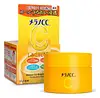
This brightening moisturizer is formulated around Ascorbyl Glucoside and Dipotassium Glycyrrhizate to brighten dull-looking skin and fade the look of dark spots.
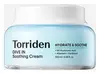
This calming moisturizer is formulated around Panthenol and Sodium Hyaluronate to calm redness and hydrate skin.


What's inside
What's inside
 Key Ingredients
Benefits
Concerns
Ingredients Side-by-side
Ascorbyl Glucoside
Antioxidant




Tocopheryl Acetate
Antioxidant
Dipotassium Glycyrrhizate
Humectant

Ascorbic Acid
Antioxidant

Alpinia Katsumadai Seed Extract
Skin ConditioningCitrus Limon Fruit Extract
Masking
Cornus Officinalis Fruit Extract
Skin ConditioningPoly(2-Methacryloyloxyethyl Phosphorylcholine-Co-N-Butyl Methacrylate)
Butylene Glycol
Humectant

Pentylene Glycol
Skin Conditioning
Glycerin
Humectant
Biosaccharide Gum-4
Skin Conditioning
Pentaerythrityl Tetraethylhexanoate
Emollient
PPG-17 Butyl Ether
Skin ConditioningPotassium Hydroxide
BufferingCarbomer
Emulsion StabilisingDiethoxyethyl Succinate
SolventMethicone
Emollient
PPG-8-Ceteth-20
EmulsifyingPolyacrylamide
Phenoxyethanol
Preservative
Glyceryl Hydroxystearate
Emollient

C13-14 Isoparaffin
Emollient
PEG-20 Sorbitan Isostearate
Emulsifying
Methylparaben
Preservative


Behenyl Alcohol
Emollient
Cetearyl Alcohol
Emollient

PPG-7 Lauryl Ether
EmollientXanthan Gum
EmulsifyingC16-24 Alkyl C16-24 Acidate
Skin ConditioningAcrylates/C10-30 Alkyl Acrylate Crosspolymer
Emulsion StabilisingParfum
Masking

Ascorbyl Glucoside, Tocopheryl Acetate, Dipotassium Glycyrrhizate, Ascorbic Acid, Alpinia Katsumadai Seed Extract, Citrus Limon Fruit Extract, Cornus Officinalis Fruit Extract, Poly(2-Methacryloyloxyethyl Phosphorylcholine-Co-N-Butyl Methacrylate), Butylene Glycol, Pentylene Glycol, Glycerin, Biosaccharide Gum-4, Pentaerythrityl Tetraethylhexanoate, PPG-17 Butyl Ether, Potassium Hydroxide, Carbomer, Diethoxyethyl Succinate, Methicone, PPG-8-Ceteth-20, Polyacrylamide, Phenoxyethanol, Glyceryl Hydroxystearate, C13-14 Isoparaffin, PEG-20 Sorbitan Isostearate, Methylparaben, Behenyl Alcohol, Cetearyl Alcohol, PPG-7 Lauryl Ether, Xanthan Gum, C16-24 Alkyl C16-24 Acidate, Acrylates/C10-30 Alkyl Acrylate Crosspolymer, Parfum
Water
Skin ConditioningButylene Glycol
Humectant
Glycerin
Humectant
1,2-Hexanediol
Skin Conditioning
Hydrogenated Didecene
Skin ConditioningCaprylic/Capric Triglyceride
Masking
Panthenol
Skin Conditioning
Sodium Hyaluronate
Humectant
Sodium Hyaluronate Crosspolymer
Humectant
Hydrolyzed Sodium Hyaluronate
Skin Conditioning
Sodium Acetylated Hyaluronate
Humectant
Hydrolyzed Hyaluronic Acid
Humectant
Allantoin
Skin Conditioning
Ectoin
Skin Conditioning
Glycyrrhiza Glabra Root Extract
Bleaching
Trehalose
Humectant
Hamamelis Virginiana Extract
Antiseborrhoeic
Glyceryl Acrylate/Acrylic Acid Copolymer
HumectantPvm/Ma Copolymer
Emulsion StabilisingHydroxyethyl Acrylate/Sodium Acryloyldimethyl Taurate Copolymer
Emulsion Stabilising2,3-Butanediol
HumectantCetearyl Alcohol
Emollient
C14-22 Alcohols
Emulsion Stabilising
C12-20 Alkyl Glucoside
EmulsifyingPentylene Glycol
Skin Conditioning
Sorbitan Isostearate
Emulsifying
Caprylyl Methicone
Skin Conditioning
Salvia Sclarea Extract
AntiseborrhoeicLavandula Angustifolia Flower Extract
Cleansing
Hyacinthus Orientalis Extract
Skin ConditioningChamomilla Recutita Extract
Skin Conditioning
Centaurea Cyanus Flower Extract
Astringent
Borago Officinalis Extract
Emollient
Disodium EDTA
Carbomer
Emulsion StabilisingTromethamine
BufferingXanthan Gum
EmulsifyingGlutathione
Malachite Extract
Antioxidant
Gluconic Acid

Ethylhexylglycerin
Skin ConditioningWater, Butylene Glycol, Glycerin, 1,2-Hexanediol, Hydrogenated Didecene, Caprylic/Capric Triglyceride, Panthenol, Sodium Hyaluronate, Sodium Hyaluronate Crosspolymer, Hydrolyzed Sodium Hyaluronate, Sodium Acetylated Hyaluronate, Hydrolyzed Hyaluronic Acid, Allantoin, Ectoin, Glycyrrhiza Glabra Root Extract, Trehalose, Hamamelis Virginiana Extract, Glyceryl Acrylate/Acrylic Acid Copolymer, Pvm/Ma Copolymer, Hydroxyethyl Acrylate/Sodium Acryloyldimethyl Taurate Copolymer, 2,3-Butanediol, Cetearyl Alcohol, C14-22 Alcohols, C12-20 Alkyl Glucoside, Pentylene Glycol, Sorbitan Isostearate, Caprylyl Methicone, Salvia Sclarea Extract, Lavandula Angustifolia Flower Extract, Hyacinthus Orientalis Extract, Chamomilla Recutita Extract, Centaurea Cyanus Flower Extract, Borago Officinalis Extract, Disodium EDTA, Carbomer, Tromethamine, Xanthan Gum, Glutathione, Malachite Extract, Gluconic Acid, Ethylhexylglycerin
Reviews
Ingredients Explained
These ingredients are found in both products.
Ingredients higher up in an ingredient list are typically present in a larger amount.
Butylene Glycol (or BG) is used within cosmetic products for a few different reasons:
Overall, Butylene Glycol is a safe and well-rounded ingredient that works well with other ingredients.
Though this ingredient works well with most skin types, some people with sensitive skin may experience a reaction such as allergic rashes, closed comedones, or itchiness.
Learn more about Butylene GlycolCarbomer is a synthetic thickening and gelling agent. It's basically the ingredient that gives a lot of serums, gels, creams, and sunscreens their smooth, non-sticky texture.
Although legally permitted at very high levels, carbomers are normally used at concentrations below 1%.
It also needs to be neutralized to actually thicken, and because it is a large molecule, it doesn't really penetrate the skin barrier.
Allergy-wise, the risk is very low. Clinical studies show carbomers have low potential for skin irritation/sensitization even at concentrations up to 100%.
A 2024 UK study patch-tested 1,302 patients and found true allergy to the parent group of carbomer to be rare with no confirmed relevant reactions.
Learn more about CarbomerCetearyl alcohol is a waxy mixture of two fatty alcohols: cetyl alcohol and stearyl alcohol. It is an emollient and emulsifier.
Despite having "alcohol" in its name, it has nothing to do with drying solvent alcohols; the FDA also allows "alcohol-free" products to contain fatty alcohols like this ingredient.
It plays several roles in a formula:
Typical use levels for this ingredient sit around 1-10% and the Cosmetic Ingredient Review Expert Panel has affirmed safety at concentrations up to 25% in leave-on products.
Multiple assessments have found it to be non-irritating and non-sensitizing to most people.
However, there have been some cases of allergic contact dermatitis in patients with chronically compromised skin barriers.
Cetearyl alcohol has a comedogenic rating of 2 and irritancy rating of 1. Both of these numbers come from the 1989 study that used rabbit ears; a "2" means mildly comedogenic and a "1" means low irritancy.
Here's the catch: rabbit skin is more sensitive than human skin and throws a lot of false positives. A 1996 reappraisal found that ingredients rated 1-2 in the rabbit ear tests are generally safe for humans.
Remember comedogenic ratings are unable to assess the entire formula of a product or how it will react on your skin. Just be sure to patch test if you are unsure about certain ingredients.
This ingredient is not fungal acne safe. Cetearyl alcohol is a fatty alcohol with chain lengths that fall within the range that Malassezia can metabolize.
A 2019 study has also observed Malassezia growth in the presence of this ingredient, confirming it to be not-fungal acne safe.
Learn more about Cetearyl AlcoholGlycerin (or glycerol) is a compound naturally found in your skin. It's a powerhouse humectant that pulls water into the stratum corneum.
Topically, glycerin does several things at once:
Your skin makes glycerin on its own (mostly from sebaceous oil breakdown) and shuttles it to your outermost layer of skin, or your epidermis, via aquaporin-3.
Aquaporin-3 is a transporter that is essential for normal skin hydration, elasticity, and repair. Interestingly, mice lacking in AQP3 have dry and less elastic skin that can be fully corrected with glycerin.
This ingredient is non-irritating, plays well with almost every ingredient, and works across all skin types. Typical use is anywhere between 3-10% but can go up to 79% in some leave-on products.
Just know very high concentrations (>40%) can feel tacky in low humidity.
Glycerin is the name for this ingredient in American English. British English uses Glycerol/Glycerine.
Learn more about GlycerinPentylene Glycol (1,2-pentanediol) is a multitasking little diol with three main roles in a formula:
Research on alkanediols (the family pentylene glycol belongs to) show they work by disrupting microbial cell membranes. This disruption helps the primary preservative system in a product work more effectively at lower doses.
On the safety side, the Cosmetic Ingredient Review Expert Panel has concluded this ingredient to be safe as used in current cosmetic practices + concentrations.
Typical use levels in a formula run about 1-5%.
Learn more about Pentylene GlycolXanthan gum is used as a stabilizer and thickener within cosmetic products. It helps give products a sticky, thick feeling - preventing them from being too runny.
On the technical side of things, xanthan gum is a polysaccharide - a combination consisting of multiple sugar molecules bonded together.
Xanthan gum is a pretty common and great ingredient. It is a natural, non-toxic, non-irritating ingredient that is also commonly used in food products.
Learn more about Xanthan Gum

