
What's inside
What's inside
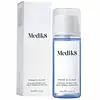 Key Ingredients
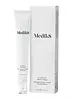
Benefits
Concerns
Ingredients Side-by-side
Water
Skin ConditioningPropanediol
Solvent
Glycereth-26
Humectant
Salicylic Acid
Masking








Tranexamic Acid
Astringent




Dimethyl Isosorbide
SolventCyclodextrin
AbsorbentAloe Barbadensis Leaf Juice
Skin Conditioning
Saccharomyces Ferment Filtrate
Humectant
Lecithin
Emollient
Oryza Sativa Lees Extract
Skin ConditioningXanthan Gum
EmulsifyingEthylhexylglycerin
Skin ConditioningButylene Glycol
Humectant
Sclerotium Gum
Emulsion Stabilising1,2-Hexanediol
Skin Conditioning
Pullulan
Disodium EDTA
Sodium Hydroxide
BufferingPolyacrylate Crosspolymer-6
Emulsion StabilisingPhenoxyethanol
Preservative
Buteth-3
SolventHydroxyacetophenone
Antioxidant
Sodium Metabisulfite
Antioxidant
Sodium Benzotriazolyl Butylphenol Sulfonate
UV AbsorberTributyl Citrate
SolventPotassium Sorbate
Preservative
Silica
Abrasive
Sodium Benzoate
Masking
Citric Acid
Buffering

Water, Propanediol, Glycereth-26, Salicylic Acid, Tranexamic Acid, Dimethyl Isosorbide, Cyclodextrin, Aloe Barbadensis Leaf Juice, Saccharomyces Ferment Filtrate, Lecithin, Oryza Sativa Lees Extract, Xanthan Gum, Ethylhexylglycerin, Butylene Glycol, Sclerotium Gum, 1,2-Hexanediol, Pullulan, Disodium EDTA, Sodium Hydroxide, Polyacrylate Crosspolymer-6, Phenoxyethanol, Buteth-3, Hydroxyacetophenone, Sodium Metabisulfite, Sodium Benzotriazolyl Butylphenol Sulfonate, Tributyl Citrate, Potassium Sorbate, Silica, Sodium Benzoate, Citric Acid
Water
Skin ConditioningNiacinamide
Smoothing

Caprylic/Capric Triglyceride
Masking
Acetyl Glucosamine
Skin ConditioningGlyceryl Stearate Citrate
Emollient
Dimethicone
Emollient
Zinc PCA
Humectant
Glycerin
Humectant
Polyglyceryl-3 Stearate
Emulsifying
Crambe Abyssinica Seed Oil
Skin Conditioning
Hydroxyacetophenone
Antioxidant
Hydrogenated Lecithin
Emulsifying
Behenyl Alcohol
Emollient
Cetearyl Alcohol
Emollient

Phenoxyethanol
Preservative
Hydroxyethyl Acrylate/Sodium Acryloyldimethyl Taurate Copolymer
Emulsion StabilisingDisodium EDTA
Xanthan Gum
EmulsifyingCetyl Palmitate
Emollient
Carnosine
Skin Conditioning
Ethylhexylglycerin
Skin ConditioningPolysorbate 80
Emulsifying
Palmitoyl Tetrapeptide-10
Skin Conditioning
Sorbitan Stearate
Emulsifying
Sodium Hyaluronate
Humectant
Polysorbate 60
Emulsifying
Sorbitan Isostearate
Emulsifying
Sodium Benzoate
Masking
Citric Acid
Buffering
Tocopherol
Antioxidant
Butylene Glycol
Humectant
1,2-Hexanediol
Skin Conditioning
Caprylhydroxamic Acid
Water, Niacinamide, Caprylic/Capric Triglyceride, Acetyl Glucosamine, Glyceryl Stearate Citrate, Dimethicone, Zinc PCA, Glycerin, Polyglyceryl-3 Stearate, Crambe Abyssinica Seed Oil, Hydroxyacetophenone, Hydrogenated Lecithin, Behenyl Alcohol, Cetearyl Alcohol, Phenoxyethanol, Hydroxyethyl Acrylate/Sodium Acryloyldimethyl Taurate Copolymer, Disodium EDTA, Xanthan Gum, Cetyl Palmitate, Carnosine, Ethylhexylglycerin, Polysorbate 80, Palmitoyl Tetrapeptide-10, Sorbitan Stearate, Sodium Hyaluronate, Polysorbate 60, Sorbitan Isostearate, Sodium Benzoate, Citric Acid, Tocopherol, Butylene Glycol, 1,2-Hexanediol, Caprylhydroxamic Acid
Reviews
Ingredients Explained
These ingredients are found in both products.
Ingredients higher up in an ingredient list are typically present in a larger amount.
1,2-Hexanediol is a synthetic liquid and another multi-functional powerhouse.
It is a:
- Humectant, drawing moisture into the skin
- Emollient, helping to soften skin
- Solvent, dispersing and stabilizing formulas
- Preservative booster, enhancing the antimicrobial activity of other preservatives
Butylene Glycol (or BG) is used within cosmetic products for a few different reasons:
Overall, Butylene Glycol is a safe and well-rounded ingredient that works well with other ingredients.
Though this ingredient works well with most skin types, some people with sensitive skin may experience a reaction such as allergic rashes, closed comedones, or itchiness.
Learn more about Butylene GlycolCitric Acid is an alpha hydroxy acid (AHA) naturally found in citrus fruits like oranges, lemons, and limes.
Like other AHAs, citric acid can exfoliate skin by breaking down the bonds that hold dead skin cells together. This helps reveal smoother and brighter skin underneath.
However, this exfoliating effect only happens at high concentrations (20%) which can be hard to find in cosmetic products.
Due to this, citric acid is usually included in small amounts as a pH adjuster. This helps keep products slightly more acidic and compatible with skin's natural pH.
In skincare formulas, citric acid can:
While it can provide some skin benefits, research shows lactic acid and glycolic acid are generally more effective and less irritating exfoliants.
Most citric acid used in skincare today is made by fermenting sugars (usually from molasses). This synthetic version is identical to the natural citrus form but easier to stabilize and use in formulations.
Read more about some other popular AHA's here:
Learn more about Citric AcidDisodium EDTA plays a role in making products more stable by aiding other preservatives.
It is a chelating agent, meaning it neutralizes metal ions that may be found in a product.
Disodium EDTA is a salt of edetic acid and is found to be safe in cosmetic ingredients.
Learn more about Disodium EDTAEthylhexylglycerin (we can't pronounce this either) is commonly used as a preservative and skin softener. It is derived from glyceryl.
You might see Ethylhexylglycerin often paired with other preservatives such as phenoxyethanol. Ethylhexylglycerin has been found to increase the effectiveness of these other preservatives.
Hydroxyacetophenone is antioxidant with skin conditioning and soothing properties. It also boosts the efficiency of preservatives.
This ingredient is not irritating or sensitizing.
Phenoxyethanol is a preservative that has germicide, antimicrobial, and aromatic properties. Studies show that phenoxyethanol can prevent microbial growth. By itself, it has a scent that is similar to that of a rose.
It's often used in formulations along with Caprylyl Glycol to preserve the shelf life of products.
Sodium Benzoate is a preservative. It's used in both cosmetic and food products to inhibit the growth of mold and bacteria. It is typically produced synthetically.
Both the US FDA and EU Health Committee have approved the use of sodium benzoate. In the US, levels of 0.1% (of the total product) are allowed.
Sodium benzoate works as a preservative by inhibiting the growth of bacteria inside of cells. It prevents the cell from fermenting a type of sugar using an enzyme called phosphofructokinase.
It is the salt of benzoic acid. Foods containing sodium benzoate include soda, salad dressings, condiments, fruit juices, wines, and snack foods.
Studies for using ascorbic acid and sodium benzoate in cosmetics are lacking, especially in skincare routines with multiple steps.
We always recommend speaking with a professional, such as a dermatologist, if you have any concerns.
Learn more about Sodium BenzoateWater. It's the most common cosmetic ingredient of all. You'll usually see it at the top of ingredient lists, meaning that it makes up the largest part of the product.
So why is it so popular? Water most often acts as a solvent - this means that it helps dissolve other ingredients into the formulation.
You'll also recognize water as that liquid we all need to stay alive. If you see this, drink a glass of water. Stay hydrated!
Learn more about WaterXanthan gum is used as a stabilizer and thickener within cosmetic products. It helps give products a sticky, thick feeling - preventing them from being too runny.
On the technical side of things, xanthan gum is a polysaccharide - a combination consisting of multiple sugar molecules bonded together.
Xanthan gum is a pretty common and great ingredient. It is a natural, non-toxic, non-irritating ingredient that is also commonly used in food products.
Learn more about Xanthan Gum
