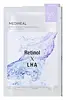
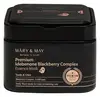
Mediheal Derma Synergy Wrapping Mask Versus Mary & May Premium Idebenone Blackberry Complex Essence Mask
What's inside
What's inside
Key Ingredients
Benefits
Concerns
Ingredients Side-by-side
Water
Skin ConditioningGlycerin
HumectantPropanediol

SolventDipropylene Glycol
HumectantNiacinamide
Smoothing1,2-Hexanediol

Skin ConditioningPanthenol
Skin ConditioningHydroxyacetophenone
AntioxidantBetaine
HumectantDiglycerin
HumectantCarbomer
Emulsion StabilisingArginine
MaskingPolyglyceryl-10 Laurate
Skin ConditioningTrehalose

HumectantButylene Glycol
HumectantEthylhexylglycerin
Skin ConditioningXanthan Gum
EmulsifyingRosa Damascena Flower Water
MaskingAdenosine
Skin ConditioningPyrus Communis Fruit Extract
Skin ConditioningDisodium EDTA
Pantolactone
HumectantHedera Helix Leaf/Stem Extract
AntimicrobialHydrolyzed Collagen
EmollientLinum Usitatissimum Seed Extract
PerfumingBambusa Vulgaris Leaf Extract

Skin ConditioningTremella Fuciformis Polysaccharide
Emulsion StabilisingHydrogenated Lecithin
EmulsifyingVitis Vinifera Fruit Extract
Skin ConditioningDiospyros Kaki Leaf Extract
Skin ProtectingPhytosterols
Skin ConditioningPolygonum Cuspidatum Root Extract
AntioxidantCoffea Arabica Seed Extract
MaskingCarthamus Tinctorius Flower Extract
Skin ConditioningZanthoxylum Piperitum Fruit Extract
Skin ConditioningCastanea Crenata Shell Extract
Skin ConditioningCamellia Sinensis Leaf Extract
AntimicrobialPantothenic Acid
Skin ConditioningMangifera Indica Fruit Extract
Skin ConditioningCapryloyl Salicylic Acid
ExfoliatingCeramide NP

Skin ConditioningRetinol
Skin ConditioningPalmitoyl Pentapeptide-4
Skin ConditioningPalmitoyl Tripeptide-1

Skin ConditioningHexapeptide-9
Skin ConditioningAcetyl Hexapeptide-8
HumectantTripeptide-1
Skin ConditioningCopper Tripeptide-1
Skin ConditioningWater, Glycerin, Propanediol, Dipropylene Glycol, Niacinamide, 1,2-Hexanediol, Panthenol, Hydroxyacetophenone, Betaine, Diglycerin, Carbomer, Arginine, Polyglyceryl-10 Laurate, Trehalose, Butylene Glycol, Ethylhexylglycerin, Xanthan Gum, Rosa Damascena Flower Water, Adenosine, Pyrus Communis Fruit Extract, Disodium EDTA, Pantolactone, Hedera Helix Leaf/Stem Extract, Hydrolyzed Collagen, Linum Usitatissimum Seed Extract, Bambusa Vulgaris Leaf Extract, Tremella Fuciformis Polysaccharide, Hydrogenated Lecithin, Vitis Vinifera Fruit Extract, Diospyros Kaki Leaf Extract, Phytosterols, Polygonum Cuspidatum Root Extract, Coffea Arabica Seed Extract, Carthamus Tinctorius Flower Extract, Zanthoxylum Piperitum Fruit Extract, Castanea Crenata Shell Extract, Camellia Sinensis Leaf Extract, Pantothenic Acid, Mangifera Indica Fruit Extract, Capryloyl Salicylic Acid, Ceramide NP, Retinol, Palmitoyl Pentapeptide-4, Palmitoyl Tripeptide-1, Hexapeptide-9, Acetyl Hexapeptide-8, Tripeptide-1, Copper Tripeptide-1
Water
Skin ConditioningGlycerin
HumectantDipropylene Glycol
HumectantNiacinamide
SmoothingTrehalose
HumectantRubus Fruticosus Fruit Extract
AstringentVaccinium Angustifolium Fruit Extract
Skin ProtectingEuterpe Oleracea Fruit Extract
Caprylic/Capric Triglyceride
MaskingCaprylyl/Capryl Glucoside
CleansingButylene Glycol
HumectantHydrogenated Lecithin
EmulsifyingAdenosine
Skin ConditioningPanthenol
Skin ConditioningHydroxydecyl Ubiquinone
AntioxidantCentella Asiatica Extract
CleansingSodium Ascorbyl Phosphate
AntioxidantCeramide NP
Skin ConditioningSodium Hyaluronate
HumectantPalmitoyl Pentapeptide-4
Skin ConditioningCopper Tripeptide-1
Skin ConditioningTripeptide-1
Skin ConditioningHexapeptide-9
Skin ConditioningPalmitoyl Tripeptide-1
Skin ConditioningHexapeptide-11
Skin ConditioningHydroxyethylcellulose
Emulsion StabilisingTromethamine
BufferingCarbomer
Emulsion StabilisingPolyglyceryl-10 Laurate
Skin ConditioningPolyglyceryl-4 Laurate
EmulsifyingHydroxyacetophenone
Antioxidant1,2-Hexanediol
Skin ConditioningOctyldodecanol
EmollientCaprylyl Glycol
EmollientEthylhexylglycerin
Skin ConditioningDisodium EDTA
Parfum
MaskingWater, Glycerin, Dipropylene Glycol, Niacinamide, Trehalose, Rubus Fruticosus Fruit Extract, Vaccinium Angustifolium Fruit Extract, Euterpe Oleracea Fruit Extract, Caprylic/Capric Triglyceride, Caprylyl/Capryl Glucoside, Butylene Glycol, Hydrogenated Lecithin, Adenosine, Panthenol, Hydroxydecyl Ubiquinone, Centella Asiatica Extract, Sodium Ascorbyl Phosphate, Ceramide NP, Sodium Hyaluronate, Palmitoyl Pentapeptide-4, Copper Tripeptide-1, Tripeptide-1, Hexapeptide-9, Palmitoyl Tripeptide-1, Hexapeptide-11, Hydroxyethylcellulose, Tromethamine, Carbomer, Polyglyceryl-10 Laurate, Polyglyceryl-4 Laurate, Hydroxyacetophenone, 1,2-Hexanediol, Octyldodecanol, Caprylyl Glycol, Ethylhexylglycerin, Disodium EDTA, Parfum
Ingredients Explained
These ingredients are found in both products.
Ingredients higher up in an ingredient list are typically present in a larger amount.
1,2-Hexanediol is a synthetic liquid and another multi-functional powerhouse.Â
It is a:
- Humectant, drawing moisture into the skin
- Emollient, helping to soften skin
- Solvent, dispersing and stabilizing formulas
- Preservative booster, enhancing the antimicrobial activity of other preservativesÂ
Adenosine is in every living organism. It is one of four components in nucleic acids that helps store our DNA.
Adenosine has many benefits when used. These benefits include hydrating the skin, smoothing skin, and reducing wrinkles. Once applied, adenosine increases collagen production. It also helps with improving firmness and tissue repair.
Studies have found adenosine may also help with wound healing.
In skincare products, Adenosine is usually derived from yeast.
Learn more about AdenosineButylene Glycol (or BG) is used within cosmetic products for a few different reasons:
Overall, Butylene Glycol is a safe and well-rounded ingredient that works well with other ingredients.
Though this ingredient works well with most skin types, some people with sensitive skin may experience a reaction such as allergic rashes, closed comedones, or itchiness.
Learn more about Butylene GlycolCarbomer is a high-molecular weight polymer of acrylic acid. It is used to form gels and thicken formulas.
Due to its large molecular size, carbomer has minimal skin penetration and is considered an inert ingredient.
A high amount of carbomer can cause pilling or balling up of products. Don't worry, most products contain 1% or less of carbomer.
Learn more about CarbomerCeramide NP (formerly known as Ceramide 3) is one of the skin's naturally occurring lipids.
Since ceramides are the major lipid components of the skin, they are crucial for maintaining skin barrier and hydration. Ceramide NP most closely mirrors the dominant kind in human skin amongst ceramide subtypes.
This ceramide works by slotting into gaps within the stratum corneum's lipid matrix to limit trans-epidermal water loss (TEWL) and shield the skin against external irritants.
A study with 312 patients found that using a ceramide-containing routine for 4 weeks reduced the severity of atopic dermatitis by over 61%.
Another clinical study in subjects aged 60 and older found that a ceramide body wash and moisturizer improved skin dryness and itchy skin in 15 days.
Overall, ceramides are considered non-irritating and safety tests have found little to no observable adverse effects from using this ingredient.
Ceramide NP is usually sourced from plants (like soybean or rice bran), or produced synthetically.
Learn more about Ceramide NPCopper Tripeptide-1 (GHK-Cu) is a skin repairing ingredient known for its ability to boost collagen, improve firmness, and support skin regeneration.
It is a complex made up of a naturally occurring peptide (glycine-histidine-lysine) and copper, an essential trace element.
While studying wound healing, researchers noticed GHK-Cu stimulated hair follicle enlargement and growth by keeping hair in its active growth phase longer. This has made it a promising ingredient for hair regrowth treatments.
Some people have reported increased facial hair. While GHK-Cu can make your hair follicles bigger, it usually doesn’t turn soft, barely-visible facial hairs into thick, dark ones.
Anecdotal reports suggest that overusing copper peptides might lead to premature aging due to excess free copper or enzyme imbalances. This claim isn’t backed by large-scale studies.
Unfortunately, there are limited human studies for this ingredient. While early results are promising, many studies are either small, in-vitro, or not rigorously controlled.
For example, there is a 1998 study that explored the effects of copper tripeptide, vitamin C, tretinoin, and melatonin on skin repair and collagen synthesis.
After one month, increased procollagen production was seen in 7 out of 10 participants using copper tripeptide (more than those using vitamin C, melatonin, or tretinoin.
While the study was exploratory, it offers early evidence that copper tripeptide may support collagen production. Larger, well-designed trials are still needed to confirm its potential and understand individual responses.
Read more about other common types of peptides here:
Learn more about Copper Tripeptide-1Dipropylene Glycol is a synthetically created humectant, stabilizer, and solvent.
This ingredient helps:
Dipropylene glycol is technically an alcohol, but it belongs to the glycol family (often considered part of the ‘good’ alcohols). This means it is hydrating and gentle on skin unlike drying solvent alcohols like denatured alcohol.
As a masking agent, Dipropylene Glycol can be used to cover the smell of other ingredients. However, it does not have a scent.
Studies show Dipropylene Glycol is considered safe to use in skincare.
Learn more about Dipropylene GlycolDisodium EDTA is a chelating agent. It grabs onto and deactivates metal ions that sneak into your products from water, packaging, or air.
This ingredient mainly works behind the scenes and helps with:
On top of that, this ingredient can counteract the effects of hard water by binding to the minerals in it.
One thing worth knowing is that Disodium EDTA has been shown to be a mild penetration enhancer. It can help other ingredients absorb into skin more effectively which can be a double-edged sword (great for actives, but can also make the active too strong if you have sensitive skin).
Clinical patch testing showed no significant skin irritation at typical use concentrations and minimal dermal absorption.
You'll most likely see this ingredient near the end of an ingredient list. It's typically found in concentrations less than 1%.
Learn more about Disodium EDTAEthylhexylglycerin is created from glycerin. It is a multitasker ingredient that:
The CIR Expert Panel found minimal skin absorption or sensitization of any kind in a safety assessment. Though this ingredient is considered well-tolerated, a small number of cases of allergic dermatitis have been published since 2002. Just be sure to patch test if you are unsure.
Industry-reported use ranges from 8% in rinse-off products and 2% in leave-on formulations.
Learn more about EthylhexylglycerinGlycerin (or glycerol) is a compound naturally found in your skin. It's a powerhouse humectant that pulls water into the stratum corneum.
Topically, glycerin does several things at once:
Your skin makes glycerin on its own (mostly from sebaceous oil breakdown) and shuttles it to your outermost layer of skin, or your epidermis, via aquaporin-3.
Aquaporin-3 is a transporter that is essential for normal skin hydration, elasticity, and repair. Interestingly, mice lacking in AQP3 have dry and less elastic skin that can be fully corrected with glycerin.
This ingredient is non-irritating, plays well with almost every ingredient, and works across all skin types. Typical use is anywhere between 3-10% but can go up to 79% in some leave-on products.
Just know very high concentrations (>40%) can feel tacky in low humidity.
Glycerin is the name for this ingredient in American English. British English uses Glycerol/Glycerine.
Learn more about GlycerinHexapeptide-9 is a signaling peptide that is made to mimic a fragment found naturally in collagen IV and XVII.
It is classified as a matrikine peptide and works by telling your skin cells (especially fibroblasts) to ramp up collagen and hyaluronic acid production.
In-vitro studies show it can enhance epidermal regeneration, boost synthesis of collagen types I, III, and IV, and improved markers of skin differentiation.
Think of skin differentiation like this: your skin cells are born at the bottom and slowly travel up to the surface as they "grow up". As they move up, they start producing specific proteins that make your skin do its job well. Two of these proteins are keratin (it makes your skin tough) and filaggrin (it breaks apart into tiny molecules to keep your skin hydrated). So Hexapeptide-9 has shown to help skin cells grow up properly and make stronger, more hydrated skin.
A manufacturer also reports increased collagen production by 117% and hyaluronic acid production by 267%.
Just know much of the published data comes from manufacturer-sponsored studies. There is a recent clinical trial showing promising anti-aging results but the evidence base is still growing.
Generally, this ingredient is well-tolerated and there's no harm in using it as a supportive ingredient in your routine.
Learn more about Hexapeptide-9Hydrogenated Lecithin is a more stable version of lecithin.
It's made by taking lecithin (a phospholipid commonly found in soybeans and egg yolks) and hydrogenating it. This just means the unsaturated fatty acids are turned into saturated ones so they don't go bad as easily.
This ingredient is an emollient, emulsifier, and penetration enhancer. As an emollient, it helps soften and hydrate skin by trapping moisture within. As an emulsifier, it prevents oil and water ingredients from separating.
Hydrogenated Lecithin can form tiny spherical structures made of phospholipid bilayers called liposomes. These liposomes are able to capture compounds inside their structure and deliver them through the skin barrier.
Because phospholipids are a natural component of our cell membranes, this ingredient is inherently compatible with skin.
A 2021 study found lecithin-based surfactants were less harsh and more tolerable comared to Sodium Lauryl Sulfate (SLS).
Learn more about Hydrogenated LecithinHydroxyacetophenone is antioxidant with skin conditioning and soothing properties. It also boosts the efficiency of preservatives.
Though naturally occuring in Norwegian spruce needles, this ingredient is usually synthetically created.
This ingredient is not irritating or sensitizing. Recent research also suggests it may have skin-brightening effects through tyrosinase inhibition.
Learn more about HydroxyacetophenoneNiacinamide is a multitasking form of vitamin B3 that strengthens the skin barrier, reduces pores and dark spots, regulates oil, and improves signs of aging.
And the best part? It's gentle and well-tolerated by most skin types, including sensitive and reactive skin.
You might have heard of "niacin flush", or the reddening of skin that causes itchiness. Niacinamide has not been found to cause this.
In very rare cases, some individuals may not be able to tolerate niacinamide at all or experience an allergic reaction to it.
If you are experiencing flaking, irritation, and dryness with this ingredient, be sure to double check all your products as this ingredient can be found in all categories of skincare.
When incorporating niacinamide into your routine, look out for concentration amounts. Typically, 5% niacinamide provides benefits such as fading dark spots. However, if you have sensitive skin, it is better to begin with a smaller concentration.
When you apply niacinamide to your skin, your body converts it into nicotinamide adenine dinucleotide (NAD). NAD is an essential coenzyme that is already found in your cells as "fuel" and powers countless biological processes.
In your skin, NAD helps repair cell damage, produce new healthy cells, support collagen production, strengthen the skin barrier, and fight environmental stressors (like UV and pollution).
Our natural NAD levels start to decline with age, leading to slower skin repair, visible aging, and a weaker skin barrier. By providing your skin niacinamide, you're recharging your skin's NAD levels. This leads to stronger, healthier, and younger looking skin.
Another name for vitamin B3 is nicotinamide. This vitamin is water-soluble and our bodies don't store it. We obtain Vitamin B3 from either food or skincare. Meat, fish, wheat, yeast, and leafy greens contain vitamin B3.
The type of niacinamide used in skincare is synthetically created.
Learn more about NiacinamideYou might know this ingredient as Matrixyl. It is a synthetic peptide made up of five amino acids attached to a palmitic acid, a fatty acid that helps it absorb into skin more easily.
As a signal peptide, Matrixyl acts like a little messenger. Once it reaches your skin cells, it tells them to ramp up production of collagen, elastin, and other proteins that keep skin looking firm and smooth.
A 12 week clinical study found that a moisturizer containing just 3 ppm of Matrixyl led to a significant improvement in fine-lines and wrinkles. Another study showed an 18% reduction in wrinkle depth, 37% reduction in wrinkle thickness, and a 21% improvement in skin firmness after just 28 days of twice-daily use.
The coolest part is that it works at incredibly low concentrations (like 0.0003%) and it plays well with other actives.
The CIR (Cosmetic Ingredient Review) panel found it to be non-sensitizing across multiple tests and human patch tests also showed no irritation or sensitization.
Due to its palmitic acid base, it may not be fungal acne safe.
Fun fact: Matrixyl was originally developed by French company Sederma and Procter & Gamble.
Read more about other common types of peptides here:
Learn more about Palmitoyl Pentapeptide-4Palmitoyl Tripeptide-1 is also known as pal-GHK. It is made up of 3 amino acids and palmitic acid, a fatty acid that helps it absorb into skin more easily.
This peptide is as a signal peptide, meaning it tells the skin to produce more collagen. Collagen is the key protein that helps form the skin's structure and keep it plump, firm, and hydrated.
By boosting collagen production, this ingredient supports a stronger skin barrier and helps reduce the appearance of wrinkles.
You'll most likely see this ingredient paired with Palmitoyl Tetrapeptide-7 in the well-known Matrixyl 3000 complex. While results from in-house testing should be viewed cautiously, this peptide duo is among the most studied and widely used in modern skincare.
Due to its palmitic acid base, this ingredient may not be safe for Malassezia folliculitis.
Read more about other common types of peptides here:
Learn more about Palmitoyl Tripeptide-1Panthenol is a common ingredient that helps hydrate and soothe the skin. It is found naturally in our skin and hair.
There are two forms of panthenol: D and L.
D-panthenol is also known as dexpanthenol. Most cosmetics use dexpanthenol or a mixture of D and L-panthenol.
Panthenol is famous due to its ability to go deeper into the skin's layers. Using this ingredient has numerous pros (and no cons):
Like hyaluronic acid, panthenol is a humectant. Humectants are able to bind and hold large amounts of water to keep skin hydrated.
This ingredient works well for wound healing. It works by increasing tissue in the wound and helps close open wounds.
Once oxidized, panthenol converts to pantothenic acid. Panthothenic acid is found in all living cells.
This ingredient is also referred to as pro-vitamin B5.
Learn more about PanthenolPolyglyceryl-10 Laurate is a cleansing agent and emulsifier.
It rounds up dirt, oil, and grime, so they can be rinsed off easily as a cleanser. On the emulsifier side, it keeps your formula smooth and well-mixed by playing peacekeeper for ingredients that don't naturally get along (like oil and water).
Because it has a C12 (lauric acid) fatty acid chain, this ingredient can potentially feed the Malassezia yeast that causes fungal acne. The Malassezia yeast prefers esters with C11-C24 fatty acids If you're prone to flare-ups, you might want to patch-test or skip this one.
This ingredient is an ester of lauric acid and Polyglycerin-10.
Learn more about Polyglyceryl-10 LaurateTrehalose is a disaccharide made of two glucose molecules (glucose is sugar!). Trehalose is used to help moisturize skin. It also has antioxidant properties.
As a humectant, trehalose helps draw moisture from the air to your skin. This helps keep your skin hydrated.
Due to its antioxidant properties, trehalose may help with signs of aging. Antioxidants help fight free-radical molecules, unstable molecules that may damage your skin.
In medicine, trehalose and hyaluronic acid are used to help treat dry eyes.
Some animals, plants, and bacteria create trehalose as a source of energy to survive freeze or lack of water.
Learn more about TrehaloseTripeptide-1, also known as GHK), is a small, three-amino-acid peptide made up of glycine, histidine, and lysine.
This ingredient is a signal peptide and tell your skin to start producing fresh collagen, elastin, and other key structural proteins. This helps maintain firmness and reduces the look of fine-lines/wrinkles.
GHK is also unique because is also acts as a carrier peptide. It binds to and transports copper ions (forming the complex GHK-Cu). This form has been studied for decades and is known to stimulate wound healing, boost antioxidant defenses, and promote collagen/elastin synthesis.
In-vitro studies show both GHK and GHK-CU increase fibroblast activity that enhances the production of collagen, elastin, fibronectin, and other extracellular matrix components.
Both of these compounds also help balance enzymes that control collagen breakdown.
Human studies (in-vivo) using GHK-Cu creams have reported visible improvements to skin density, elasticity, and wrinkle depth after several weeks of use.
A small clinical study also found topical collagen tripeptide improved wrinkle appearance and skin elasticity in women after four weeks.
While these results are promising, most research is based on GHK-Cu or its derivatives rather than Tripeptide-1 alone (Palmitoyl Tripeptide-1 is a famous derivative of GHK). However, the consensus still supports GHK as a potent skin-signaling molecule that can encourage regeneration and maintain youthful looking skin.
Fun fact: GHK is a naturally occurring fragment of type 1 collagen that can be found in human plasma, saliva, and urine.
Learn more about Tripeptide-1Water. It's the most common cosmetic ingredient of all. You'll usually see it at the top of ingredient lists, meaning that it makes up the largest part of the product.
So why is it so popular? Water most often acts as a solvent - this means that it helps dissolve other ingredients into the formulation.
You'll also recognize water as that liquid we all need to stay alive. If you see this, drink a glass of water. Remember to stay hydrated!
Learn more about Water