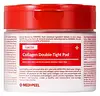
This pore-care exfoliating pad uses a pre-saturated pad with Lactobacillus Ferment and Gluconolactone to refine the look of pores and refine skin texture.
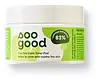
This calming toner pad uses a pre-saturated pad with Centella Asiatica Extract and Beta-Glucan to calm redness and hydrate skin.

What's inside
What's inside
 Key Ingredients
Benefits
Concerns
No concerns
Ingredients Side-by-side
Water
Skin ConditioningButylene Glycol
Humectant

Hydrolyzed Collagen
Emollient
1,2-Hexanediol
Skin Conditioning
Glycerin
Humectant
Isopropyl Palmitate
Emollient




Arginine
Masking
Lactobacillus Ferment
Skin Conditioning
Prunus Amygdalus Dulcis Oil
Skin Conditioning
Acrylates/C10-30 Alkyl Acrylate Crosspolymer
Emulsion StabilisingCarbomer
Emulsion StabilisingPolyglyceryl-10 Laurate
Skin Conditioning
Diospyros Kaki Leaf Extract
Skin Protecting
Vitis Vinifera Fruit Extract
Skin ConditioningMentha Arvensis Leaf Oil
Masking
Carthamus Tinctorius Flower Extract
Skin ConditioningCoffea Arabica Seed Extract
Masking
Polygonum Cuspidatum Root Extract
Antioxidant
Camellia Sinensis Leaf Extract
Antimicrobial


Castanea Crenata Shell Extract
Skin ConditioningZanthoxylum Piperitum Fruit Extract
Skin ConditioningLactococcus Ferment
Skin ConditioningBifida Ferment Filtrate
Skin Conditioning
Barosma Betulina Leaf Extract
Perfuming
Disodium EDTA
Polyquaternium-51
Skin Conditioning
Rosa Damascena Flower Water
Masking
Sodium Hyaluronate
Humectant
Gluconolactone
Skin Conditioning


Oenothera Biennis Flower Extract
AstringentPinus Palustris Leaf Extract
TonicPueraria Lobata Root Extract
HumectantUlmus Davidiana Root Extract
Skin Conditioning
Ethylhexylglycerin
Skin ConditioningGlycine
Buffering
Serine
Masking
Glutamic Acid
Humectant
Aspartic Acid
Masking
Leucine
Skin ConditioningAlanine
Masking
Lysine
Skin ConditioningTyrosine
MaskingPhenylalanine
Masking
Threonine
Valine
MaskingProline
Skin Conditioning
Isoleucine
Skin ConditioningDipeptide Diaminobutyroyl Benzylamide Diacetate
Skin Conditioning
Histidine
Humectant
Methionine
Skin ConditioningCysteine
Antioxidant
Palmitoyl Tripeptide-5
Skin Conditioning
Hydrolyzed Hyaluronic Acid
Humectant
Sodium Acetylated Hyaluronate
Humectant
Water, Butylene Glycol, Hydrolyzed Collagen, 1,2-Hexanediol, Glycerin, Isopropyl Palmitate, Arginine, Lactobacillus Ferment, Prunus Amygdalus Dulcis Oil, Acrylates/C10-30 Alkyl Acrylate Crosspolymer, Carbomer, Polyglyceryl-10 Laurate, Diospyros Kaki Leaf Extract, Vitis Vinifera Fruit Extract, Mentha Arvensis Leaf Oil, Carthamus Tinctorius Flower Extract, Coffea Arabica Seed Extract, Polygonum Cuspidatum Root Extract, Camellia Sinensis Leaf Extract, Castanea Crenata Shell Extract, Zanthoxylum Piperitum Fruit Extract, Lactococcus Ferment, Bifida Ferment Filtrate, Barosma Betulina Leaf Extract, Disodium EDTA, Polyquaternium-51, Rosa Damascena Flower Water, Sodium Hyaluronate, Gluconolactone, Oenothera Biennis Flower Extract, Pinus Palustris Leaf Extract, Pueraria Lobata Root Extract, Ulmus Davidiana Root Extract, Ethylhexylglycerin, Glycine, Serine, Glutamic Acid, Aspartic Acid, Leucine, Alanine, Lysine, Tyrosine, Phenylalanine, Threonine, Valine, Proline, Isoleucine, Dipeptide Diaminobutyroyl Benzylamide Diacetate, Histidine, Methionine, Cysteine, Palmitoyl Tripeptide-5, Hydrolyzed Hyaluronic Acid, Sodium Acetylated Hyaluronate
Brassica Oleracea Capitata Leaf Extract
Skin ConditioningPropanediol
Solvent
Dipropylene Glycol
HumectantMethylpropanediol
SolventCentella Asiatica Extract
Cleansing
Anthemis Nobilis Flower Extract
Masking
Camellia Sinensis Leaf Extract
Antimicrobial
Aloe Barbadensis Leaf Extract
Emollient
Cucumis Sativus Fruit Extract
Emollient
Ginkgo Biloba Leaf Extract
Skin Conditioning
Camellia Japonica Leaf Extract
Skin ConditioningEruca Sativa Leaf Extract
Skin ConditioningTriticum Vulgare Sprout Extract
Skin ConditioningBrassica Oleracea Italica Sprout Extract
EmollientMedicago Sativa Extract
TonicChamomilla Recutita Flower/Leaf Extract
AntimicrobialCentaurea Cyanus Flower Water
Skin Conditioning
Sorbitol
Humectant
Xanthan Gum
EmulsifyingBeta-Glucan
Skin Conditioning
Allantoin
Skin Conditioning
Disodium EDTA
Glycerin
Humectant
Water
Skin ConditioningButylene Glycol
Humectant
1,2-Hexanediol
Skin Conditioning
Hydroxyacetophenone
Antioxidant
Brassica Oleracea Capitata Leaf Extract, Propanediol, Dipropylene Glycol, Methylpropanediol, Centella Asiatica Extract, Anthemis Nobilis Flower Extract, Camellia Sinensis Leaf Extract, Aloe Barbadensis Leaf Extract, Cucumis Sativus Fruit Extract, Ginkgo Biloba Leaf Extract, Camellia Japonica Leaf Extract, Eruca Sativa Leaf Extract, Triticum Vulgare Sprout Extract, Brassica Oleracea Italica Sprout Extract, Medicago Sativa Extract, Chamomilla Recutita Flower/Leaf Extract, Centaurea Cyanus Flower Water, Sorbitol, Xanthan Gum, Beta-Glucan, Allantoin, Disodium EDTA, Glycerin, Water, Butylene Glycol, 1,2-Hexanediol, Hydroxyacetophenone
Ingredients Explained
These ingredients are found in both products.
Ingredients higher up in an ingredient list are typically present in a larger amount.
1,2-Hexanediol is a synthetic liquid and another multi-functional powerhouse.
It is a:
- Humectant, drawing moisture into the skin
- Emollient, helping to soften skin
- Solvent, dispersing and stabilizing formulas
- Preservative booster, enhancing the antimicrobial activity of other preservatives
Butylene Glycol (or BG) is used within cosmetic products for a few different reasons:
Overall, Butylene Glycol is a safe and well-rounded ingredient that works well with other ingredients.
Though this ingredient works well with most skin types, some people with sensitive skin may experience a reaction such as allergic rashes, closed comedones, or itchiness.
Learn more about Butylene GlycolCamellia Sinensis Leaf Extract (tea extract) is one of the most well-researched plant extracts in skincare with an impressive resume.
Black tea, green tea, and oolong tea are all harvested from the Camellia Sinensis plant.
Studies show green tea extract and its catechins (like epigallocatechin gallate (EGCG)) help your skin cells product energy more efficiently and reducing the number of free-radicals that can damage your skin from the inside.
In lab-grown skin models, this translated to younger, healthier, and stronger skin.
There's also good sun protection data; researchers saw less DNA damage and redness on human skin when green tea was applied before UVB exposure. And the more they applied, the better the protection.
Needless to say, this ingredient shouldn't replace your sunscreen. But it is a great supportive ingredient that you can already find in many sunscreens and antioxidant serums.
A 2009 study found a 2% green tea lotion was effective for mild-to-moderate acne thanks to its anti-inflammatory and mild antimicrobial activity.
The quality of the extract matters a lot here:
Good extracts contain 50-90% catechins while lower quality ones are mostly there for marketing. We recommend reaching out to the brand if you have questions about the quality or source of their ingredients.
Human Repeated Insult Patch Testing showed no irritation or sensitization at use concentrations (0.86% in leave-on products and up to 30% as leaf water).
Learn more about Camellia Sinensis Leaf ExtractDisodium EDTA is a chelating agent. It grabs onto and deactivates metal ions that sneak into your products from water, packaging, or air.
This ingredient mainly works behind the scenes and helps with:
On top of that, this ingredient can counteract the effects of hard water by binding to the minerals in it.
One thing worth knowing is that Disodium EDTA has been shown to be a mild penetration enhancer. It can help other ingredients absorb into skin more effectively which can be a double-edged sword (great for actives, but can also make the active too strong if you have sensitive skin).
Clinical patch testing showed no significant skin irritation at typical use concentrations and minimal dermal absorption.
You'll most likely see this ingredient near the end of an ingredient list. It's typically found in concentrations less than 1%.
Learn more about Disodium EDTAGlycerin (or glycerol) is a compound naturally found in your skin. It's a powerhouse humectant that pulls water into the stratum corneum.
Topically, glycerin does several things at once:
Your skin makes glycerin on its own (mostly from sebaceous oil breakdown) and shuttles it to your outermost layer of skin, or your epidermis, via aquaporin-3.
Aquaporin-3 is a transporter that is essential for normal skin hydration, elasticity, and repair. Interestingly, mice lacking in AQP3 have dry and less elastic skin that can be fully corrected with glycerin.
This ingredient is non-irritating, plays well with almost every ingredient, and works across all skin types. Typical use is anywhere between 3-10% but can go up to 79% in some leave-on products.
Just know very high concentrations (>40%) can feel tacky in low humidity.
Glycerin is the name for this ingredient in American English. British English uses Glycerol/Glycerine.
Learn more about GlycerinWater. It's the most common cosmetic ingredient of all. You'll usually see it at the top of ingredient lists, meaning that it makes up the largest part of the product.
So why is it so popular? Water most often acts as a solvent - this means that it helps dissolve other ingredients into the formulation.
You'll also recognize water as that liquid we all need to stay alive. If you see this, drink a glass of water. Remember to stay hydrated!
Learn more about Water

