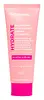
This mild gel cleanser is made to cleanse without leaving your skin tight or dry.
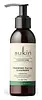
This foaming cleanser uses mild cleansing ingredients, but contains alcohol that may feel drying for some.

What's inside
What's inside
 Key Ingredients
Benefits
Concerns
Ingredients Side-by-side
Water
Skin ConditioningGlycerin
Humectant


Sodium Cocoyl Isethionate
Cleansing
Sodium Chloride
MaskingCoco-Betaine
Cleansing
Hydroxypropyl Starch Phosphate
Sodium Methyl Cocoyl Taurate
Cleansing
1,2-Hexanediol
Skin Conditioning
Hydrogenated Coconut Acid
Emollient

Potassium Cocoyl Glycinate
Surfactant
Sodium Isethionate
CleansingSodium Hyaluronate
Humectant


Sodium Acetylated Hyaluronate
Humectant
Hydrolyzed Hyaluronic Acid
Humectant
Hyaluronic Acid
Humectant
Hydroxypropyltrimonium Hyaluronate
Potassium Hyaluronate
Skin ConditioningSodium Hyaluronate Crosspolymer
Humectant
Aureobasidium Pullulans Ferment
Skin ConditioningBifida Ferment Lysate
Skin Conditioning
Aspergillus Ferment
Skin ConditioningBacillus Ferment
Skin Conditioning
Lactococcus Ferment
Skin ConditioningLactobacillus Ferment
Skin Conditioning
Saccharomyces Ferment Filtrate
Humectant
Fructooligosaccharides
Humectant
Maltodextrin
Absorbent
Fructan
Skin ConditioningSorbitol
Humectant
Salicylic Acid
Masking









Trehalose
Humectant
Betaine
Humectant
Beta-Glucan
Skin Conditioning
Soluble Collagen
Humectant
Rosa Canina Fruit Oil
Emollient
Allantoin
Skin Conditioning
Sorbitan Olivate
Emulsifying
Citric Acid
Buffering
Ethylhexylglycerin
Skin ConditioningDisodium EDTA
Parfum
Masking

Water, Glycerin, Sodium Cocoyl Isethionate, Sodium Chloride, Coco-Betaine, Hydroxypropyl Starch Phosphate, Sodium Methyl Cocoyl Taurate, 1,2-Hexanediol, Hydrogenated Coconut Acid, Potassium Cocoyl Glycinate, Sodium Isethionate, Sodium Hyaluronate, Sodium Acetylated Hyaluronate, Hydrolyzed Hyaluronic Acid, Hyaluronic Acid, Hydroxypropyltrimonium Hyaluronate, Potassium Hyaluronate, Sodium Hyaluronate Crosspolymer, Aureobasidium Pullulans Ferment, Bifida Ferment Lysate, Aspergillus Ferment, Bacillus Ferment, Lactococcus Ferment, Lactobacillus Ferment, Saccharomyces Ferment Filtrate, Fructooligosaccharides, Maltodextrin, Fructan, Sorbitol, Salicylic Acid, Trehalose, Betaine, Beta-Glucan, Soluble Collagen, Rosa Canina Fruit Oil, Allantoin, Sorbitan Olivate, Citric Acid, Ethylhexylglycerin, Disodium EDTA, Parfum
Water
Skin ConditioningAloe Barbadensis Leaf Juice
Skin Conditioning
Cocamidopropyl Betaine
Cleansing
Decyl Glucoside
Cleansing
PEG-150 Pentaerythrityl Tetrastearate
Emulsifying
Chamomilla Recutita Flower Extract
Masking
Camellia Sinensis Leaf Extract
Antimicrobial
Hamamelis Virginiana Extract
Antiseborrhoeic
Glycerin
Humectant
Macadamia Ternifolia Seed Oil
Emollient
Rosa Canina Fruit Oil
Emollient
Oenothera Biennis Oil
Emollient
Citrus Tangerina Peel Oil
Masking
Citrus Nobilis Peel Oil
Masking
Lavandula Angustifolia Oil
Masking

Vanillin
Masking
Vanilla Planifolia Fruit Extract
Skin Conditioning
Phenoxyethanol
Preservative
Benzyl Alcohol
Perfuming
Limonene
Perfuming
Linalool
Perfuming
Water, Aloe Barbadensis Leaf Juice, Cocamidopropyl Betaine, Decyl Glucoside, PEG-150 Pentaerythrityl Tetrastearate, Chamomilla Recutita Flower Extract, Camellia Sinensis Leaf Extract, Hamamelis Virginiana Extract, Glycerin, Macadamia Ternifolia Seed Oil, Rosa Canina Fruit Oil, Oenothera Biennis Oil, Citrus Tangerina Peel Oil, Citrus Nobilis Peel Oil, Lavandula Angustifolia Oil, Vanillin, Vanilla Planifolia Fruit Extract, Phenoxyethanol, Benzyl Alcohol, Limonene, Linalool
Ingredients Explained
These ingredients are found in both products.
Ingredients higher up in an ingredient list are typically present in a larger amount.
Glycerin (or glycerol) is a compound naturally found in your skin. It's a powerhouse humectant that pulls water into the stratum corneum.
Topically, glycerin does several things at once:
Your skin makes glycerin on its own (mostly from sebaceous oil breakdown) and shuttles it to your outermost layer of skin, or your epidermis, via aquaporin-3.
Aquaporin-3 is a transporter that is essential for normal skin hydration, elasticity, and repair. Interestingly, mice lacking in AQP3 have dry and less elastic skin that can be fully corrected with glycerin.
This ingredient is non-irritating, plays well with almost every ingredient, and works across all skin types. Typical use is anywhere between 3-10% but can go up to 79% in some leave-on products.
Just know very high concentrations (>40%) can feel tacky in low humidity.
Glycerin is the name for this ingredient in American English. British English uses Glycerol/Glycerine.
Learn more about GlycerinRosa Canina Fruit Oil is a non-fragrant plant oil that has earned its skincare reputation through chemistry.
It's dominated by fatty acids like linoleic acid (~35-55%), alpha-linolenic acid (~17-27%), and oleic acid (~14-22%). This is the exact profile that supports skin barrier, locks in hydration, and calms inflammation.
A 2024 review found evidence for the Rosa canina species supports its use for scarring, hyperpigmentation, wrinkles, and atopic dermatitis; this was mostly credited to its vitamin C content and fatty acid composition as the primary active mechanisms.
You might see this ingredient marketed as a "natural retinol". Some rosehip seed oils contains traces of all-trans-retinoic acid but these trace amounts are far below biologically active levels.
The Cosmetic Ingredient Review Panel has deemed this ingredient safe and it's well-tolerated.
Fungal acne: The fatty acids of this oil fall into the C11-24 range that Malassezia yeast can metabolize, so this ingredient may not be fungal acne safe.
Learn more about Rosa Canina Fruit OilWater. It's the most common cosmetic ingredient of all. You'll usually see it at the top of ingredient lists, meaning that it makes up the largest part of the product.
So why is it so popular? Water most often acts as a solvent - this means that it helps dissolve other ingredients into the formulation.
You'll also recognize water as that liquid we all need to stay alive. If you see this, drink a glass of water. Remember to stay hydrated!
Learn more about Water


