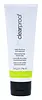
This wash off mask is formulated around Salicylic Acid to clear breakouts and unclog pores.


What's inside
What's inside
 Key Ingredients
Benefits
Concerns
Ingredients Side-by-side
Water
Skin ConditioningCI 77004
Cosmetic ColorantGlycerin
Humectant


Propylene Glycol
Humectant

Magnesium Aluminum Silicate
Absorbent
CI 77499
Cosmetic ColorantCharcoal Powder
Abrasive

Lonicera Japonica Leaf Extract
Skin ConditioningVegetable Amino Acids
Skin ConditioningBambusa Vulgaris Shoot Extract
Antioxidant
Rosmarinus Officinalis Leaf Extract
AntimicrobialBisabolol
Antioxidant

Mentha Piperita Extract
CleansingMentha Viridis Leaf Extract
Masking
Butylene Glycol
Humectant
Salicylic Acid
Masking






Triethanolamine
BufferingTriethyl Citrate
Masking
Disodium EDTA
Xanthan Gum
EmulsifyingSodium Benzoate
Masking
Citric Acid
Buffering
Potassium Benzoate
Preservative
Sodium Polyacrylate
Absorbent
Hydroxypropyl Cyclodextrin
MaskingPolysorbate 80
Emulsifying
Cellulose Gum
Emulsion StabilisingPhenoxyethanol
Preservative
Iodopropynyl Butylcarbamate
Preservative
Potassium Sorbate
Preservative
Water, CI 77004, Glycerin, Propylene Glycol, Magnesium Aluminum Silicate, CI 77499, Charcoal Powder, Lonicera Japonica Leaf Extract, Vegetable Amino Acids, Bambusa Vulgaris Shoot Extract, Rosmarinus Officinalis Leaf Extract, Bisabolol, Mentha Piperita Extract, Mentha Viridis Leaf Extract, Butylene Glycol, Salicylic Acid, Triethanolamine, Triethyl Citrate, Disodium EDTA, Xanthan Gum, Sodium Benzoate, Citric Acid, Potassium Benzoate, Sodium Polyacrylate, Hydroxypropyl Cyclodextrin, Polysorbate 80, Cellulose Gum, Phenoxyethanol, Iodopropynyl Butylcarbamate, Potassium Sorbate
Water
Skin ConditioningKaolin
Abrasive
Bentonite
Absorbent
Glycerin
Humectant
Acacia Senegal Gum
MaskingXanthan Gum
EmulsifyingBenzyl Alcohol
Perfuming

Alcohol
Antimicrobial
Sodium Dehydroacetate
Preservative
CI 77491
Cosmetic ColorantCitrus Aurantium Bergamia Fruit Oil
Masking

Vitis Vinifera Fruit Extract
Skin ConditioningLimonene
Perfuming
Lavandula Angustifolia Oil
Masking
Linalool
Perfuming
Sodium Citrate
BufferingCitric Acid
Buffering
Dehydroacetic Acid
Preservative
Coffea Arabica Seed Extract
Masking
Coffea Robusta Seed Extract
Skin ConditioningCarbomer
Emulsion StabilisingCupressus Sempervirens Oil
Masking
Salvia Sclarea Oil
Masking
CI 77499
Cosmetic ColorantCommiphora Myrrha Oil
Masking
Santalum Album Oil
Masking
Anthemis Nobilis Flower Oil
Masking
Papain
Skin Conditioning
Petroselinum Crispum Seed Oil
Masking
1,2-Hexanediol
Skin Conditioning
Caprylyl Glycol
Emollient
Sodium Benzoate
Masking
Lactic Acid
Buffering
Algin
Masking
Potassium Sorbate
Preservative
Water, Kaolin, Bentonite, Glycerin, Acacia Senegal Gum, Xanthan Gum, Benzyl Alcohol, Alcohol, Sodium Dehydroacetate, CI 77491, Citrus Aurantium Bergamia Fruit Oil, Vitis Vinifera Fruit Extract, Limonene, Lavandula Angustifolia Oil, Linalool, Sodium Citrate, Citric Acid, Dehydroacetic Acid, Coffea Arabica Seed Extract, Coffea Robusta Seed Extract, Carbomer, Cupressus Sempervirens Oil, Salvia Sclarea Oil, CI 77499, Commiphora Myrrha Oil, Santalum Album Oil, Anthemis Nobilis Flower Oil, Papain, Petroselinum Crispum Seed Oil, 1,2-Hexanediol, Caprylyl Glycol, Sodium Benzoate, Lactic Acid, Algin, Potassium Sorbate
Reviews
Ingredients Explained
These ingredients are found in both products.
Ingredients higher up in an ingredient list are typically present in a larger amount.
Ci 77499 is also hydrated iron III oxide. It is created from mixing red and black iron oxides. This helps give shades of darkness to a product.
Iron III oxides are classified as inorganic chemicals for coloring.
Citric Acid is an alpha hydroxy acid (AHA) naturally found in citrus fruits like oranges, lemons, and limes.
Like other AHAs, citric acid can exfoliate skin by breaking down the bonds that hold dead skin cells together. This helps reveal smoother and brighter skin underneath.
However, this exfoliating effect only happens at high concentrations (20%) which can be hard to find in cosmetic products.
Due to this, citric acid is usually included in small amounts as a pH adjuster. This helps keep products slightly more acidic and compatible with skin's natural pH.
In skincare formulas, citric acid can:
While it can provide some skin benefits, research shows lactic acid and glycolic acid are generally more effective and less irritating exfoliants.
Most citric acid used in skincare today is made by fermenting sugars (usually from molasses). This synthetic version is identical to the natural citrus form but easier to stabilize and use in formulations.
Read more about some other popular AHA's here:
Learn more about Citric AcidGlycerin (or glycerol) is a compound naturally found in your skin. It's a powerhouse humectant that pulls water into the stratum corneum.
Topically, glycerin does several things at once:
Your skin makes glycerin on its own (mostly from sebaceous oil breakdown) and shuttles it to your outermost layer of skin, or your epidermis, via aquaporin-3.
Aquaporin-3 is a transporter that is essential for normal skin hydration, elasticity, and repair. Interestingly, mice lacking in AQP3 have dry and less elastic skin that can be fully corrected with glycerin.
This ingredient is non-irritating, plays well with almost every ingredient, and works across all skin types. Typical use is anywhere between 3-10% but can go up to 79% in some leave-on products.
Just know very high concentrations (>40%) can feel tacky in low humidity.
Glycerin is the name for this ingredient in American English. British English uses Glycerol/Glycerine.
Learn more about GlycerinPotassium Sorbate is a preservative used to prevent yeast and mold in products. It is commonly found in both cosmetic and food products.
This ingredient comes from potassium salt derived from sorbic acid. Sorbic acid is a natural antibiotic and effective against fungus.
Both potassium sorbate and sorbic acid can be found in baked goods, cheeses, dried meats, dried fruit, ice cream, pickles, wine, yogurt, and more.
You'll often find this ingredient used with other preservatives.
Learn more about Potassium SorbateSodium Benzoate is a preservative. It's used in both cosmetic and food products to inhibit the growth of mold and bacteria. It is typically produced synthetically.
Both the US FDA and EU Health Committee have approved the use of sodium benzoate. In the US, levels of 0.1% (of the total product) are allowed.
Sodium benzoate works as a preservative by inhibiting the growth of bacteria inside of cells. It prevents the cell from fermenting a type of sugar using an enzyme called phosphofructokinase.
It is the salt of benzoic acid. Foods containing sodium benzoate include soda, salad dressings, condiments, fruit juices, wines, and snack foods.
Studies for using ascorbic acid and sodium benzoate in cosmetics are lacking, especially in skincare routines with multiple steps.
We always recommend speaking with a professional, such as a dermatologist, if you have any concerns.
Learn more about Sodium BenzoateWater. It's the most common cosmetic ingredient of all. You'll usually see it at the top of ingredient lists, meaning that it makes up the largest part of the product.
So why is it so popular? Water most often acts as a solvent - this means that it helps dissolve other ingredients into the formulation.
You'll also recognize water as that liquid we all need to stay alive. If you see this, drink a glass of water. Remember to stay hydrated!
Learn more about WaterXanthan gum is used as a stabilizer and thickener within cosmetic products. It helps give products a sticky, thick feeling - preventing them from being too runny.
On the technical side of things, xanthan gum is a polysaccharide - a combination consisting of multiple sugar molecules bonded together.
Xanthan gum is a pretty common and great ingredient. It is a natural, non-toxic, non-irritating ingredient that is also commonly used in food products.
Learn more about Xanthan Gum

