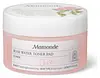
This brightening toner pad uses a pre-saturated pad with Lactic Acid to brighten dull-looking skin and refine skin texture.
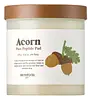
This pore-care toner pad uses a pre-saturated pad with Niacinamide and Gluconolactone to refine the look of pores and refine skin texture.

What's inside
What's inside
 Key Ingredients
Benefits
Concerns
Ingredients Side-by-side
Water
Skin ConditioningButylene Glycol
Humectant

Rose Extract
Skin ConditioningPhenoxyethanol
Preservative
PEG-60 Hydrogenated Castor Oil
Emulsifying


Polyacrylic Acid
Emulsion StabilisingTromethamine
BufferingEthylhexylglycerin
Skin ConditioningDisodium EDTA
Parfum
Masking



Glycerin
Humectant
Nelumbo Nucifera Flower Extract
Skin ConditioningPrunus Mume Fruit Extract
Humectant
Tocopherol
Antioxidant




Lactic Acid
Buffering



Citric Acid
Buffering
Water
Skin ConditioningQuercus Acutissima Fruit Extract 10%
AstringentPropanediol
Solvent
Butylene Glycol
Humectant
Glycerin
Humectant
Niacinamide
Smoothing


Alcohol
Antimicrobial

Gluconolactone
Skin Conditioning
Sodium Citrate
BufferingTromethamine
BufferingHydroxyacetophenone
Antioxidant
PPG-13-Decyltetradeceth-24
Emulsifying1,2-Hexanediol
Skin Conditioning
Hamamelis Virginiana Extract
Antiseborrhoeic
Allantoin
Skin Conditioning
Opuntia Ficus-Indica Stem Extract
Skin Conditioning
Adenosine
Skin Conditioning
Polyglyceryl-10 Laurate
Skin Conditioning
Diospyros Kaki Fruit Extract
Skin ConditioningCamellia Sinensis Leaf Extract
Antimicrobial
Castanea Crenata Shell Extract
Skin ConditioningSodium Hyaluronate
Humectant
Citric Acid
Buffering
Hydroxyethylcellulose
Emulsion StabilisingEnantia Chlorantha Bark Extract
Skin ConditioningSodium Phytate
Dextrin
AbsorbentBeta-Glucan
Skin Conditioning
Theobroma Cacao Extract
Skin ConditioningEucalyptus Globulus Leaf Oil
Perfuming

Rosmarinus Officinalis Leaf Oil
Masking
Amyris Balsamifera Bark Oil
Masking
Caprylyl Glycol
Emollient
Hydrolyzed Lupine Protein
Skin ConditioningSalvia Officinalis Oil
Masking
Glyceryl Acrylate/Acrylic Acid Copolymer
HumectantCitrus Aurantium Bergamia Fruit Oil
Masking
Pueraria Lobata Root Extract
HumectantUlmus Davidiana Root Extract
Skin Conditioning
Oenothera Biennis Flower/Leaf/Stem Extract
Skin ConditioningPinus Palustris Leaf Extract
TonicHelianthus Annuus Seed Oil
Emollient
Salvia Sclarea Oil
Masking
Palmitoyl Tripeptide-5
Skin Conditioning
Oleanolic Acid
Skin ConditioningWater, Quercus Acutissima Fruit Extract 10%, Propanediol, Butylene Glycol, Glycerin, Niacinamide, Alcohol, Gluconolactone, Sodium Citrate, Tromethamine, Hydroxyacetophenone, PPG-13-Decyltetradeceth-24, 1,2-Hexanediol, Hamamelis Virginiana Extract, Allantoin, Opuntia Ficus-Indica Stem Extract, Adenosine, Polyglyceryl-10 Laurate, Diospyros Kaki Fruit Extract, Camellia Sinensis Leaf Extract, Castanea Crenata Shell Extract, Sodium Hyaluronate, Citric Acid, Hydroxyethylcellulose, Enantia Chlorantha Bark Extract, Sodium Phytate, Dextrin, Beta-Glucan, Theobroma Cacao Extract, Eucalyptus Globulus Leaf Oil, Rosmarinus Officinalis Leaf Oil, Amyris Balsamifera Bark Oil, Caprylyl Glycol, Hydrolyzed Lupine Protein, Salvia Officinalis Oil, Glyceryl Acrylate/Acrylic Acid Copolymer, Citrus Aurantium Bergamia Fruit Oil, Pueraria Lobata Root Extract, Ulmus Davidiana Root Extract, Oenothera Biennis Flower/Leaf/Stem Extract, Pinus Palustris Leaf Extract, Helianthus Annuus Seed Oil, Salvia Sclarea Oil, Palmitoyl Tripeptide-5, Oleanolic Acid
Reviews
Ingredients Explained
These ingredients are found in both products.
Ingredients higher up in an ingredient list are typically present in a larger amount.
Butylene Glycol (or BG) is used within cosmetic products for a few different reasons:
Overall, Butylene Glycol is a safe and well-rounded ingredient that works well with other ingredients.
Though this ingredient works well with most skin types, some people with sensitive skin may experience a reaction such as allergic rashes, closed comedones, or itchiness.
Learn more about Butylene GlycolCitric Acid is an alpha hydroxy acid (AHA) naturally found in citrus fruits like oranges, lemons, and limes.
Like other AHAs, citric acid can exfoliate skin by breaking down the bonds that hold dead skin cells together. This helps reveal smoother and brighter skin underneath.
However, this exfoliating effect only happens at high concentrations (20%) which can be hard to find in cosmetic products.
Due to this, citric acid is usually included in small amounts as a pH adjuster. This helps keep products slightly more acidic and compatible with skin's natural pH.
In skincare formulas, citric acid can:
While it can provide some skin benefits, research shows lactic acid and glycolic acid are generally more effective and less irritating exfoliants.
Most citric acid used in skincare today is made by fermenting sugars (usually from molasses). This synthetic version is identical to the natural citrus form but easier to stabilize and use in formulations.
Read more about some other popular AHA's here:
Learn more about Citric AcidGlycerin (or glycerol) is a compound naturally found in your skin. It's a powerhouse humectant that pulls water into the stratum corneum.
Topically, glycerin does several things at once:
Your skin makes glycerin on its own (mostly from sebaceous oil breakdown) and shuttles it to your outermost layer of skin, or your epidermis, via aquaporin-3.
Aquaporin-3 is a transporter that is essential for normal skin hydration, elasticity, and repair. Interestingly, mice lacking in AQP3 have dry and less elastic skin that can be fully corrected with glycerin.
This ingredient is non-irritating, plays well with almost every ingredient, and works across all skin types. Typical use is anywhere between 3-10% but can go up to 79% in some leave-on products.
Just know very high concentrations (>40%) can feel tacky in low humidity.
Glycerin is the name for this ingredient in American English. British English uses Glycerol/Glycerine.
Learn more about GlycerinTromethamine (aka THAM) is a synthetic amino acid that shows up in skincare as a helper ingredient.
It functions as a pH adjuster to help neutralize acidic ingredients and set a formula's pH to the right spot.
This matters a lot because a lot of actives (like vitamin C) needs a specific pH to work well and feel comfortable on skin.
Concentration use ranges from 0.1-1.0% depending on the formula.
Learn more about TromethamineWater. It's the most common cosmetic ingredient of all. You'll usually see it at the top of ingredient lists, meaning that it makes up the largest part of the product.
So why is it so popular? Water most often acts as a solvent - this means that it helps dissolve other ingredients into the formulation.
You'll also recognize water as that liquid we all need to stay alive. If you see this, drink a glass of water. Remember to stay hydrated!
Learn more about Water

