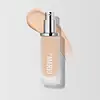
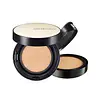
Makeup by Mario Surrealskin Natural Finish Foundation Versus Jung Saem Mool Essential Skin Nuder Cushion


What's inside
What's inside
 Key Ingredients
Benefits
Concerns
Ingredients Side-by-side
Water
Skin ConditioningDimethicone
Emollient

Caprylic/Capric Triglyceride
Masking


Methyl Trimethicone
Skin Conditioning
Lauryl Dimethicone
Skin Conditioning
Lauryl PEG-10 Tris(Trimethylsiloxy)Silylethyl Dimethicone
Emulsifying
Butylene Glycol
Humectant
Glycerin
Humectant
Trimethylsiloxysilicate
Emollient
Cellulose
Absorbent
C13-15 Alkane
SolventSd Alcohol 40-B
Astringent


Sorbitan Isostearate
Emulsifying

Aluminum/Magnesium Hydroxide Stearate
Emulsion StabilisingDimethicone/Vinyl Dimethicone Crosspolymer
Skin Conditioning
Sodium Chloride
MaskingTriethoxycaprylylsilane
Ethylhexylglycerin
Skin ConditioningPotassium Sorbate
Preservative
Sodium Benzoate
Masking
Sodium Dehydroacetate
Preservative
Tocopheryl Acetate
Antioxidant


Phytic Acid


Tocopherol
Antioxidant

Rubus Idaeus Leaf Extract
Skin ConditioningIron Oxides
CI 77891
Cosmetic ColorantWater, Dimethicone, Caprylic/Capric Triglyceride, Methyl Trimethicone, Lauryl Dimethicone, Lauryl PEG-10 Tris(Trimethylsiloxy)Silylethyl Dimethicone, Butylene Glycol, Glycerin, Trimethylsiloxysilicate, Cellulose, C13-15 Alkane, Sd Alcohol 40-B, Sorbitan Isostearate, Aluminum/Magnesium Hydroxide Stearate, Dimethicone/Vinyl Dimethicone Crosspolymer, Sodium Chloride, Triethoxycaprylylsilane, Ethylhexylglycerin, Potassium Sorbate, Sodium Benzoate, Sodium Dehydroacetate, Tocopheryl Acetate, Phytic Acid, Tocopherol, Rubus Idaeus Leaf Extract, Iron Oxides, CI 77891
Water
Skin ConditioningCI 77891
Cosmetic ColorantCyclopentasiloxane
Emollient
Ethylhexyl Methoxycinnamate
UV Absorber


Trimethylsiloxysilicate
Emollient
Ethylhexyl Salicylate
UV Absorber
Glycerin
Humectant
Butylene Glycol
Humectant
PEG-10 Dimethicone
Skin Conditioning
Cetyl Ethylhexanoate
EmollientNiacinamide
Smoothing




Pentylene Glycol
Skin Conditioning
Trisiloxane
Skin Conditioning
CI 77492
Cosmetic ColorantDimethicone
Emollient
Hydrogenated Coconut Oil
Emollient


Caprylyl Methicone
Skin Conditioning
Polypropylsilsesquioxane
Vp/Hexadecene Copolymer
Isododecane
EmollientMagnesium Sulfate
Acrylates/Dimethicone Copolymer
Skin Conditioning
Disteardimonium Hectorite
StabilisingCetyl PEG/PPG-10/1 Dimethicone
Emulsifying
Stearic Acid
Cleansing
Alumina
Abrasive
Aluminum Hydroxide
EmollientSynthetic Fluorphlogopite
Triethoxycaprylylsilane
Ethylhexylglycerin
Skin ConditioningDimethicone Crosspolymer
Emulsion Stabilising
Adenosine
Skin Conditioning
Trisodium Ethylenediamine Disuccinate
Pentaerythrityl Tetra-Di-T-Butyl Hydroxyhydrocinnamate
Antioxidant
Phenoxyethanol
Preservative
Parfum
Masking

CI 77491
Cosmetic ColorantCI 77499
Cosmetic ColorantMica
Cosmetic ColorantWater, CI 77891, Cyclopentasiloxane, Ethylhexyl Methoxycinnamate, Trimethylsiloxysilicate, Ethylhexyl Salicylate, Glycerin, Butylene Glycol, PEG-10 Dimethicone, Cetyl Ethylhexanoate, Niacinamide, Pentylene Glycol, Trisiloxane, CI 77492, Dimethicone, Hydrogenated Coconut Oil, Caprylyl Methicone, Polypropylsilsesquioxane, Vp/Hexadecene Copolymer, Isododecane, Magnesium Sulfate, Acrylates/Dimethicone Copolymer, Disteardimonium Hectorite, Cetyl PEG/PPG-10/1 Dimethicone, Stearic Acid, Alumina, Aluminum Hydroxide, Synthetic Fluorphlogopite, Triethoxycaprylylsilane, Ethylhexylglycerin, Dimethicone Crosspolymer, Adenosine, Trisodium Ethylenediamine Disuccinate, Pentaerythrityl Tetra-Di-T-Butyl Hydroxyhydrocinnamate, Phenoxyethanol, Parfum, CI 77491, CI 77499, Mica
Reviews
Ingredients Explained
These ingredients are found in both products.
Ingredients higher up in an ingredient list are typically present in a larger amount.
Butylene Glycol (or BG) is used within cosmetic products for a few different reasons:
Overall, Butylene Glycol is a safe and well-rounded ingredient that works well with other ingredients.
Though this ingredient works well with most skin types, some people with sensitive skin may experience a reaction such as allergic rashes, closed comedones, or itchiness.
Learn more about Butylene GlycolCi 77891 is a white pigment from Titanium dioxide. It is naturally found in minerals such as rutile and ilmenite.
It's main function is to add a white color to cosmetics. It can also be mixed with other colors to create different shades.
Ci 77891 is commonly found in sunscreens due to its ability to block UV rays.
Learn more about CI 77891Dimethicone is a type of synthetic silicone created from natural materials such as quartz. It is also known as polydimethylsiloxane.
What it does:
Dimethicone comes in different viscosities:
Depending on the viscosity, dimethicone has different properties.
Ingredients lists don't always show which type is used, so we recommend reaching out to the brand if you have questions about the viscosity.
This ingredient is unlikely to cause irritation because it does not get absorbed into skin. However, people with silicone allergies should be careful about using this ingredient.
Note: Dimethicone may contribute to pilling. This is because it is not oil or water soluble, so pilling may occur when layered with products. When mixed with heavy oils in a formula, the outcome is also quite greasy.
Learn more about DimethiconeEthylhexylglycerin is created from glycerin. It is a multitasker ingredient that:
The CIR Expert Panel found minimal skin absorption or sensitization of any kind in a safety assessment. Though this ingredient is considered well-tolerated, a small number of cases of allergic dermatitis have been published since 2002. Just be sure to patch test if you are unsure.
Industry-reported use ranges from 8% in rinse-off products and 2% in leave-on formulations.
Learn more about EthylhexylglycerinGlycerin (or glycerol) is a compound naturally found in your skin. It's a powerhouse humectant that pulls water into the stratum corneum.
Topically, glycerin does several things at once:
Your skin makes glycerin on its own (mostly from sebaceous oil breakdown) and shuttles it to your outermost layer of skin, or your epidermis, via aquaporin-3.
Aquaporin-3 is a transporter that is essential for normal skin hydration, elasticity, and repair. Interestingly, mice lacking in AQP3 have dry and less elastic skin that can be fully corrected with glycerin.
This ingredient is non-irritating, plays well with almost every ingredient, and works across all skin types. Typical use is anywhere between 3-10% but can go up to 79% in some leave-on products.
Just know very high concentrations (>40%) can feel tacky in low humidity.
Glycerin is the name for this ingredient in American English. British English uses Glycerol/Glycerine.
Learn more about GlycerinTriethoxycaprylylsilane is a silicon-based surface modifier that makes sunscreens feel silky and makeup stay put.
Its main job is to coat mineral particles like titanium dioxide, zinc oxide, and color pigments in a thin, oily layer so they spread smoothly, don't clump, and stick to skin better.
This ingredient is typically used at low levels (up to 2.5% in eyeshadow and 1% in lipstick).
Learn more about TriethoxycaprylylsilaneThis silicone is an emollient. Emollients create a thin film on the skin to prevent moisture from escaping.
It is not soluble in water and helps increase water-resistance in products.
According to a manufacturer, it can blend seamlessly with silicone oils, such as Cyclopentasiloxane.
Learn more about TrimethylsiloxysilicateWater. It's the most common cosmetic ingredient of all. You'll usually see it at the top of ingredient lists, meaning that it makes up the largest part of the product.
So why is it so popular? Water most often acts as a solvent - this means that it helps dissolve other ingredients into the formulation.
You'll also recognize water as that liquid we all need to stay alive. If you see this, drink a glass of water. Remember to stay hydrated!
Learn more about Water

