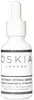
This anti-aging serum is formulated around Niacinamide and Tripeptide-29 to soften the look of wrinkles.
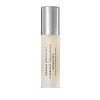
This hydrating serum is formulated around Niacinamide and Panthenol to hydrate skin and strengthen the skin barrier.


What's inside
What's inside
 Key Ingredients
Benefits
Concerns
Ingredients Side-by-side
Water
Skin ConditioningAloe Barbadensis Leaf Juice
Skin Conditioning


Glycerin
Humectant

Niacinamide
Smoothing







Propanediol
Solvent
Rice Amino Acids
Skin Conditioning

Proline
Skin Conditioning
Phospholipids
Skin Conditioning
Tripeptide-29
Skin Conditioning
Sodium Hyaluronate
Humectant
Hydrolyzed Vegetable Protein
Skin ConditioningHexapeptide-10
Humectant
Hydrolyzed Soy Protein
Humectant
Chondrus Crispus Extract
Skin Conditioning

Avena Sativa Kernel Extract
Abrasive

Salix Alba Bark Extract
Astringent
Calanthe Discolor Extract
Skin ConditioningSaccharomyces Lysate Extract
Humectant
Ubiquinone
Antioxidant
Camellia Sinensis Leaf Extract
Antimicrobial
Zingiber Officinale Root Extract
Masking
Artemisia Umbelliformis Extract
Skin ConditioningHydrolyzed Adansonia Digitata Seed Extract
Panthenol
Skin Conditioning
Xanthan Gum
EmulsifyingPalmitoyl Dipeptide-5 Diaminobutyroyl Hydroxythreonine
Skin Conditioning
Palmitoyl Dipeptide-5 Diaminohydroxybutyrate
Skin Conditioning
Dimethyl Sulfone
SolventLeuconostoc/Radish Root Ferment Filtrate
Antimicrobial
Citric Acid
Buffering
Calcium Gluconate
HumectantPotassium Sorbate
Preservative
Gluconolactone
Chelating
Water, Aloe Barbadensis Leaf Juice, Glycerin, Niacinamide, Propanediol, Rice Amino Acids, Proline, Phospholipids, Tripeptide-29, Sodium Hyaluronate, Hydrolyzed Vegetable Protein, Hexapeptide-10, Hydrolyzed Soy Protein, Chondrus Crispus Extract, Avena Sativa Kernel Extract, Salix Alba Bark Extract, Calanthe Discolor Extract, Saccharomyces Lysate Extract, Ubiquinone, Camellia Sinensis Leaf Extract, Zingiber Officinale Root Extract, Artemisia Umbelliformis Extract, Hydrolyzed Adansonia Digitata Seed Extract, Panthenol, Xanthan Gum, Palmitoyl Dipeptide-5 Diaminobutyroyl Hydroxythreonine, Palmitoyl Dipeptide-5 Diaminohydroxybutyrate, Dimethyl Sulfone, Leuconostoc/Radish Root Ferment Filtrate, Citric Acid, Calcium Gluconate, Potassium Sorbate, Gluconolactone
Lavandula Angustifolia Flower Water
Skin Conditioning
Water
Skin ConditioningGlycerin
Humectant
Dimethyl Sulfone
SolventNiacinamide
Smoothing
Panthenol
Skin Conditioning
Acetyl Glucosamine
Skin Conditioning
Leuconostoc/Radish Root Ferment Filtrate
Antimicrobial
Gluconolactone
Chelating
Sodium Hyaluronate
Humectant
Avena Sativa Kernel Extract
Abrasive
Calcium Ketogluconate
Skin ConditioningBetaine
Humectant
Sodium Gluconate
ChelatingSodium Chloride
MaskingSodium PCA
Humectant
Bisabolol
Antioxidant
Aesculus Hippocastanum Seed Extract
Skin ConditioningButyrospermum Parkii Butter
Skin Conditioning
Potassium Chloride
Pentapeptide-59
Skin Conditioning
Polyglutamic Acid
Skin Conditioning
PCA
Humectant
Sodium Lactate
Buffering
Serine
Masking
Alanine
Masking
Glycine
Buffering
Glutamic Acid
Humectant
Lysine Hcl
Skin Conditioning
Threonine
Arginine
Masking
Proline
Skin Conditioning
Inulin Lauryl Carbamate
Emulsion StabilisingSclerotium Gum
Emulsion StabilisingHydrogenated Lecithin
Emulsifying
Pullulan
Silica
Abrasive
Maltodextrin
Absorbent
Citric Acid
Buffering
Sodium Benzoate
Masking
Xanthan Gum
EmulsifyingLecithin
Emollient
Sodium Hydroxide
BufferingEthylhexylglycerin
Skin ConditioningPotassium Sorbate
Preservative
Alcohol
Antimicrobial

Phenethyl Alcohol
MaskingLavandula Angustifolia Flower Water, Water, Glycerin, Dimethyl Sulfone, Niacinamide, Panthenol, Acetyl Glucosamine, Leuconostoc/Radish Root Ferment Filtrate, Gluconolactone, Sodium Hyaluronate, Avena Sativa Kernel Extract, Calcium Ketogluconate, Betaine, Sodium Gluconate, Sodium Chloride, Sodium PCA, Bisabolol, Aesculus Hippocastanum Seed Extract, Butyrospermum Parkii Butter, Potassium Chloride, Pentapeptide-59, Polyglutamic Acid, PCA, Sodium Lactate, Serine, Alanine, Glycine, Glutamic Acid, Lysine Hcl, Threonine, Arginine, Proline, Inulin Lauryl Carbamate, Sclerotium Gum, Hydrogenated Lecithin, Pullulan, Silica, Maltodextrin, Citric Acid, Sodium Benzoate, Xanthan Gum, Lecithin, Sodium Hydroxide, Ethylhexylglycerin, Potassium Sorbate, Alcohol, Phenethyl Alcohol
Ingredients Explained
These ingredients are found in both products.
Ingredients higher up in an ingredient list are typically present in a larger amount.
Avena Sativa Kernel Extract is is derived from colloidal oatmeal. Besides being a healthy breakfast, oats have many benefits in skincare too.
This ingredient helps sooth, hydrate, and protect the skin. The starches in colloidal oatmeal are able to bind water, keeping the skin hydrated.
The cellulose and fiber in colloidal oatmeal help reduce inflammation. This can also help the skin feel softer.
Colloidal Oatmeal is also an antioxidant. Antioxidants protect our skin from free-radical damage.
Oatmeal also contains beneficial compounds:
This ingredient is created by mixing grounded oatmeal and a liquid base.
Learn more about Avena Sativa Kernel ExtractCitric Acid is an alpha hydroxy acid (AHA) naturally found in citrus fruits like oranges, lemons, and limes.
Like other AHAs, citric acid can exfoliate skin by breaking down the bonds that hold dead skin cells together. This helps reveal smoother and brighter skin underneath.
However, this exfoliating effect only happens at high concentrations (20%) which can be hard to find in cosmetic products.
Due to this, citric acid is usually included in small amounts as a pH adjuster. This helps keep products slightly more acidic and compatible with skin's natural pH.
In skincare formulas, citric acid can:
While it can provide some skin benefits, research shows lactic acid and glycolic acid are generally more effective and less irritating exfoliants.
Most citric acid used in skincare today is made by fermenting sugars (usually from molasses). This synthetic version is identical to the natural citrus form but easier to stabilize and use in formulations.
Rosacea skin has a lower threshold for acids generally, with 62.5% of rosacea subjects in one study reacting to lactic acid in a sting test. This is why we mark citric acid as a potential rosacea trigger.
However, this ingredient shows up as a pH adjuster or chelator at roughly 0.1-1% in many products. These low levels are unlikely to be an issue for rosacea skin and becomes a potential trigger at exfoliating concentrations (20%). Because everybody's skin is unique, we recommend a patch test if you are unsure.
Learn more about Citric AcidDimethyl Sulfone is an organic compound that naturally contains sulfur. It is used as a solvent due to its stability. Solvents help mix and stabilize other ingredients.
Studies show taking Dimethyl Sulfone (also known as methylsulfonylmethane or MSM) orally may help reduce the depth of wrinkles. We recommend speaking with a professional if you have any questions or concerns about this ingredient.
Gluconolactone is a PHA. PHAs are a great gentle alternative to traditional AHAs.
When applied, Gluconolactone has the same affect on skin as AHAs such as lactic acid. It helps dissolve the dead skin cells in the top layer of your skin. This improves texture and brightens the skin.
PHAs are more gentle than AHAs due to their larger structure. They do not penetrate as deeply as AHAs and take a longer time to dissolve dead cells. Studies show PHAs do not cause as much irritation.
Gluconolactone has some interesting properties:
In a 2004 study, Gluconolactone was found to prevent UV damage in mouse skin cells and has not been found to increase sun sensitivity. However, we still recommend wearing SPF daily.
This ingredient is is an created by reacting gluconic acid with an alcohol.
Learn more about GluconolactoneGlycerin (or glycerol) is a compound naturally found in your skin. It's a powerhouse humectant that pulls water into the stratum corneum.
Topically, glycerin does several things at once:
Your skin makes glycerin on its own (mostly from sebaceous oil breakdown) and shuttles it to your outermost layer of skin, or your epidermis, via aquaporin-3.
Aquaporin-3 is a transporter that is essential for normal skin hydration, elasticity, and repair. Interestingly, mice lacking in AQP3 have dry and less elastic skin that can be fully corrected with glycerin.
This ingredient is non-irritating, plays well with almost every ingredient, and works across all skin types. Typical use is anywhere between 3-10% but can go up to 79% in some leave-on products.
Just know very high concentrations (>40%) can feel tacky in low humidity.
Glycerin is the name for this ingredient in American English. British English uses Glycerol/Glycerine.
Learn more about GlycerinLeuconostoc/Radish Root Ferment Filtrate is a natural preservative. It comes from fermenting radish roots with a bacteria called leuconostoc. The trade name for this ingredient is Leucidal.
Leuconostoc comes from lactic acid.
This ingredient has antimicrobial properties and helps prevent the growth of bacteria in a product.
Leuconostoc is used to make the traditional Korean side-dish, kimchi. It is also used to make sourdough bread (both incredibly yummy foods).
Learn more about Leuconostoc/Radish Root Ferment FiltrateNiacinamide is a multitasking form of vitamin B3 that strengthens the skin barrier, reduces pores and dark spots, regulates oil, and improves signs of aging.
And the best part? It's gentle and well-tolerated by most skin types, including sensitive and reactive skin.
You might have heard of "niacin flush", or the reddening of skin that causes itchiness. Niacinamide has not been found to cause this.
In very rare cases, some individuals may not be able to tolerate niacinamide at all or experience an allergic reaction to it.
If you are experiencing flaking, irritation, and dryness with this ingredient, be sure to double check all your products as this ingredient can be found in all categories of skincare.
When incorporating niacinamide into your routine, look out for concentration amounts. Typically, 5% niacinamide provides benefits such as fading dark spots. However, if you have sensitive skin, it is better to begin with a smaller concentration.
When you apply niacinamide to your skin, your body converts it into nicotinamide adenine dinucleotide (NAD). NAD is an essential coenzyme that is already found in your cells as "fuel" and powers countless biological processes.
In your skin, NAD helps repair cell damage, produce new healthy cells, support collagen production, strengthen the skin barrier, and fight environmental stressors (like UV and pollution).
Our natural NAD levels start to decline with age, leading to slower skin repair, visible aging, and a weaker skin barrier. By providing your skin niacinamide, you're recharging your skin's NAD levels. This leads to stronger, healthier, and younger looking skin.
Another name for vitamin B3 is nicotinamide. This vitamin is water-soluble and our bodies don't store it. We obtain Vitamin B3 from either food or skincare. Meat, fish, wheat, yeast, and leafy greens contain vitamin B3.
The type of niacinamide used in skincare is synthetically created.
Learn more about NiacinamidePanthenol is a common ingredient that helps hydrate and soothe the skin. It is found naturally in our skin and hair.
There are two forms of panthenol: D and L.
D-panthenol is also known as dexpanthenol. Most cosmetics use dexpanthenol or a mixture of D and L-panthenol.
Panthenol is famous due to its ability to go deeper into the skin's layers. Using this ingredient has numerous pros (and no cons):
Like hyaluronic acid, panthenol is a humectant. Humectants are able to bind and hold large amounts of water to keep skin hydrated.
This ingredient works well for wound healing. It works by increasing tissue in the wound and helps close open wounds.
Once oxidized, panthenol converts to pantothenic acid. Panthothenic acid is found in all living cells.
This ingredient is also referred to as pro-vitamin B5.
Learn more about PanthenolPotassium Sorbate is a preservative used to prevent yeast and mold in products. It is commonly found in both cosmetic and food products.
This ingredient comes from potassium salt derived from sorbic acid. Sorbic acid is a natural antibiotic and effective against fungus.
Both potassium sorbate and sorbic acid can be found in baked goods, cheeses, dried meats, dried fruit, ice cream, pickles, wine, yogurt, and more.
You'll often find this ingredient used with other preservatives.
Learn more about Potassium SorbateProline is a non-essential amino acid, meaning your body can make it on its own. In skincare, it is a skin conditioning ingredient that keeps skin soft and hydrated.
It makes up about 23% of the collagen molecule (collagen is the protein responsible for keeping your skin firm) and is involved in your skin's natural hyaluronic acid production. When applied topically, proline can penetrate the skin fairly well due to its small molecular size.
Reviews of this ingredient have found it to be neither a dermal irritant nor a sensitizer.
Fun fact: Proline can be found in protein-rich foods like meat, fish, eggs, and dairy.
Learn more about ProlineSodium Hyaluronate is the salt form of hyaluronic acid. It is a long sugar chain that is naturally found in your skin, joints, and connective tissue that maintains hydration and elasticity.
In skincare, it works as a humectant. It pulls water from the environment and deeper layers of skin and binds it to the surface.
Interestingly, the size of the molecule affects its behavior:
Some clinical evidence links low molecular weight versions to improved wrinkle depth, elasticity, anti-inflammatory effects, and barrier repair.
Many serums use a blend of both weights so you can get surface hydration plus longer-lasting and deeper effects.
You'll typically see concentrations between 0.1-2% for this ingredient.
Learn more about Sodium HyaluronateWater. It's the most common cosmetic ingredient of all. You'll usually see it at the top of ingredient lists, meaning that it makes up the largest part of the product.
So why is it so popular? Water most often acts as a solvent - this means that it helps dissolve other ingredients into the formulation.
You'll also recognize water as that liquid we all need to stay alive. If you see this, drink a glass of water. Remember to stay hydrated!
Learn more about WaterXanthan gum is used as a stabilizer and thickener within cosmetic products. It helps give products a sticky, thick feeling - preventing them from being too runny.
On the technical side of things, xanthan gum is a polysaccharide - a combination consisting of multiple sugar molecules bonded together.
Xanthan gum is a pretty common and great ingredient. It is a natural, non-toxic, non-irritating ingredient that is also commonly used in food products.
Learn more about Xanthan Gum

