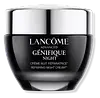
This barrier-repair night moisturizer is formulated around Bifida Ferment Lysate and Ceramide NP to strengthen the skin barrier and soften the look of wrinkles.
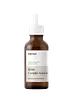
This barrier-repair ampoule is formulated around Bifida Ferment Lysate and Niacinamide to strengthen the skin barrier and soften the look of wrinkles.


What's inside
What's inside
 Key Ingredients
Benefits
Concerns
No concerns
Ingredients Side-by-side
Water
Skin ConditioningBifida Ferment Lysate
Skin Conditioning



Glycerin
Humectant
Dicaprylyl Ether
Emollient
Pentylene Glycol
Skin Conditioning
Polyglyceryl-6 Distearate
Emulsifying

Propanediol
Solvent
Cetyl Esters
Emollient
Jojoba Esters
Emollient
Ammonium Polyacryloyldimethyl Taurate
Emulsion StabilisingBehenyl Alcohol
Emollient
Octyldodecanol
Emollient
Acacia Decurrens Flower Wax
Emollient
Helianthus Annuus Seed Wax
Skin Conditioning
Helianthus Annuus Seed Oil
Emollient
Polymnia Sonchifolia Root Juice
Skin ConditioningCeramide NP
Skin Conditioning

Alpha-Glucan Oligosaccharide
Cleansing
Sodium Hyaluronate
Humectant
Sodium Hydroxide
BufferingSodium Stearoyl Glutamate
CleansingSalicyloyl Phytosphingosine
Skin Conditioning2-Oleamido-1,3-Octadecanediol
Skin ConditioningAdenosine
Skin Conditioning
Mannose
HumectantCoco-Caprylate/Caprate
Emollient
Ascorbyl Glucoside
Antioxidant


Hydroxyacetophenone
Antioxidant
Hydroxypalmitoyl Sphinganine
Skin Conditioning
Hydroxypropyl Starch Phosphate
Capryloyl Salicylic Acid
Exfoliating




Trisodium Ethylenediamine Disuccinate
Lactic Acid
Buffering



Lactobacillus
Skin ConditioningAcetic Acid
BufferingMaltodextrin
Absorbent
Faex Extract
Skin ConditioningPolyglycerin-3
Humectant
Polyglyceryl-3 Beeswax
Emulsifying
Cetyl Alcohol
Emollient
Tocopherol
Antioxidant
Sodium Benzoate
Masking
Linalool
Perfuming

Limonene
Perfuming
Citronellol
Perfuming
Parfum
Masking
Water, Bifida Ferment Lysate, Glycerin, Dicaprylyl Ether, Pentylene Glycol, Polyglyceryl-6 Distearate, Propanediol, Cetyl Esters, Jojoba Esters, Ammonium Polyacryloyldimethyl Taurate, Behenyl Alcohol, Octyldodecanol, Acacia Decurrens Flower Wax, Helianthus Annuus Seed Wax, Helianthus Annuus Seed Oil, Polymnia Sonchifolia Root Juice, Ceramide NP, Alpha-Glucan Oligosaccharide, Sodium Hyaluronate, Sodium Hydroxide, Sodium Stearoyl Glutamate, Salicyloyl Phytosphingosine, 2-Oleamido-1,3-Octadecanediol, Adenosine, Mannose, Coco-Caprylate/Caprate, Ascorbyl Glucoside, Hydroxyacetophenone, Hydroxypalmitoyl Sphinganine, Hydroxypropyl Starch Phosphate, Capryloyl Salicylic Acid, Trisodium Ethylenediamine Disuccinate, Lactic Acid, Lactobacillus, Acetic Acid, Maltodextrin, Faex Extract, Polyglycerin-3, Polyglyceryl-3 Beeswax, Cetyl Alcohol, Tocopherol, Sodium Benzoate, Linalool, Limonene, Citronellol, Parfum
Bifida Ferment Lysate 60%
Skin Conditioning
Lactobacillus/Pumpkin Fruit Ferment Filtrate 30.1%
Skin ConditioningNiacinamide
Smoothing
Butylene Glycol
Humectant
Acetyl Hexapeptide-8
Humectant
Aureobasidium Pullulans Ferment
Skin ConditioningHydrolyzed Algin
Caffeine
Skin Conditioning
Panax Ginseng Root Extract
Emollient
Panax Ginseng Callus Culture Extract
Skin ConditioningGlycerin
Humectant
Epigallocatechin Gallate
Antioxidant
Zanthoxylum Piperitum Fruit Extract
Skin ConditioningPulsatilla Koreana Extract
Skin ConditioningUsnea Barbata Extract
Copper Tripeptide-1
Skin Conditioning
Physalis Alkekengi Fruit Extract
Skin ConditioningMethyl Gluceth-20
Humectant
Sodium Hyaluronate
Humectant
Adenosine
Skin Conditioning
Bifida Ferment Lysate 60%, Lactobacillus/Pumpkin Fruit Ferment Filtrate 30.1%, Niacinamide, Butylene Glycol, Acetyl Hexapeptide-8, Aureobasidium Pullulans Ferment, Hydrolyzed Algin, Caffeine, Panax Ginseng Root Extract, Panax Ginseng Callus Culture Extract, Glycerin, Epigallocatechin Gallate, Zanthoxylum Piperitum Fruit Extract, Pulsatilla Koreana Extract, Usnea Barbata Extract, Copper Tripeptide-1, Physalis Alkekengi Fruit Extract, Methyl Gluceth-20, Sodium Hyaluronate, Adenosine
Reviews
Ingredients Explained
These ingredients are found in both products.
Ingredients higher up in an ingredient list are typically present in a larger amount.
Adenosine is a purine nucleoside that your body already makes in every cell. In skincare, it acts mainly as a skin conditioning and anti-aging agent.
The way it works is fairly well mapped out:
Your skin has cells called fibroblasts that build collagen (the stuff that keeps skin firm and smooth). Adenosine basically flips a switch on these cells that tells them to get to work making more collagen and other proteins. These cells slow down on their own as skin ages, so Adenosine helps give them a little nudge to keep going.
The clinical backing is pretty solid too.
A blind, randomized, placebo-controlled trial of 126 women aged 45-65 tested a 0.1% cream twice daily and found real improvements in crow's feet and frown lines using a precise 3D skin-mapping technique; these changes showed up by week 3 and held at 2 months.
A later study using Adenosine-loaded dissolving microneedle patches reported gains in wrinkle depth, dermal density, elasticity, and hydration.
On concentrations, South Korea's Ministry of Food and Drug Safety has set 0.04% as the approved functional anti-wrinkle level. You'll typically see this ingredient used somewhere in the 0.04-0.1% range since it works at low doses.
This ingredient has been found safe for cosmetics with the data showing no irritation or sensitization.
Overall, this is a great ingredient for any anti-aging routine and has no photosensitizing effect, so it suits both AM and PM use.
Learn more about AdenosineBifida Ferment Lysate is a postbiotic ingredient made by fermenting Bifidobacterium to extract a nutrient-rich mix of peptides, amino acids, vitamins, organic acids, and polysaccharides.
These components are basically the building blocks that your skin already uses to stay hydrated, repair itself, and maintain its barrier. That's why this ingredient helps your skin hold onto moisture and stay resilient against irritation.
One in-vitro study found that this ingredient tells your skin cells to produce more of the proteins (filaggrin, loricrin, and involucrin) for building a strong and healthy barrier. This study also found this ingredient to be a solid antioxidant that helped neutralize damage against UV and pollution.
A study with people from 2010 found that sensitive, reactive skin using a cream with 10% of this ingredient for a month became noticeably less dry, less reactive, and harder to irritate compared to the group using a plain cream.
In short, this ingredient is a well-tolerated ingredient that can help with barrier repair, antioxidant protection, and calming reactive skin.
This ingredient is generally considered fungal acne (Malassezia) safe; Bifidobacterium is a bacterium, not a yeast or fungus.
The fungal acne concern with fermented ingredients mainly applies to yeast-derived ferments like Saccharomyces and Galactomyces, because those are in the same kingdom as Malassezia and could theoretically contain residual compounds that feed it.
Bifida is a completely different organism, so on its own it doesn't provide a food source for the Malassezia yeast that causes fungal acne.
Learn more about Bifida Ferment LysateGlycerin (or glycerol) is a compound naturally found in your skin. It's a powerhouse humectant that pulls water into the stratum corneum.
Topically, glycerin does several things at once:
Your skin makes glycerin on its own (mostly from sebaceous oil breakdown) and shuttles it to your outermost layer of skin, or your epidermis, via aquaporin-3.
Aquaporin-3 is a transporter that is essential for normal skin hydration, elasticity, and repair. Interestingly, mice lacking in AQP3 have dry and less elastic skin that can be fully corrected with glycerin.
This ingredient is non-irritating, plays well with almost every ingredient, and works across all skin types. Typical use is anywhere between 3-10% but can go up to 79% in some leave-on products.
Just know very high concentrations (>40%) can feel tacky in low humidity.
Glycerin is the name for this ingredient in American English. British English uses Glycerol/Glycerine.
Learn more about GlycerinSodium Hyaluronate is the salt form of hyaluronic acid. It is a long sugar chain that is naturally found in your skin, joints, and connective tissue that maintains hydration and elasticity.
In skincare, it works as a humectant. It pulls water from the environment and deeper layers of skin and binds it to the surface.
Interestingly, the size of the molecule affects its behavior:
Some clinical evidence links low molecular weight versions to improved wrinkle depth, elasticity, anti-inflammatory effects, and barrier repair.
Many serums use a blend of both weights so you can get surface hydration plus longer-lasting and deeper effects.
You'll typically see concentrations between 0.1-2% for this ingredient.
Learn more about Sodium Hyaluronate

