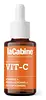
This brightening serum is formulated around Ascorbyl Glucoside and Sodium Hyaluronate to brighten dull-looking skin and fade the look of dark spots.
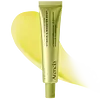
This brightening treatment is formulated around 3-O-Ethyl Ascorbic Acid and Niacinamide to brighten dull-looking skin and fade the look of dark spots.


What's inside
What's inside
 Key Ingredients
Benefits
Concerns
Ingredients Side-by-side
Water
Skin ConditioningPropylene Glycol
Humectant


Glycerin
Humectant

Ascorbyl Glucoside
Antioxidant



Sodium Hyaluronate
Humectant

Kappaphycus Alvarezii Extract
Skin Conditioning
Caesalpinia Spinosa Fruit Extract
Skin ProtectingCaprylyl Glycol
Emollient
Tocopheryl Acetate
Antioxidant
Glycosaminoglycans
EmollientLecithin
Emollient
Polyacrylate-13
Xanthan Gum
EmulsifyingPolyisobutene
Sodium Acrylates Copolymer
Carbomer
Emulsion StabilisingPolysorbate 20
Emulsifying
Sorbitan Isostearate
Emulsifying
Triethanolamine
BufferingBenzoic Acid
Masking
Triethylene Glycol
Masking

Phenoxyethanol
Preservative
Dehydroacetic Acid
Preservative
Phenethyl Alcohol
MaskingWater, Propylene Glycol, Glycerin, Ascorbyl Glucoside, Sodium Hyaluronate, Kappaphycus Alvarezii Extract, Caesalpinia Spinosa Fruit Extract, Caprylyl Glycol, Tocopheryl Acetate, Glycosaminoglycans, Lecithin, Polyacrylate-13, Xanthan Gum, Polyisobutene, Sodium Acrylates Copolymer, Carbomer, Polysorbate 20, Sorbitan Isostearate, Triethanolamine, Benzoic Acid, Triethylene Glycol, Phenoxyethanol, Dehydroacetic Acid, Phenethyl Alcohol
Water
Skin ConditioningGlycerin
Humectant
Methylpropanediol
Solvent3-O-Ethyl Ascorbic Acid
Skin Conditioning

Butylene Glycol
Humectant
Caprylic/Capric Triglyceride
Masking
1,2-Hexanediol
Skin Conditioning
Niacinamide
Smoothing




Cetyl Ethylhexanoate
EmollientCetearyl Olivate
Polyglyceryl-3 Methylglucose Distearate
Emulsifying
Diisostearyl Malate
EmollientSodium Polyacrylate
Absorbent
Acrylates/C10-30 Alkyl Acrylate Crosspolymer
Emulsion StabilisingSorbitan Olivate
Emulsifying
Arginine
Masking
Gardenia Florida Fruit Extract
Skin ConditioningXanthan Gum
EmulsifyingEthylhexylglycerin
Skin ConditioningDextrin
AbsorbentAdenosine
Skin Conditioning
Allantoin
Skin Conditioning
Ascorbic Acid
Antioxidant
Glutathione
Panthenol
Skin Conditioning
Pyridoxine
Skin ConditioningTocopherol
Antioxidant
Ascorbyl Glucoside
Antioxidant
Sodium Ascorbyl Phosphate
Antioxidant
Water, Glycerin, Methylpropanediol, 3-O-Ethyl Ascorbic Acid, Butylene Glycol, Caprylic/Capric Triglyceride, 1,2-Hexanediol, Niacinamide, Cetyl Ethylhexanoate, Cetearyl Olivate, Polyglyceryl-3 Methylglucose Distearate, Diisostearyl Malate, Sodium Polyacrylate, Acrylates/C10-30 Alkyl Acrylate Crosspolymer, Sorbitan Olivate, Arginine, Gardenia Florida Fruit Extract, Xanthan Gum, Ethylhexylglycerin, Dextrin, Adenosine, Allantoin, Ascorbic Acid, Glutathione, Panthenol, Pyridoxine, Tocopherol, Ascorbyl Glucoside, Sodium Ascorbyl Phosphate
Reviews
Ingredients Explained
These ingredients are found in both products.
Ingredients higher up in an ingredient list are typically present in a larger amount.
Ascorbyl Glucoside (AA-2G) is one of the most stable vitamin C derivatives out there.
It's made by attaching a glucose molecule to ascorbic acid; this glucose "cap" shields the vitamin C from air, light, heat, and metal ions that normally cause pure ascorbic acid to oxidize.
Once on your skin, the enzyme alpha-glucosidase snips off the glucose and gradually releases active ascorbic acid right where it's needed. Basically, it behaves like a slow-release pro-vitamin C with less of a stinging that high-strength ascorbic acid can cause.
The research supports the classic vitamin C benefits as well. In lab and human studies, AA-2G slowed down the skin's production of melanin (the pigment behind dark spots) and helped shield skin cells against sun damage better than ascorbyl phosphate.
These studies also showed AA-2G released vitamin C over a longer period.
A frequently cited manufacturer trial found that a 2% AA-2G face cream significantly improved wrinkle depth and skin roughness after 45 days.
And in 2009, a clinical trial showed it meaningfully lightened dark patches on the gums compared to a placebo.
There's also collagen-synthesis support (since vitamin C is a required cofactor for that) and an antioxidant effect too.
Typical usage is usually between 0.5-5% and most studies/products land around 2%.
AA-2G performs best when formulated at a mildly acidic pH (~5-7) which is much gentler than the pH that pure vitamin C demands (~2.5-3.5).
Just one thing worth knowing: the in-skin conversation rate is only about 55-60% by weight. So a 5% AA-2G product delivers roughly 2.75-3% of actual active vitamin C. On top of that, skin absorption is relatively low because the ingredient is water-soluble.
Learn more about Ascorbyl GlucosideGlycerin (or glycerol) is a compound naturally found in your skin. It's a powerhouse humectant that pulls water into the stratum corneum.
Topically, glycerin does several things at once:
Your skin makes glycerin on its own (mostly from sebaceous oil breakdown) and shuttles it to your outermost layer of skin, or your epidermis, via aquaporin-3.
Aquaporin-3 is a transporter that is essential for normal skin hydration, elasticity, and repair. Interestingly, mice lacking in AQP3 have dry and less elastic skin that can be fully corrected with glycerin.
This ingredient is non-irritating, plays well with almost every ingredient, and works across all skin types. Typical use is anywhere between 3-10% but can go up to 79% in some leave-on products.
Just know very high concentrations (>40%) can feel tacky in low humidity.
Glycerin is the name for this ingredient in American English. British English uses Glycerol/Glycerine.
Learn more about GlycerinWater. It's the most common cosmetic ingredient of all. You'll usually see it at the top of ingredient lists, meaning that it makes up the largest part of the product.
So why is it so popular? Water most often acts as a solvent - this means that it helps dissolve other ingredients into the formulation.
You'll also recognize water as that liquid we all need to stay alive. If you see this, drink a glass of water. Remember to stay hydrated!
Learn more about WaterXanthan gum is used as a stabilizer and thickener within cosmetic products. It helps give products a sticky, thick feeling - preventing them from being too runny.
On the technical side of things, xanthan gum is a polysaccharide - a combination consisting of multiple sugar molecules bonded together.
Xanthan gum is a pretty common and great ingredient. It is a natural, non-toxic, non-irritating ingredient that is also commonly used in food products.
Learn more about Xanthan Gum

