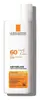
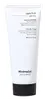
La Roche-Posay Anthelios Ultra Light Face Sunscreen-SPF 60 Versus Minimalist Light Fluid SPF 50 Sunscreen
This chemical sunscreen covers most of the UV range, lighter on the deep UVA that drives aging.
This chemical sunscreen covers the full UV range and blocks ~98% of UVB at SPF 50.


What's inside
What's inside
 Key Ingredients
Benefits
Concerns
Ingredients Side-by-side
Butyl Methoxydibenzoylmethane 3%
UV Absorber
Homosalate 10%
Skin Conditioning
Ethylhexyl Salicylate 5%
UV Absorber
Octocrylene 7%
UV Absorber

Water
Skin ConditioningCyclopentasiloxane
Emollient
Alcohol Denat.
Antimicrobial


Silica
Abrasive


Dicaprylyl Ether
Emollient
Styrene/Acrylates Copolymer
PEG-30 Dipolyhydroxystearate
Emulsifying
Dimethicone
Emollient
Cyclohexasiloxane
Emollient
Polymethylsilsesquioxane
Nylon-12
Dicaprylyl Carbonate
EmollientDiethylhexyl Syringylidenemalonate
Skin Protecting
Phenoxyethanol
Preservative
Lauryl PEG/PPG-18/18 Methicone
Skin Conditioning
Sodium Chloride
MaskingCaprylyl Glycol
Emollient
PEG-8 Laurate
Emulsifying
Isostearyl Alcohol
Emollient
Poly C10-30 Alkyl Acrylate
Emulsion StabilisingDisteardimonium Hectorite
StabilisingP-Anisic Acid
MaskingCaprylic/Capric Triglyceride
Masking

Disodium EDTA
ChelatingCassia Alata Leaf Extract
AstringentPropylene Carbonate
SolventSodium Dodecylbenzenesulfonate
CleansingTocopherol
Antioxidant





Butyl Methoxydibenzoylmethane 3%, Homosalate 10%, Ethylhexyl Salicylate 5%, Octocrylene 7%, Water, Cyclopentasiloxane, Alcohol Denat., Silica, Dicaprylyl Ether, Styrene/Acrylates Copolymer, PEG-30 Dipolyhydroxystearate, Dimethicone, Cyclohexasiloxane, Polymethylsilsesquioxane, Nylon-12, Dicaprylyl Carbonate, Diethylhexyl Syringylidenemalonate, Phenoxyethanol, Lauryl PEG/PPG-18/18 Methicone, Sodium Chloride, Caprylyl Glycol, PEG-8 Laurate, Isostearyl Alcohol, Poly C10-30 Alkyl Acrylate, Disteardimonium Hectorite, P-Anisic Acid, Caprylic/Capric Triglyceride, Disodium EDTA, Cassia Alata Leaf Extract, Propylene Carbonate, Sodium Dodecylbenzenesulfonate, Tocopherol
Water
Skin ConditioningEthylhexyl Methoxycinnamate
UV Absorber
Diethylamino Hydroxybenzoyl Hexyl Benzoate
UV Filter
Dimethicone
Emollient
Ethoxydiglycol
HumectantMethylene Bis-Benzotriazolyl Tetramethylbutylphenol
UV Filter
Diisopropyl Sebacate
EmollientPropylene Glycol Dicaprylate/Dicaprate
EmollientC12-15 Alkyl Benzoate
AntimicrobialDiisopropyl Adipate
EmollientCyclopentasiloxane
Emollient
Polymethylsilsesquioxane
Vp/Eicosene Copolymer
Isododecane
EmollientPentylene Glycol
Skin Conditioning
Acrylates/Polytrimethylsiloxymethacrylate Copolymer
Skin ConditioningPotassium Cetyl Phosphate
EmulsifyingPhenoxyethanol
Preservative
Acrylates/C10-30 Alkyl Acrylate Crosspolymer
Emulsion StabilisingCarbomer
Emulsion StabilisingPolyacrylate Crosspolymer-6
Emulsion StabilisingEthylhexylglycerin
Skin ConditioningButylene Glycol
Humectant
Sodium Hydroxide
BufferingCaprylyl Methicone
Skin Conditioning
Dimethicone Crosspolymer
Emulsion Stabilising
Decyl Glucoside
Cleansing
Trisodium Ethylenediamine Disuccinate
ChelatingPEG-12 Dimethicone/PPG-20 Crosspolymer
Propylene Glycol
Humectant
Xanthan Gum
EmulsifyingWater, Ethylhexyl Methoxycinnamate, Diethylamino Hydroxybenzoyl Hexyl Benzoate, Dimethicone, Ethoxydiglycol, Methylene Bis-Benzotriazolyl Tetramethylbutylphenol, Diisopropyl Sebacate, Propylene Glycol Dicaprylate/Dicaprate, C12-15 Alkyl Benzoate, Diisopropyl Adipate, Cyclopentasiloxane, Polymethylsilsesquioxane, Vp/Eicosene Copolymer, Isododecane, Pentylene Glycol, Acrylates/Polytrimethylsiloxymethacrylate Copolymer, Potassium Cetyl Phosphate, Phenoxyethanol, Acrylates/C10-30 Alkyl Acrylate Crosspolymer, Carbomer, Polyacrylate Crosspolymer-6, Ethylhexylglycerin, Butylene Glycol, Sodium Hydroxide, Caprylyl Methicone, Dimethicone Crosspolymer, Decyl Glucoside, Trisodium Ethylenediamine Disuccinate, PEG-12 Dimethicone/PPG-20 Crosspolymer, Propylene Glycol, Xanthan Gum
Reviews
Ingredients Explained
These ingredients are found in both products.
Ingredients higher up in an ingredient list are typically present in a larger amount.
Cyclopentasiloxane (D5) is a lightweight silicone that mostly acts as an emollient and solvent in cosmetics. Its the reason your products feel silky, fast-spreading, and non-greasy.
Since D5 is volatile, it does its thing and then evaporates off the skin quickly.
The safety profile of this ingredient is reassuring; the US CIR Expert Panel concluded D5 is safe as used in cosmetics and Health Canada concluded that D5 is not harmful to human health or the environment as currently used in cosmetics
There's a study that people mention about D5 in a rat study showing tumors. This study is related to long-term inhalation of high D5 levels.
Regulatory bodies have judged this study to be not applicable in topical skincare since skin absorption of D5 is very low and we're not really inhaling huge amounts of D5.
The only restriction for this ingredient is environmental. The European Chemicals Agency (ECHA) restricted D5 in wash-off cosmetics at or above 0.1% due to their persistence in water.
Learn more about CyclopentasiloxaneDimethicone is a type of synthetic silicone created from natural materials such as quartz. It is also known as polydimethylsiloxane.
What it does:
Dimethicone comes in different viscosities:
Depending on the viscosity, dimethicone has different properties.
Ingredients lists don't always show which type is used, so we recommend reaching out to the brand if you have questions about the viscosity.
This ingredient is unlikely to cause irritation because it does not get absorbed into skin. However, people with silicone allergies should be careful about using this ingredient.
Note: Dimethicone may contribute to pilling. This is because it is not oil or water soluble, so pilling may occur when layered with products. When mixed with heavy oils in a formula, the outcome is also quite greasy.
Learn more about DimethiconePhenoxyethanol is one of the most widely used preservatives in skincare (and for good reason!).
It has a large spectrum of antimicrobial activity and especially effective bacteria, yeast, and mold while only having a weak effect on your skin's natural microbiome.
On a cellular level, it disrupts the cell membranes of microbes by poking holes that make the cell leak. This shuts down the chemical reactions the microbe needs to make energy so it can no longer survive.
Another perk of this ingredient is that it stays functional across a wide pH range (3-10).
You'll often see it paired with boosters like Ethylhexylglycerin; one study showed that a 1:9 ratio of Ethylhexylglycerin to Phenoxyethanol damages bacterial membranes as effectively as doubling the Phenoxyethanol concentration on its own.
Typical use concentrations range from 0.3-1% depending on the formula, and this ingredient is capped at 1% int the EU.
Safety-wise, the fear mongering does not hold up to the evidence. The EU's Scientific Committee on Consumer Safety and FDA consider it safe as a preservative at up to 1%, including for children of all ages.
Adverse systemic effects only showed up in animal studies at exposures roughly 200x higher than what people get from cosmetics. And despite its very widespread use, this ingredient is a rare sensitizer and allergic reactions are uncommon.
Learn more about PhenoxyethanolPolymethylsilsesquioxane is a silicone used as a film forming agent.
When applied to the skin, this ingredient creates an invisible film on the surface. This film still allows oxygen to pass through, but prevents moisture from escaping. This can help condition and hydrate the skin. It also leaves a silky feel when applied.
Polymethylsilsesquioxane has not been shown to clog pores. It has been deemed safe to use up to 55%, but most cosmetics use much less.
If you have concerns about using this ingredient, we recommend speaking with a professional.
Learn more about PolymethylsilsesquioxaneWater. It's the most common cosmetic ingredient of all. You'll usually see it at the top of ingredient lists, meaning that it makes up the largest part of the product.
So why is it so popular? Water most often acts as a solvent - this means that it helps dissolve other ingredients into the formulation.
You'll also recognize water as that liquid we all need to stay alive. If you see this, drink a glass of water. Remember to stay hydrated!
Learn more about Water

