La Roche-Posay 10% Pure Vitamin C Serum Versus La Roche-Posay Redermic Vitamin C Anti-Ageing Eye Cream
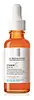
This brightening serum is formulated around Ascorbic Acid and Salicylic Acid to brighten dull-looking skin and refine skin texture.
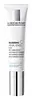
This anti-aging eye moisturizer is formulated around Ascorbic Acid and Madecassoside to soften the look of wrinkles and brighten dull-looking skin.

What's inside
What's inside
 Key Ingredients
Benefits
Concerns
Ingredients Side-by-side
Water
Skin ConditioningAscorbic Acid
Antioxidant






Cyclohexasiloxane
Emollient
Glycerin
Humectant

Alcohol Denat.
Antimicrobial




Potassium Hydroxide
BufferingPolymethylsilsesquioxane
Polysilicone-11

Dimethicone
Emollient
Propylene Glycol
Humectant
Pentaerythrityl Tetraethylhexanoate
Emollient
C13-14 Isoparaffin
Emollient
Tocopherol
Antioxidant

Sodium Hyaluronate
Humectant
Hydrolyzed Hyaluronic Acid
Humectant
Adenosine
Skin Conditioning
Acetyl Dipeptide-1 Cetyl Ester
Skin Conditioning
PEG-20 Methyl Glucose Sesquistearate
Emulsifying
Poloxamer 338
EmulsifyingSalicylic Acid
Masking



Polyacrylamide
Toluene Sulfonic Acid
SurfactantAmmonium Polyacryloyldimethyl Taurate
Emulsion StabilisingXanthan Gum
EmulsifyingCaprylyl Glycol
Emollient
Disodium EDTA
ChelatingBHT
Antioxidant
Laureth-7
EmulsifyingParfum
Masking

Water, Ascorbic Acid, Cyclohexasiloxane, Glycerin, Alcohol Denat., Potassium Hydroxide, Polymethylsilsesquioxane, Polysilicone-11, Dimethicone, Propylene Glycol, Pentaerythrityl Tetraethylhexanoate, C13-14 Isoparaffin, Tocopherol, Sodium Hyaluronate, Hydrolyzed Hyaluronic Acid, Adenosine, Acetyl Dipeptide-1 Cetyl Ester, PEG-20 Methyl Glucose Sesquistearate, Poloxamer 338, Salicylic Acid, Polyacrylamide, Toluene Sulfonic Acid, Ammonium Polyacryloyldimethyl Taurate, Xanthan Gum, Caprylyl Glycol, Disodium EDTA, BHT, Laureth-7, Parfum
Water
Skin ConditioningGlycerin
Humectant
Dimethicone
Emollient
Butyrospermum Parkii Butter
Skin Conditioning
Limnanthes Alba Seed Oil
Skin Conditioning
Ascorbic Acid
Antioxidant
Mannose
HumectantButylene Glycol
Humectant
Paraffinum Liquidum
Emollient
Ammonium Polyacryloyldimethyl Taurate
Emulsion StabilisingCetyl Alcohol
Emollient
Potassium Hydroxide
BufferingPEG-100 Stearate
Surfactant
Glyceryl Stearate
Emollient
Polymethylsilsesquioxane
Paraffin
Skin Conditioning
Microcrystalline Wax
Emulsion StabilisingMadecassoside
Antioxidant
Dimethicone/Vinyl Dimethicone Crosspolymer
Skin Conditioning
Dimethiconol
Emollient
Disodium EDTA
ChelatingPropylene Glycol
Humectant
Hydrolyzed Hyaluronic Acid
Humectant
Caprylyl Glycol
Emollient
Citric Acid
Buffering
Acetyl Dipeptide-1 Cetyl Ester
Skin Conditioning
Xanthan Gum
EmulsifyingToluene Sulfonic Acid
SurfactantPentaerythrityl Tetra-Di-T-Butyl Hydroxyhydrocinnamate
Antioxidant
Phenoxyethanol
Preservative
Water, Glycerin, Dimethicone, Butyrospermum Parkii Butter, Limnanthes Alba Seed Oil, Ascorbic Acid, Mannose, Butylene Glycol, Paraffinum Liquidum, Ammonium Polyacryloyldimethyl Taurate, Cetyl Alcohol, Potassium Hydroxide, PEG-100 Stearate, Glyceryl Stearate, Polymethylsilsesquioxane, Paraffin, Microcrystalline Wax, Madecassoside, Dimethicone/Vinyl Dimethicone Crosspolymer, Dimethiconol, Disodium EDTA, Propylene Glycol, Hydrolyzed Hyaluronic Acid, Caprylyl Glycol, Citric Acid, Acetyl Dipeptide-1 Cetyl Ester, Xanthan Gum, Toluene Sulfonic Acid, Pentaerythrityl Tetra-Di-T-Butyl Hydroxyhydrocinnamate, Phenoxyethanol
Reviews
Ingredients Explained
These ingredients are found in both products.
Ingredients higher up in an ingredient list are typically present in a larger amount.
Acetyl Dipeptide-1 Cetyl Ester is a peptide composed of amino acids arginine and tyrosine.
This peptide is considered a neurotransmitter peptide, meaning it has pain-relieving and relaxing properties. It has the ability to calm skin irritation from external factors such as chemical stinging or heat.
Neurotransmitter peptides are also often called "botox in a bottle". This is because these peptides have the ability to relax the muscles.
Though relaxing the muscles can prevent expression lines (as we have seen in botox), the studies do not show these peptides to be a botox replacement. The effects of this muscle relaxation is also short-term, as opposed to longer-term results from botox.
Learn more about Acetyl Dipeptide-1 Cetyl EsterAmmonium Polyacryloyldimethyl Taurate is a polymer made from ammonium salts. It works as a thickener, emulsifier, and texture enhancer that gives gel-creams a silky, lightweight feel.
This ingredient is versatile and low-maintenance so manufacturers love working with it.
Typical usage levels in cosmetics are usually low and in the range of 0.015 - 2.3%.
Learn more about Ammonium Polyacryloyldimethyl TaurateAscorbic Acid is is pure Vitamin C and is the biologically active form used directly by skin.
Not only is vitamin C great for your overall health and immune system, but it also has plenty of benefits for your skin. It is best supported by academic literature for:
Topical vitamin C has been shown to help neutralize oxidative stress from UV and pollution, helping to improve photoaging and hyperpigmentation when used consistently.
One clinical study found that using 5% topical vitamin C for six months improved signs of photodamaged skin, both on the surface and in the deeper structural layers of the skin.
While vitamin C doesn’t replace sunscreen, studies show it can boost photoprotection when combined with Vitamin E and ferulic acid. These two ingredients help improve stability and protective effects.
The big downside of this ingredient is formulation difficulty. Vitamin C is prone to oxidation and doesn't penetrate the skin unless formulated correctly. Research found that vitamin C absorbs into the skin best at a low pH (< 3.5) with about 20% being the upper limit for effective absorption.
Skin levels can saturate after repeated application; this means your skin won’t keep absorbing more once it’s full of vitamin C. This is why more isn’t always better with vitamin C and why very high concentrations don’t necessarily give extra benefits.
Ascorbic acid generally works well with many skincare ingredients but can be irritating when combined with other active ingredients. Strong oxidizing acne treatments like benzoyl peroxide can reduce the effectiveness of vitamin C if they are used at the same time; they are often recommended for use at different times of day.
Read more about other types of Vitamin C:
Foods rich with vitamin C include oranges, strawberries, broccoli, bell peppers, and more. When consuming Vitamin C, your skin receives a portion of the nutrients.
Learn more about Ascorbic AcidCaprylyl Glycol is a humectant, skin conditioner, emollient, and preservative booster derived from either caprylic acid or synthetically created.
Typical use levels vary from 0.3-1% as a preservative booster and go up to 2% to condition skin.
Because it is not a free-fatty acid, this ingredient is fungal acne safe (there's nothing for Malassezia to feed on).
Learn more about Caprylyl GlycolDimethicone is a type of synthetic silicone created from natural materials such as quartz. It is also known as polydimethylsiloxane.
What it does:
Dimethicone comes in different viscosities:
Depending on the viscosity, dimethicone has different properties.
Ingredients lists don't always show which type is used, so we recommend reaching out to the brand if you have questions about the viscosity.
This ingredient is unlikely to cause irritation because it does not get absorbed into skin. However, people with silicone allergies should be careful about using this ingredient.
Note: Dimethicone may contribute to pilling. This is because it is not oil or water soluble, so pilling may occur when layered with products. When mixed with heavy oils in a formula, the outcome is also quite greasy.
Learn more about DimethiconeDisodium EDTA is a chelating agent. It grabs onto and deactivates metal ions that sneak into your products from water, packaging, or air.
This ingredient mainly works behind the scenes and helps with:
On top of that, this ingredient can counteract the effects of hard water by binding to the minerals in it.
One thing worth knowing is that Disodium EDTA has been shown to be a mild penetration enhancer. It can help other ingredients absorb into skin more effectively which can be a double-edged sword (great for actives, but can also make the active too strong if you have sensitive skin).
Clinical patch testing showed no significant skin irritation at typical use concentrations and minimal dermal absorption.
You'll most likely see this ingredient near the end of an ingredient list. It's typically found in concentrations less than 1%.
Learn more about Disodium EDTAGlycerin (or glycerol) is a compound naturally found in your skin. It's a powerhouse humectant that pulls water into the stratum corneum.
Topically, glycerin does several things at once:
Your skin makes glycerin on its own (mostly from sebaceous oil breakdown) and shuttles it to your outermost layer of skin, or your epidermis, via aquaporin-3.
Aquaporin-3 is a transporter that is essential for normal skin hydration, elasticity, and repair. Interestingly, mice lacking in AQP3 have dry and less elastic skin that can be fully corrected with glycerin.
This ingredient is non-irritating, plays well with almost every ingredient, and works across all skin types. Typical use is anywhere between 3-10% but can go up to 79% in some leave-on products.
Just know very high concentrations (>40%) can feel tacky in low humidity.
Glycerin is the name for this ingredient in American English. British English uses Glycerol/Glycerine.
Learn more about GlycerinHydrolyzed Hyaluronic Acid is hyaluronic acid (HA) that is broken down into lower molecular weight fragments.
It's a humectant that pulls and holds water in the skin to help with hydration, plumpness, and reduce transepidermal water loss.
Because hydrolyzed hyaluronic acid is smaller in size, it can slip past your outermost layer of skin more easily than full-sized HA.
Most formulations will combine all sizes to get the best of both worlds.
Typical usage levels range from 0.01-1%. Any percentage higher than 2% might become goopy and tacky.
Learn more about Hydrolyzed Hyaluronic AcidPolymethylsilsesquioxane is a silicone used as a film forming agent.
When applied to the skin, this ingredient creates an invisible film on the surface. This film still allows oxygen to pass through, but prevents moisture from escaping. This can help condition and hydrate the skin. It also leaves a silky feel when applied.
Polymethylsilsesquioxane has not been shown to clog pores. It has been deemed safe to use up to 55%, but most cosmetics use much less.
If you have concerns about using this ingredient, we recommend speaking with a professional.
Learn more about PolymethylsilsesquioxanePotassium Hydroxide (also known as potash) is a strong alkaline ingredient that does one job: it nudges a product's pH up so the whole formula lands in a skin-friendly range.
It's also the base that turns oils into liquid soap during the soap making process.
An expert safety panel reviewed it and found it safe when formulations are made to be non-irritating.
As a pH adjuster, it's typically used well under 1% though regulatory caps go much higher: 5% in nail cuticle removers and 2-4.5% in hair straighteners.
Though there is some concern for irritation from raw or high pH material, a well-balanced formula will be a non-issue for the vast majority of people.
Learn more about Potassium HydroxidePropylene Glycol is a synthetic, colorless, odorless liquid that has been a staple in cosmetics for decades. It is a skin conditioning agent, humectant, and solvent.
As a humectant, it draw water to the skin to reduce flaking and restore suppleness. It's also a solvent that helps dissolve other actives and keeps formulas stable across temperature changes.
The CIR Expert Panel has confirmed this ingredient to be nontoxic and clinical studies show no sensitization at cosmetic use concentrations.
True allergic reactions are quite rare: a 15-year retrospective study of 6,751 patients found only 0.31% had a positive reaction (and less than half were considered clinically relevant).
It seemed that when sensitization does occur, it's most commonly linked to topical medication (like corticosteroids) and not cosmetics. Allergic contact dermatitis also appears largely limited to individuals with underlying skin conditions.
Overall, propylene glycol is a well-studied ingredient that most people can tolerate without issue.
Learn more about Propylene GlycolWe don't have a description for Toluene Sulfonic Acid yet.
Water. It's the most common cosmetic ingredient of all. You'll usually see it at the top of ingredient lists, meaning that it makes up the largest part of the product.
So why is it so popular? Water most often acts as a solvent - this means that it helps dissolve other ingredients into the formulation.
You'll also recognize water as that liquid we all need to stay alive. If you see this, drink a glass of water. Remember to stay hydrated!
Learn more about WaterXanthan gum is used as a stabilizer and thickener within cosmetic products. It helps give products a sticky, thick feeling - preventing them from being too runny.
On the technical side of things, xanthan gum is a polysaccharide - a combination consisting of multiple sugar molecules bonded together.
Xanthan gum is a pretty common and great ingredient. It is a natural, non-toxic, non-irritating ingredient that is also commonly used in food products.
Learn more about Xanthan Gum

