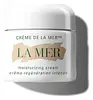
This moisturizer is formulated around Petrolatum and Copper Gluconate to hydrate skin.
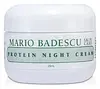
This night moisturizer is formulated around Oryza Sativa Bran Oil and Retinyl Palmitate to hydrate skin.

What's inside
What's inside
 Key Ingredients
Benefits
Concerns
Ingredients Side-by-side
Algae Extract
Emollient

Paraffinum Liquidum
Emollient


Petrolatum
Emollient
Glycerin
Humectant

Isohexadecane
EmollientCera Microcristallina
Emulsion StabilisingLanolin Alcohol
Emollient
Citrus Aurantifolia Peel Extract
Cleansing
Sesamum Indicum Seed Oil
Emollient

Eucalyptus Globulus Leaf Oil
Perfuming

Sesamum Indicum Seed Powder
Skin ConditioningMedicago Sativa Seed Powder
Skin ConditioningHelianthus Annuus Seedcake
Abrasive
Prunus Amygdalus Dulcis Seed Meal
Abrasive
Sodium Gluconate
ChelatingCopper Gluconate
Skin Conditioning
Calcium Gluconate
HumectantMagnesium Gluconate
Skin ConditioningZinc Gluconate
Skin Conditioning



Magnesium Sulfate
Paraffin
Skin Conditioning
Tocopheryl Succinate
Antioxidant
Niacin
SmoothingWater
Skin ConditioningBeta-Carotene
Skin ConditioningDecyl Oleate
Emollient
Aluminum Distearate
Emulsion StabilisingOctyldodecanol
Emollient
Citric Acid
Buffering

Cyanocobalamin
Skin ConditioningMagnesium Stearate
Cosmetic ColorantPanthenol
Skin Conditioning

Zea Mays Oil
Emulsifying
Limonene
Perfuming
Geraniol
Perfuming
Linalool
Perfuming
Hydroxycitronellal
Perfuming
Citronellol
Perfuming
Benzyl Salicylate
Perfuming
Benzyl Benzoate
Antimicrobial
Sodium Benzoate
Masking
Alcohol Denat.
Antimicrobial

Parfum
Masking
Algae Extract, Paraffinum Liquidum, Petrolatum, Glycerin, Isohexadecane, Cera Microcristallina, Lanolin Alcohol, Citrus Aurantifolia Peel Extract, Sesamum Indicum Seed Oil, Eucalyptus Globulus Leaf Oil, Sesamum Indicum Seed Powder, Medicago Sativa Seed Powder, Helianthus Annuus Seedcake, Prunus Amygdalus Dulcis Seed Meal, Sodium Gluconate, Copper Gluconate, Calcium Gluconate, Magnesium Gluconate, Zinc Gluconate, Magnesium Sulfate, Paraffin, Tocopheryl Succinate, Niacin, Water, Beta-Carotene, Decyl Oleate, Aluminum Distearate, Octyldodecanol, Citric Acid, Cyanocobalamin, Magnesium Stearate, Panthenol, Zea Mays Oil, Limonene, Geraniol, Linalool, Hydroxycitronellal, Citronellol, Benzyl Salicylate, Benzyl Benzoate, Sodium Benzoate, Alcohol Denat., Parfum
Water
Skin ConditioningPetrolatum
Emollient
Oryza Sativa Bran Oil
Emollient
Glycerin
Humectant
Ethylhexyl Palmitate
Emollient
Cetyl Alcohol
Emollient
C10-30 Cholesterol/Lanosterol Esters
Emulsifying
Cera Alba
Emollient
Dimethicone
Emollient
Olus Oil
Emollient
Stearic Acid
Cleansing
Propylene Glycol
Humectant
Oligopeptide-5
Skin Conditioning
Retinyl Palmitate
Skin Conditioning

Soluble Collagen
Humectant
Zea Mays Oil
Emulsifying
Sodium Borate
BufferingTriethanolamine
BufferingDiazolidinyl Urea
Preservative
Sodium Benzoate
Masking
Propylparaben
Preservative

Methylparaben
Preservative
Glyceryl Acrylate/Acrylic Acid Copolymer
HumectantParfum
Masking
Phenoxyethanol
Preservative
Tocopherol
Antioxidant
Hexyl Cinnamal
Perfuming
Water, Petrolatum, Oryza Sativa Bran Oil, Glycerin, Ethylhexyl Palmitate, Cetyl Alcohol, C10-30 Cholesterol/Lanosterol Esters, Cera Alba, Dimethicone, Olus Oil, Stearic Acid, Propylene Glycol, Oligopeptide-5, Retinyl Palmitate, Soluble Collagen, Zea Mays Oil, Sodium Borate, Triethanolamine, Diazolidinyl Urea, Sodium Benzoate, Propylparaben, Methylparaben, Glyceryl Acrylate/Acrylic Acid Copolymer, Parfum, Phenoxyethanol, Tocopherol, Hexyl Cinnamal
Reviews
Ingredients Explained
These ingredients are found in both products.
Ingredients higher up in an ingredient list are typically present in a larger amount.
Glycerin (or glycerol) is a compound naturally found in your skin. It's a powerhouse humectant that pulls water into the stratum corneum.
Topically, glycerin does several things at once:
Your skin makes glycerin on its own (mostly from sebaceous oil breakdown) and shuttles it to your outermost layer of skin, or your epidermis, via aquaporin-3.
Aquaporin-3 is a transporter that is essential for normal skin hydration, elasticity, and repair. Interestingly, mice lacking in AQP3 have dry and less elastic skin that can be fully corrected with glycerin.
This ingredient is non-irritating, plays well with almost every ingredient, and works across all skin types. Typical use is anywhere between 3-10% but can go up to 79% in some leave-on products.
Just know very high concentrations (>40%) can feel tacky in low humidity.
Glycerin is the name for this ingredient in American English. British English uses Glycerol/Glycerine.
Learn more about GlycerinParfum is a catch-all term for an ingredient or more that is used to give a scent to products.
Also called "fragrance", this ingredient can be a blend of hundreds of chemicals or plant oils. This means every product with "fragrance" or "parfum" in the ingredients list is a different mixture.
For instance, Habanolide is a proprietary trade name for a specific aroma chemical. When used as a fragrance ingredient in cosmetics, most aroma chemicals fall under the broad labeling category of “FRAGRANCE” or “PARFUM” according to EU and US regulations.
The term 'parfum' or 'fragrance' is not regulated in many countries. In many cases, it is up to the brand to define this term.
For instance, many brands choose to label themselves as "fragrance-free" because they are not using synthetic fragrances. However, their products may still contain ingredients such as essential oils that are considered a fragrance by INCI standards.
One example is Calendula flower extract. Calendula is an essential oil that still imparts a scent or 'fragrance'.
Depending on the blend, the ingredients in the mixture can cause allergies and sensitivities on the skin. Some ingredients that are known EU allergens include linalool and citronellol.
Parfum can also be used to mask or cover an unpleasant scent.
The bottom line is: not all fragrances/parfum/ingredients are created equally. If you are worried about fragrances, we recommend taking a closer look at an ingredient. And of course, we always recommend speaking with a professional.
Learn more about ParfumPetrolatum is more commonly known as petroleum jelly. It is created by mixing waxes and mineral oils.
This ingredient is effective at reducing water loss by 99%. This is because it is an occlusive. Occlusives create a hydrophobic barrier on the skin to prevent evaporation. This property makes it great for hydrating dry skin.
Pro tip: Use occlusives, such as this ingredient, on damp skin for the best results.
The quality or origin of petrolatum is only known when disclosed by the brand. Most cosmetic petrolatum has gone through several purification stages.
Another benefit of occlusives is it protects your skin against infection or allergies.
Petrolatum is fungal acne safe. It is a hydrocarbon with no fatty acid structure, so Malassezia cannot metabolize it. In-vitro studies support negligible growth stimulation as well.
It's also worth noting that petrolatum has a comedogenic rating of 0. In updated rabbit ear testing (and in human testing), petrolatum was found to be not comedogenic. This means it didn’t promote comedone formation in standard models.
Learn more about PetrolatumSodium Benzoate is a preservative. It's used in both cosmetic and food products to inhibit the growth of mold and bacteria. It is typically produced synthetically.
Both the US FDA and EU Health Committee have approved the use of sodium benzoate. In the US, levels of 0.1% (of the total product) are allowed.
Sodium benzoate works as a preservative by inhibiting the growth of bacteria inside of cells. It prevents the cell from fermenting a type of sugar using an enzyme called phosphofructokinase.
It is the salt of benzoic acid. Foods containing sodium benzoate include soda, salad dressings, condiments, fruit juices, wines, and snack foods.
Studies for using ascorbic acid and sodium benzoate in cosmetics are lacking, especially in skincare routines with multiple steps.
We always recommend speaking with a professional, such as a dermatologist, if you have any concerns.
Learn more about Sodium BenzoateWater. It's the most common cosmetic ingredient of all. You'll usually see it at the top of ingredient lists, meaning that it makes up the largest part of the product.
So why is it so popular? Water most often acts as a solvent - this means that it helps dissolve other ingredients into the formulation.
You'll also recognize water as that liquid we all need to stay alive. If you see this, drink a glass of water. Remember to stay hydrated!
Learn more about WaterYes, this ingredient is corn oil. In skincare, it acts as an emollient, skin conditioner, fragrance ingredient, and emusifier.
Like most plant oils, corn oil is basically a bundle of fatty acids: linoleic (34-62%), oleic (19-49%), palmitic (8-12%) and a bit of stearic.
The ranges of the fatty acids differ so much because it varies batch to batch depending on the cultivar and the growing conditions.
In skincare, it mostly does good plant oil stuff: it softens, sits on the surface to slow water evaporation, and makes formulas feel richer.
Now the honest part. Corn oil isn't studied much in dermatology but we do know it's the go-to vehicle in lab research. So there's decades of research where corn oil was the boring control; it never produced an effect of its own but we also don't have much research on it doing something exciting for your skin.
The one thing worth talking about is linoleic. Acne-prone follicles tend to be low in linoleate and a small study found topical linoleic acid shrank microcomedones by around 25% over a month. That was pure linoleic acid and not corn oil so it should be filed under "promising theory" rather than "proven benefit".
Concentration use can be anywhere from trace amounts to about 14% (the high end shows up in cleansers, moisturizers, body creams, and masks). Corn germ oil, which is basically the same ingredient under a different INCI name, has been reported as high as 25% but most of the time you're looking at low single digits.
Corn oil itself isn't a common allergen. Allergies to actual corn are triggered by corn proteins which is mostly refined out of the oil for cosmetic use. How much of the protein removed depends on the manufacturing process, so it's always better to patch test just in case.
This ingredient does have a comedogenic rating of 0-3, but this doesn't mean a formula with this ingredient will clog pores.
Human testing has proved that any finished product with this ingredient won't automatically make you break out; it really comes down to concentration, formula, and your skin.
The Malassezia yeast can't make its own fatty acids and breaks down oils around it to feed. Lab research shows the yeast grows when fatty acids in the C11-C24 range are available. Since corn oil is almost entirely C16-C18 fatty acids, this ingredient may not be fungal acne safe.
Learn more about Zea Mays Oil

