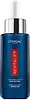
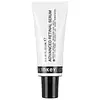
L'Oreal Revitalift Derm Intensives Night Serum with 0.3% Pure Retinol Versus The INKEY List Advanced Retinal Serum
This anti-aging serum is formulated around Retinol to soften the look of wrinkles and refine skin texture.
This anti-aging serum is formulated around 4-T-Butylcyclohexanol and Retinal to soften the look of wrinkles and refine skin texture.


What's inside
What's inside
 Key Ingredients
Benefits
Concerns
Ingredients Side-by-side
Water
Skin ConditioningGlycerin
Humectant


Alcohol Denat.
Antimicrobial




Glycine Soja Oil
Emollient





Isononyl Isononanoate
EmollientPentylene Glycol
Skin Conditioning
Dicaprylyl Ether
Emollient
Propylene Glycol
Humectant
PEG-6 Caprylic/Capric Glycerides
EmulsifyingPPG-6-Decyltetradeceth-30
EmulsifyingDicaprylyl Carbonate
EmollientGlyceryl Isostearate
Emollient
Sodium Hyaluronate
Humectant


Retinol
Skin Conditioning





Ammonium Polyacryloyldimethyl Taurate
Emulsion StabilisingCaprylyl Glycol
Emollient
Citric Acid
Buffering
Trisodium Ethylenediamine Disuccinate
ChelatingXanthan Gum
EmulsifyingButylene Glycol
Humectant
Tocopherol
Antioxidant

Pentaerythrityl Tetra-Di-T-Butyl Hydroxyhydrocinnamate
Antioxidant
Ceramide AP
Skin Conditioning
Water, Glycerin, Alcohol Denat., Glycine Soja Oil, Isononyl Isononanoate, Pentylene Glycol, Dicaprylyl Ether, Propylene Glycol, PEG-6 Caprylic/Capric Glycerides, PPG-6-Decyltetradeceth-30, Dicaprylyl Carbonate, Glyceryl Isostearate, Sodium Hyaluronate, Retinol, Ammonium Polyacryloyldimethyl Taurate, Caprylyl Glycol, Citric Acid, Trisodium Ethylenediamine Disuccinate, Xanthan Gum, Butylene Glycol, Tocopherol, Pentaerythrityl Tetra-Di-T-Butyl Hydroxyhydrocinnamate, Ceramide AP
Water
Skin ConditioningGlycerin
Humectant
Caprylic/Capric Triglyceride
Masking
Dicaprylyl Carbonate
EmollientPolyglyceryl-6 Stearate
Emollient
Isohexadecane
EmollientSodium Polyacryloyldimethyl Taurate
Emulsion StabilisingCetearyl Alcohol
Emollient
Mangifera Indica Seed Butter
Skin Conditioning
Cucumis Sativus Fruit Extract
Emollient
Phenoxyethanol
Preservative
Dipropylene Glycol
HumectantPentylene Glycol
Skin Conditioning
Glyceryl Caprylate
EmollientDiisopropyl Sebacate
EmollientGlyceryl Stearate
Emollient
4-T-Butylcyclohexanol
Masking

Polyglyceryl-6 Behenate
Emulsion Stabilising
Retinal
Skin Conditioning
Sorbeth-30 Tetraoleate
Emulsifying
Tocophersolan
Antioxidant
Tocopheryl Acetate
Antioxidant
Caprylhydroxamic Acid
ChelatingEthylhexylglycerin
Skin ConditioningBacillus Ferment
Skin Conditioning
Lactic Acid
Buffering
Sodium Benzoate
Masking
Dimethylmethoxy Chromanol
Antioxidant
Water, Glycerin, Caprylic/Capric Triglyceride, Dicaprylyl Carbonate, Polyglyceryl-6 Stearate, Isohexadecane, Sodium Polyacryloyldimethyl Taurate, Cetearyl Alcohol, Mangifera Indica Seed Butter, Cucumis Sativus Fruit Extract, Phenoxyethanol, Dipropylene Glycol, Pentylene Glycol, Glyceryl Caprylate, Diisopropyl Sebacate, Glyceryl Stearate, 4-T-Butylcyclohexanol, Polyglyceryl-6 Behenate, Retinal, Sorbeth-30 Tetraoleate, Tocophersolan, Tocopheryl Acetate, Caprylhydroxamic Acid, Ethylhexylglycerin, Bacillus Ferment, Lactic Acid, Sodium Benzoate, Dimethylmethoxy Chromanol
Reviews
Ingredients Explained
These ingredients are found in both products.
Ingredients higher up in an ingredient list are typically present in a larger amount.
Dicaprylyl Carbonate comes from carbonic acid and caprylyl alcohol, a fatty alcohol. It is an emollient and gives skin a velvet feel. The sources of Dicaprylyl Carbonate may be synthetic or from animals.
As an emollient, Dicaprylyl Carbonate creates a film on the skin. This film traps moisture in, keeping your skin soft and hydrated.
Glycerin (or glycerol) is a compound naturally found in your skin. It's a powerhouse humectant that pulls water into the stratum corneum.
Topically, glycerin does several things at once:
Your skin makes glycerin on its own (mostly from sebaceous oil breakdown) and shuttles it to your outermost layer of skin, or your epidermis, via aquaporin-3.
Aquaporin-3 is a transporter that is essential for normal skin hydration, elasticity, and repair. Interestingly, mice lacking in AQP3 have dry and less elastic skin that can be fully corrected with glycerin.
This ingredient is non-irritating, plays well with almost every ingredient, and works across all skin types. Typical use is anywhere between 3-10% but can go up to 79% in some leave-on products.
Just know very high concentrations (>40%) can feel tacky in low humidity.
Glycerin is the name for this ingredient in American English. British English uses Glycerol/Glycerine.
Learn more about GlycerinPentylene Glycol (1,2-pentanediol) is a multitasking little diol with three main roles in a formula:
Research on alkanediols (the family pentylene glycol belongs to) show they work by disrupting microbial cell membranes. This disruption helps the primary preservative system in a product work more effectively at lower doses.
On the safety side, the Cosmetic Ingredient Review Expert Panel has concluded this ingredient to be safe as used in current cosmetic practices + concentrations.
Typical use levels in a formula run about 1-5%.
Learn more about Pentylene GlycolWater. It's the most common cosmetic ingredient of all. You'll usually see it at the top of ingredient lists, meaning that it makes up the largest part of the product.
So why is it so popular? Water most often acts as a solvent - this means that it helps dissolve other ingredients into the formulation.
You'll also recognize water as that liquid we all need to stay alive. If you see this, drink a glass of water. Remember to stay hydrated!
Learn more about Water

