L'Oreal Age Perfect Golden Age Rapid Spot Corrector Versus Dr. Brandt Skincare Do Not Age with Dr. Brandt Transforming Pearl Serum
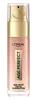
This brightening serum is formulated around Niacinamide and Phenylethyl Resorcinol to fade the look of dark spots and brighten dull-looking skin.
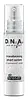
This anti-aging serum is formulated around Sodium Hyaluronate to soften the look of wrinkles and strengthen the skin barrier.


What's inside
What's inside
 Key Ingredients
Benefits
Concerns
Ingredients Side-by-side
Water
Skin ConditioningNiacinamide
Smoothing











Glycerin
Humectant
Alcohol Denat.
Antimicrobial




Hydroxyethylpiperazine Ethane Sulfonic Acid
BufferingDimethicone
Emollient
Isopropyl Lauroyl Sarcosinate
Skin ConditioningOctyldodecanol
Emollient
PEG-20 Methyl Glucose Sesquistearate
Emulsifying
Paeonia Suffruticosa Callus Extract
Antimicrobial
Calcium PCA
Humectant
Citric Acid
Buffering
Phenylethyl Resorcinol
Antioxidant
Sodium Hyaluronate
Humectant
Trisodium Ethylenediamine Disuccinate
ChelatingCetearyl Ethylhexanoate
Emollient
Isopropyl Myristate
Emollient

Acrylamide/Sodium Acryloyldimethyltaurate Copolymer
Emulsion StabilisingAmmonium Polyacryloyldimethyl Taurate
Emulsion StabilisingCI 77891
Cosmetic ColorantIsohexadecane
EmollientMica
Cosmetic ColorantPoloxamer 338
EmulsifyingPolysorbate 80
Emulsifying
Propanediol
Solvent
Silica
Abrasive
Sorbitan Oleate
Emulsifying
Tin Oxide
Abrasive
Tocopherol
Antioxidant
Xanthan Gum
EmulsifyingDimethiconol
Emollient
Benzyl Alcohol
Perfuming



Citronellol
Perfuming
Limonene
Perfuming
Linalool
Perfuming
Phenoxyethanol
Preservative
Parfum
Masking
Water, Niacinamide, Glycerin, Alcohol Denat., Hydroxyethylpiperazine Ethane Sulfonic Acid, Dimethicone, Isopropyl Lauroyl Sarcosinate, Octyldodecanol, PEG-20 Methyl Glucose Sesquistearate, Paeonia Suffruticosa Callus Extract, Calcium PCA, Citric Acid, Phenylethyl Resorcinol, Sodium Hyaluronate, Trisodium Ethylenediamine Disuccinate, Cetearyl Ethylhexanoate, Isopropyl Myristate, Acrylamide/Sodium Acryloyldimethyltaurate Copolymer, Ammonium Polyacryloyldimethyl Taurate, CI 77891, Isohexadecane, Mica, Poloxamer 338, Polysorbate 80, Propanediol, Silica, Sorbitan Oleate, Tin Oxide, Tocopherol, Xanthan Gum, Dimethiconol, Benzyl Alcohol, Citronellol, Limonene, Linalool, Phenoxyethanol, Parfum
Water
Skin ConditioningCaprylic/Capric Triglyceride
Masking
Propanediol
Solvent
Glycerin
Humectant
Pentylene Glycol
Skin Conditioning
Alcohol Denat.
Antimicrobial
Prunus Armeniaca Kernel Oil
Masking
Phenoxyethanol
Preservative
Hydroxyethylpiperazine Ethane Sulfonic Acid
BufferingSodium Hydroxide
BufferingXanthan Gum
EmulsifyingSodium Hyaluronate
Humectant
Hydroxyethylcellulose
Emulsion StabilisingCarrageenan
Algin
MaskingDecarboxy Carnosine Hcl
Skin ConditioningSynthetic Fluorphlogopite
Butylene Glycol
Humectant
Spilanthes Acmella Flower Extract
Skin ConditioningCI 77891
Cosmetic ColorantAlaria Esculenta Extract
Skin Protecting
Geranylgeranylisopropanol
Skin ConditioningSilica
Abrasive
Mica
Cosmetic ColorantSodium Acetate
BufferingBHT
Antioxidant
Sodium Lauryl Sulfate
Cleansing
Cellulose
Absorbent
Citrus Aurantium Dulcis Peel Oil
Masking
Citrus Aurantium Dulcis Fruit Extract
MaskingCananga Odorata Flower Oil
Masking
Vanillin
Masking
Lavandula Hybrida Oil
Emollient
Litsea Cubeba Fruit Oil
Masking
Vanilla Planifolia Fruit Extract
Skin Conditioning
Jasminum Sambac Flower Extract
Masking
Tin Oxide
Abrasive
Limonene
Perfuming
Water, Caprylic/Capric Triglyceride, Propanediol, Glycerin, Pentylene Glycol, Alcohol Denat., Prunus Armeniaca Kernel Oil, Phenoxyethanol, Hydroxyethylpiperazine Ethane Sulfonic Acid, Sodium Hydroxide, Xanthan Gum, Sodium Hyaluronate, Hydroxyethylcellulose, Carrageenan, Algin, Decarboxy Carnosine Hcl, Synthetic Fluorphlogopite, Butylene Glycol, Spilanthes Acmella Flower Extract, CI 77891, Alaria Esculenta Extract, Geranylgeranylisopropanol, Silica, Mica, Sodium Acetate, BHT, Sodium Lauryl Sulfate, Cellulose, Citrus Aurantium Dulcis Peel Oil, Citrus Aurantium Dulcis Fruit Extract, Cananga Odorata Flower Oil, Vanillin, Lavandula Hybrida Oil, Litsea Cubeba Fruit Oil, Vanilla Planifolia Fruit Extract, Jasminum Sambac Flower Extract, Tin Oxide, Limonene
Ingredients Explained
These ingredients are found in both products.
Ingredients higher up in an ingredient list are typically present in a larger amount.
Alcohol Denat. is an alcohol with a denaturant property. It is created by mixing ethanol with other additives.
The "denat" part just means "denatured"; common denaturants include Denatonium Benzoate, t-butyl alcohol, and Diethyl Phthalate. This step makes the alcohol undrinkable (and lets brand skip taxes related to beverage alcohol).
This ingredient gets a bad rep because it is irritating and drying due to its astringent property. Astringents draw out natural oils in tissue to constrict pores and dry out your skin.
However, alcohol denat. is not all that bad.
Due to its low molecular weight, alcohol denat. tends to evaporate quickly. One study on pig skin found half of applied alcohol evaporated in 10 seconds and less than 3% stayed on skin.
This also helps other ingredients become better absorbed upon application.
Studies are conflicted about whether this ingredient causes skin dehydration. One study from 2005 found adding emollients to propanol-based sanitizer decreased skin dryness and irritation. Another study found irritation only occurs if your skin is already damaged.
Small amounts of alcohol are generally tolerated by oily skin or people who live in humid environments.
The rule of thumb is this ingredient will probably not affect your skin much if it is near the end of an ingredients list.
One thing to note:
People with ALDH2 (aldehyde dehydrogenase 2) deficiency may experience skin irritation from continued alcohol use. About 8% of the world's population have this deficiency.
The Cosmetic Ingredient Review Expert Panel has determined denatured alcohols to be safe for use in concentrations between 0.05% and 12% (depending on which denaturant is used).
Also...
This ingredient has antimicrobial and solvent properties.
The antimicrobial property helps preserve products and increase their shelf life. As a solvent, it helps dissolve other ingredients.
Look for formulas that contain glycerin, hyaluronic acid, or panthenol if you want to offset any drying effect.
This ingredient will trip away your skin's natural oils/lipids that help it lock in moisture. This can worsen dryness, trigger eczema flare-ups, and aggravate rosacea.
Be sure to patch test any product with this ingredient if you have dry or sensitive skin, eczema, or rosacea.
Learn more about Alcohol Denat.Ci 77891 is a white pigment from Titanium dioxide. It is naturally found in minerals such as rutile and ilmenite.
It's main function is to add a white color to cosmetics. It can also be mixed with other colors to create different shades.
Ci 77891 is commonly found in sunscreens due to its ability to block UV rays.
Learn more about CI 77891Glycerin (or glycerol) is a compound naturally found in your skin. It's a powerhouse humectant that pulls water into the stratum corneum.
Topically, glycerin does several things at once:
Your skin makes glycerin on its own (mostly from sebaceous oil breakdown) and shuttles it to your outermost layer of skin, or your epidermis, via aquaporin-3.
Aquaporin-3 is a transporter that is essential for normal skin hydration, elasticity, and repair. Interestingly, mice lacking in AQP3 have dry and less elastic skin that can be fully corrected with glycerin.
This ingredient is non-irritating, plays well with almost every ingredient, and works across all skin types. Typical use is anywhere between 3-10% but can go up to 79% in some leave-on products.
Just know very high concentrations (>40%) can feel tacky in low humidity.
Glycerin is the name for this ingredient in American English. British English uses Glycerol/Glycerine.
Learn more about GlycerinWe don't have a description for Hydroxyethylpiperazine Ethane Sulfonic Acid yet.
Limonene is the compound that gives citrus peel its smell.
In skincare, it shows up as a standalone fragrance ingredient or as a natural compound of citrus and other essential oils.
You'll typically see this ingredient used in very small amounts; anything above 0.001% in a leave-on product or 0.01% in a rinse-off has to be named on the label in the EU. The citrus oils that carry it sit around 0.5-1% in a finished formula.
Fresh limonene is a weak allergen; the real issue is that it slowly reacts with air and then breaks down from oxidation to create hydroperoxides (which are strong sensitizers). This is why suppliers are required to keep the peroxide value below 20 mmol.
Positive reactions in people being investigated for eczema vary:
It's worth skipping if you have a known fragrance allergy or a compromised barrier, but the risk is low for most people.
Older or long-opened products are also more likely to bother you than fresh ones due to oxidation.
Learn more about LimoneneMica is a naturally occurring mineral used to add shimmer and color in cosmetics. It can also help improve the texture of a product or give it an opaque, white/silver color.
Serecite is the name for very fine but ragged grains of mica.
This ingredient is often coated with metal oxides like titanium dioxide. Trace amounts of heavy metals may be found in mica, but these metals are not harmful in our personal products.
Mica has been used since prehistoric times throughout the world. Ancient Egyptian, Indian, Greek, Roman, Aztec, and Chinese civilizations have used mica.
Learn more about MicaPhenoxyethanol is one of the most widely used preservatives in skincare (and for good reason!).
It has a large spectrum of antimicrobial activity and especially effective bacteria, yeast, and mold while only having a weak effect on your skin's natural microbiome.
On a cellular level, it disrupts the cell membranes of microbes by poking holes that make the cell leak. This shuts down the chemical reactions the microbe needs to make energy so it can no longer survive.
Another perk of this ingredient is that it stays functional across a wide pH range (3-10).
You'll often see it paired with boosters like Ethylhexylglycerin; one study showed that a 1:9 ratio of Ethylhexylglycerin to Phenoxyethanol damages bacterial membranes as effectively as doubling the Phenoxyethanol concentration on its own.
Typical use concentrations range from 0.3-1% depending on the formula, and this ingredient is capped at 1% int the EU.
Safety-wise, the fear mongering does not hold up to the evidence. The EU's Scientific Committee on Consumer Safety and FDA consider it safe as a preservative at up to 1%, including for children of all ages.
Adverse systemic effects only showed up in animal studies at exposures roughly 200x higher than what people get from cosmetics. And despite its very widespread use, this ingredient is a rare sensitizer and allergic reactions are uncommon.
Learn more about PhenoxyethanolPropanediol is an all-star ingredient. It softens, hydrates, and smooths the skin.
It’s often used to:
Propanediol is not likely to cause sensitivity and considered safe to use. It is derived from corn or petroleum with a clear color and no scent.
Learn more about PropanediolSilica, also known as silicon dioxide, is a naturally occurring mineral. It is used as a fine, spherical, and porous powder in cosmetics.
Though it has exfoliant properties, the function of silica varies depending on the product.
The unique structure of silica enhances the spreadability and adds smoothness, making it a great texture enhancer.
It is also used as an active carrier, emulsifier, and mattifier due to its ability to absorb excess oil.
In some products, tiny microneedles called spicules are made from silica or hydrolyzed sponge. When you rub them in, they lightly polish away dead skin layers and enhance the penetration of active ingredients.
Learn more about SilicaSodium Hyaluronate is the salt form of hyaluronic acid. It is a long sugar chain that is naturally found in your skin, joints, and connective tissue that maintains hydration and elasticity.
In skincare, it works as a humectant. It pulls water from the environment and deeper layers of skin and binds it to the surface.
Interestingly, the size of the molecule affects its behavior:
Some clinical evidence links low molecular weight versions to improved wrinkle depth, elasticity, anti-inflammatory effects, and barrier repair.
Many serums use a blend of both weights so you can get surface hydration plus longer-lasting and deeper effects.
You'll typically see concentrations between 0.1-2% for this ingredient.
Learn more about Sodium HyaluronateTin Oxide is an inorganic oxide used to add opacity and volume to a product. In nature, it is already found in mineral form. The main ore of tin is an opaque and shiny mineral called casseterite.
Tin Oxide helps remove translucency in a product, or make it more opaque. Besides adding opacity, tin oxide is used for bulking to add volume.
Water. It's the most common cosmetic ingredient of all. You'll usually see it at the top of ingredient lists, meaning that it makes up the largest part of the product.
So why is it so popular? Water most often acts as a solvent - this means that it helps dissolve other ingredients into the formulation.
You'll also recognize water as that liquid we all need to stay alive. If you see this, drink a glass of water. Remember to stay hydrated!
Learn more about WaterXanthan gum is used as a stabilizer and thickener within cosmetic products. It helps give products a sticky, thick feeling - preventing them from being too runny.
On the technical side of things, xanthan gum is a polysaccharide - a combination consisting of multiple sugar molecules bonded together.
Xanthan gum is a pretty common and great ingredient. It is a natural, non-toxic, non-irritating ingredient that is also commonly used in food products.
Learn more about Xanthan Gum

