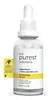
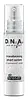
The Purest Solutions Brightening Serum Arbutin 2% + Hyaluronic Acid Versus Dr. Brandt Skincare Do Not Age with Dr. Brandt Transforming Pearl Serum
This brightening serum is formulated around Alpha-Arbutin and Aloe Barbadensis Leaf Juice Powder to fade the look of dark spots and brighten dull-looking skin.
This anti-aging serum is formulated around Sodium Hyaluronate to soften the look of wrinkles and strengthen the skin barrier.


What's inside
What's inside
 Key Ingredients
Benefits
Concerns
Ingredients Side-by-side
Water
Skin ConditioningAlpha-Arbutin
Antioxidant




Phenethyl Alcohol
MaskingHydroxyethylcellulose
Emulsion StabilisingPropylene Glycol
Humectant


Aloe Barbadensis Leaf Juice Powder
Skin Conditioning

Triethanolamine
Buffering1,2-Hexanediol
Skin Conditioning
Citric Acid
Buffering
Glycerin
Humectant
Sodium Acetate
BufferingCitrus Grandis Peel Water
HumectantSodium PCA
Humectant
Isopropyl Alcohol
Solvent


Pentylene Glycol
Skin Conditioning
Cellulose
Absorbent
Erythritol
Humectant
Carrageenan


Sodium Acetylated Hyaluronate
Humectant

Sodium Hyaluronate
Humectant
Xanthan Gum
EmulsifyingSodium Hyaluronate Crosspolymer
Humectant
Ethylhexylglycerin
Skin ConditioningHydrolyzed Sodium Hyaluronate
Skin Conditioning
Phenoxyethanol
Preservative
Water, Alpha-Arbutin, Phenethyl Alcohol, Hydroxyethylcellulose, Propylene Glycol, Aloe Barbadensis Leaf Juice Powder, Triethanolamine, 1,2-Hexanediol, Citric Acid, Glycerin, Sodium Acetate, Citrus Grandis Peel Water, Sodium PCA, Isopropyl Alcohol, Pentylene Glycol, Cellulose, Erythritol, Carrageenan, Sodium Acetylated Hyaluronate, Sodium Hyaluronate, Xanthan Gum, Sodium Hyaluronate Crosspolymer, Ethylhexylglycerin, Hydrolyzed Sodium Hyaluronate, Phenoxyethanol
Water
Skin ConditioningCaprylic/Capric Triglyceride
Masking
Propanediol
Solvent
Glycerin
Humectant
Pentylene Glycol
Skin Conditioning
Alcohol Denat.
Antimicrobial
Prunus Armeniaca Kernel Oil
Masking

Phenoxyethanol
Preservative
Hydroxyethylpiperazine Ethane Sulfonic Acid
BufferingSodium Hydroxide
BufferingXanthan Gum
EmulsifyingSodium Hyaluronate
Humectant
Hydroxyethylcellulose
Emulsion StabilisingCarrageenan
Algin
MaskingDecarboxy Carnosine Hcl
Skin ConditioningSynthetic Fluorphlogopite
Butylene Glycol
Humectant
Spilanthes Acmella Flower Extract
Skin ConditioningCI 77891
Cosmetic ColorantAlaria Esculenta Extract
Skin Protecting
Geranylgeranylisopropanol
Skin ConditioningSilica
Abrasive

Mica
Cosmetic ColorantSodium Acetate
BufferingBHT
Antioxidant
Sodium Lauryl Sulfate
Cleansing
Cellulose
Absorbent
Citrus Aurantium Dulcis Peel Oil
Masking
Citrus Aurantium Dulcis Fruit Extract
MaskingCananga Odorata Flower Oil
Masking

Vanillin
Masking
Lavandula Hybrida Oil
Emollient
Litsea Cubeba Fruit Oil
Masking
Vanilla Planifolia Fruit Extract
Skin Conditioning
Jasminum Sambac Flower Extract
Masking
Tin Oxide
Abrasive
Limonene
Perfuming
Water, Caprylic/Capric Triglyceride, Propanediol, Glycerin, Pentylene Glycol, Alcohol Denat., Prunus Armeniaca Kernel Oil, Phenoxyethanol, Hydroxyethylpiperazine Ethane Sulfonic Acid, Sodium Hydroxide, Xanthan Gum, Sodium Hyaluronate, Hydroxyethylcellulose, Carrageenan, Algin, Decarboxy Carnosine Hcl, Synthetic Fluorphlogopite, Butylene Glycol, Spilanthes Acmella Flower Extract, CI 77891, Alaria Esculenta Extract, Geranylgeranylisopropanol, Silica, Mica, Sodium Acetate, BHT, Sodium Lauryl Sulfate, Cellulose, Citrus Aurantium Dulcis Peel Oil, Citrus Aurantium Dulcis Fruit Extract, Cananga Odorata Flower Oil, Vanillin, Lavandula Hybrida Oil, Litsea Cubeba Fruit Oil, Vanilla Planifolia Fruit Extract, Jasminum Sambac Flower Extract, Tin Oxide, Limonene
Ingredients Explained
These ingredients are found in both products.
Ingredients higher up in an ingredient list are typically present in a larger amount.
Carrageenan is a gel-forming sugar chain pulled out of red seaweed. In skincare, it's a texture ingredient rather than an active that:
Formulators typically use it around 0.1-2% but go up to 5% in thick gel masks or toothpaste-style products.
It's a very large molecule that doesn't meaningfully get through intact skin and the CIR Expert Panel has concluded it's safe at current use levels.
True allergy is rare and there are only two published cases from internal/mucosal exposure rather than anything topical. Most of the scary internet content about Carrageenan is actually about poligeenan (also called "degraded carrageenan").
Poligeenan is a deliberately acid-broken down version that isn't food or cosmetic grade.
Learn more about CarrageenanCellulose is the main component of plant cell walls. It is used as an emulsifier, absorbent, and texture enhancer.
This ingredient has many functions:
Fun fact: Cellulose is the most abundant form of organic polymer on Earth.
Learn more about CelluloseGlycerin (or glycerol) is a compound naturally found in your skin. It's a powerhouse humectant that pulls water into the stratum corneum.
Topically, glycerin does several things at once:
Your skin makes glycerin on its own (mostly from sebaceous oil breakdown) and shuttles it to your outermost layer of skin, or your epidermis, via aquaporin-3.
Aquaporin-3 is a transporter that is essential for normal skin hydration, elasticity, and repair. Interestingly, mice lacking in AQP3 have dry and less elastic skin that can be fully corrected with glycerin.
This ingredient is non-irritating, plays well with almost every ingredient, and works across all skin types. Typical use is anywhere between 3-10% but can go up to 79% in some leave-on products.
Just know very high concentrations (>40%) can feel tacky in low humidity.
Glycerin is the name for this ingredient in American English. British English uses Glycerol/Glycerine.
Learn more about GlycerinHydroxyethylcellulose is used to improve the texture of products. It is created from a chemical reaction involving ethylene oxide and alkali-cellulose. Cellulose is a sugar found in plant cell walls and help give plants structure.
This ingredient helps stabilize products by preventing ingredients from separating. It can also help thicken the texture of a product.
This ingredient can also be found in pill medicines to help our bodies digest other ingredients.
Learn more about HydroxyethylcellulosePentylene Glycol (1,2-pentanediol) is a multitasking little diol with three main roles in a formula:
Research on alkanediols (the family pentylene glycol belongs to) show they work by disrupting microbial cell membranes. This disruption helps the primary preservative system in a product work more effectively at lower doses.
On the safety side, the Cosmetic Ingredient Review Expert Panel has concluded this ingredient to be safe as used in current cosmetic practices + concentrations.
Typical use levels in a formula run about 1-5%.
Learn more about Pentylene GlycolPhenoxyethanol is one of the most widely used preservatives in skincare (and for good reason!).
It has a large spectrum of antimicrobial activity and especially effective bacteria, yeast, and mold while only having a weak effect on your skin's natural microbiome.
On a cellular level, it disrupts the cell membranes of microbes by poking holes that make the cell leak. This shuts down the chemical reactions the microbe needs to make energy so it can no longer survive.
Another perk of this ingredient is that it stays functional across a wide pH range (3-10).
You'll often see it paired with boosters like Ethylhexylglycerin; one study showed that a 1:9 ratio of Ethylhexylglycerin to Phenoxyethanol damages bacterial membranes as effectively as doubling the Phenoxyethanol concentration on its own.
Typical use concentrations range from 0.3-1% depending on the formula, and this ingredient is capped at 1% int the EU.
Safety-wise, the fear mongering does not hold up to the evidence. The EU's Scientific Committee on Consumer Safety and FDA consider it safe as a preservative at up to 1%, including for children of all ages.
Adverse systemic effects only showed up in animal studies at exposures roughly 200x higher than what people get from cosmetics. And despite its very widespread use, this ingredient is a rare sensitizer and allergic reactions are uncommon.
Learn more about PhenoxyethanolWe don't have a description for Sodium Acetate yet.
Sodium Hyaluronate is the salt form of hyaluronic acid. It is a long sugar chain that is naturally found in your skin, joints, and connective tissue that maintains hydration and elasticity.
In skincare, it works as a humectant. It pulls water from the environment and deeper layers of skin and binds it to the surface.
Interestingly, the size of the molecule affects its behavior:
Some clinical evidence links low molecular weight versions to improved wrinkle depth, elasticity, anti-inflammatory effects, and barrier repair.
Many serums use a blend of both weights so you can get surface hydration plus longer-lasting and deeper effects.
You'll typically see concentrations between 0.1-2% for this ingredient.
Learn more about Sodium HyaluronateWater. It's the most common cosmetic ingredient of all. You'll usually see it at the top of ingredient lists, meaning that it makes up the largest part of the product.
So why is it so popular? Water most often acts as a solvent - this means that it helps dissolve other ingredients into the formulation.
You'll also recognize water as that liquid we all need to stay alive. If you see this, drink a glass of water. Remember to stay hydrated!
Learn more about WaterXanthan gum is used as a stabilizer and thickener within cosmetic products. It helps give products a sticky, thick feeling - preventing them from being too runny.
On the technical side of things, xanthan gum is a polysaccharide - a combination consisting of multiple sugar molecules bonded together.
Xanthan gum is a pretty common and great ingredient. It is a natural, non-toxic, non-irritating ingredient that is also commonly used in food products.
Learn more about Xanthan Gum

