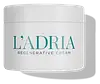
This barrier-repair moisturizer is formulated around Butyrospermum Parkii Butter to strengthen the skin barrier.
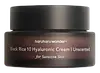
This barrier-repair moisturizer is formulated around Oenothera Biennis Oil and Oryza Sativa Extract to strengthen the skin barrier and hydrate skin.

What's inside
What's inside
 Key Ingredients
Benefits
Concerns
Ingredients Side-by-side
Water
Skin ConditioningButyrospermum Parkii Butter
Skin Conditioning






Caprylic/Capric/Succinic Triglyceride
EmollientPentylene Glycol
Skin Conditioning
Betaine
Humectant
Coco-Caprylate
Emollient
Caprylic/Capric Triglyceride
Masking
Glyceryl Stearate Citrate
Emollient
Undecane
EmollientDipalmitoyl Hydroxyproline
Skin Conditioning
Algae Extract
EmollientArachidyl Alcohol
Emollient
Soluble Collagen
Humectant
Glyceryl Stearate
Emollient
Tridecane
Perfuming

Behenyl Alcohol
Emollient
Tocopheryl Acetate
Antioxidant


Arachidyl Glucoside
EmulsifyingCarnosine
Skin Conditioning
Tocopherol
Antioxidant

Xanthan Gum
EmulsifyingAdenosine
Skin Conditioning
Allantoin
Skin Conditioning
Sodium Hyaluronate
Humectant
Sodium Phytate
Citric Acid
Buffering
Sodium Benzoate
Masking
Potassium Sorbate
Preservative
Water, Butyrospermum Parkii Butter, Caprylic/Capric/Succinic Triglyceride, Pentylene Glycol, Betaine, Coco-Caprylate, Caprylic/Capric Triglyceride, Glyceryl Stearate Citrate, Undecane, Dipalmitoyl Hydroxyproline, Algae Extract, Arachidyl Alcohol, Soluble Collagen, Glyceryl Stearate, Tridecane, Behenyl Alcohol, Tocopheryl Acetate, Arachidyl Glucoside, Carnosine, Tocopherol, Xanthan Gum, Adenosine, Allantoin, Sodium Hyaluronate, Sodium Phytate, Citric Acid, Sodium Benzoate, Potassium Sorbate
Water
Skin ConditioningCaprylic/Capric Triglyceride
Masking
Carthamus Tinctorius Seed Oil
Masking
Oenothera Biennis Oil
Emollient
Propanediol
Solvent
Sorbitan Olivate
Emulsifying
Cetearyl Olivate
Polyglyceryl-3 Stearate
Emulsifying
Oryza Sativa Extract
Absorbent
Cetearyl Alcohol
Emollient
Glycerin
Humectant
Sunflower Seed Oil Glycerides
Emollient
Aspergillus Ferment
Skin ConditioningZanthoxylum Piperitum Fruit Extract
Skin ConditioningUsnea Barbata Extract
Pulsatilla Koreana Extract
Skin ConditioningPhyllostachys Pubescens Shoot Bark Extract
Skin ConditioningCetyl Palmitate
Emollient
Sodium Gluconate
Skin ConditioningSorbitan Palmitate
Emulsifying
1,2-Hexanediol
Skin Conditioning
Xanthan Gum
EmulsifyingPanax Ginseng Root Extract
Emollient
Sodium Hyaluronate
Humectant
Butylene Glycol
Humectant
Potassium Hyaluronate
Skin ConditioningHydroxypropyltrimonium Hyaluronate
Hydrolyzed Sodium Hyaluronate
Skin Conditioning
Hydrolyzed Hyaluronic Acid
Humectant
Hyaluronic Acid
Humectant
Pentylene Glycol
Skin Conditioning
Cyclodextrin
AbsorbentSodium Hyaluronate Crosspolymer
Humectant
Sodium Acetylated Hyaluronate
Humectant
Water, Caprylic/Capric Triglyceride, Carthamus Tinctorius Seed Oil, Oenothera Biennis Oil, Propanediol, Sorbitan Olivate, Cetearyl Olivate, Polyglyceryl-3 Stearate, Oryza Sativa Extract, Cetearyl Alcohol, Glycerin, Sunflower Seed Oil Glycerides, Aspergillus Ferment, Zanthoxylum Piperitum Fruit Extract, Usnea Barbata Extract, Pulsatilla Koreana Extract, Phyllostachys Pubescens Shoot Bark Extract, Cetyl Palmitate, Sodium Gluconate, Sorbitan Palmitate, 1,2-Hexanediol, Xanthan Gum, Panax Ginseng Root Extract, Sodium Hyaluronate, Butylene Glycol, Potassium Hyaluronate, Hydroxypropyltrimonium Hyaluronate, Hydrolyzed Sodium Hyaluronate, Hydrolyzed Hyaluronic Acid, Hyaluronic Acid, Pentylene Glycol, Cyclodextrin, Sodium Hyaluronate Crosspolymer, Sodium Acetylated Hyaluronate
Reviews
Ingredients Explained
These ingredients are found in both products.
Ingredients higher up in an ingredient list are typically present in a larger amount.
Caprylic/Capric Triglyceride (aka MCT Oil) is a lightweight emollient, solvent, and texture enhancer. It is considered a skin-softener by helping to prevent moisture loss.
Though it behaves like an oil, it is not technically one due to its chemical composition. One perk of this ingredient is that it is very stable, resistant to oxidation, and unlikely to go rancid.
In practice, that translates to a long shelf life and a consistently elegant skin feel.
While there is an assumption Caprylic Triglyceride can clog pores due to it being derived from coconut oil, there is no research supporting this. Just patch test if you have concerns.
Fractionated coconut oil and MCT Oil are both listed as Caprylic/Capric Triglyceride according to INCI. This is because INCI names are based on the ingredient’s final chemical composition and not its marketing name or source.
This ingredient is treated as the gold standard fungal acne safe oil. Even though it is coconut derived, the problematic lauric acid is stripped out.
This leaves just caprylic (C8) and capric (C10) acid. These chain lengths actually trend antifungal; a 2020 study found caprylic acid was enough to disrupt Malassezia furfur cell membrane, with a caprylic acid derivative damaging membrane structures at concentrations as low as 0.2%.
Learn more about Caprylic/Capric TriglyceridePentylene Glycol (1,2-pentanediol) is a multitasking little diol with three main roles in a formula:
Research on alkanediols (the family pentylene glycol belongs to) show they work by disrupting microbial cell membranes. This disruption helps the primary preservative system in a product work more effectively at lower doses.
On the safety side, the Cosmetic Ingredient Review Expert Panel has concluded this ingredient to be safe as used in current cosmetic practices + concentrations.
Typical use levels in a formula run about 1-5%.
Learn more about Pentylene GlycolSodium Hyaluronate is the salt form of hyaluronic acid. It is a long sugar chain that is naturally found in your skin, joints, and connective tissue that maintains hydration and elasticity.
In skincare, it works as a humectant. It pulls water from the environment and deeper layers of skin and binds it to the surface.
Interestingly, the size of the molecule affects its behavior:
Some clinical evidence links low molecular weight versions to improved wrinkle depth, elasticity, anti-inflammatory effects, and barrier repair.
Many serums use a blend of both weights so you can get surface hydration plus longer-lasting and deeper effects.
You'll typically see concentrations between 0.1-2% for this ingredient.
Learn more about Sodium HyaluronateWater. It's the most common cosmetic ingredient of all. You'll usually see it at the top of ingredient lists, meaning that it makes up the largest part of the product.
So why is it so popular? Water most often acts as a solvent - this means that it helps dissolve other ingredients into the formulation.
You'll also recognize water as that liquid we all need to stay alive. If you see this, drink a glass of water. Remember to stay hydrated!
Learn more about WaterXanthan gum is used as a stabilizer and thickener within cosmetic products. It helps give products a sticky, thick feeling - preventing them from being too runny.
On the technical side of things, xanthan gum is a polysaccharide - a combination consisting of multiple sugar molecules bonded together.
Xanthan gum is a pretty common and great ingredient. It is a natural, non-toxic, non-irritating ingredient that is also commonly used in food products.
Learn more about Xanthan Gum

