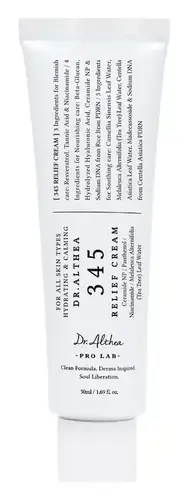
This barrier-repair moisturizer is formulated around Squalane and Ceramide Ng to strengthen the skin barrier and hydrate skin.


What's inside
What's inside
 Key Ingredients
Benefits
Concerns
Ingredients Side-by-side
Aloe Barbadensis Leaf Juice
Skin Conditioning


Water
Skin ConditioningSodium C14-16 Olefin Sulfonate
Cleansing

Disodium Laureth Sulfosuccinate
CleansingGlycerin
Humectant

Sodium Chloride
MaskingPropylene Glycol Laurate
Skin ConditioningSodium Cocoyl Glutamate
Cleansing
Tea-Cocoyl Glutamate
Cleansing
Butylene Glycol
Humectant
Betaine
Humectant
Trehalose
Humectant
Hydrogenated Lecithin
Emulsifying
Sodium Hyaluronate
Humectant
Dextrin
AbsorbentHydroxypropyl Methylcellulose
Emulsion StabilisingArginine
Masking
CI 77220
Cosmetic Colorant1,2-Hexanediol
Skin Conditioning
Caprylyl Glycol
Emollient
Polyquaternium-10
Xanthan Gum
EmulsifyingCitric Acid
Buffering


Disodium EDTA
ChelatingHoney Extract
Humectant
Macadamia Ternifolia Seed Extract
EmollientLeontopodium Alpinum Extract
Skin ConditioningIllicium Verum Fruit Extract
Perfuming
Camellia Sinensis Leaf Extract
Antimicrobial


Citrus Limon Fruit Extract
Masking
Hamamelis Virginiana Extract
Antiseborrhoeic
Portulaca Oleracea Extract
Skin Conditioning
Centella Asiatica Extract
Cleansing
Rosmarinus Officinalis Extract
AntimicrobialAvena Sativa Kernel Extract
Abrasive
Glycyrrhiza Glabra Root Extract
Bleaching
Adansonia Digitata Seed Extract
Skin ConditioningSalvia Officinalis Leaf Extract
CleansingEuterpe Oleracea Fruit Extract
Rubus Idaeus Fruit Extract
AstringentCamellia Japonica Flower Extract
EmollientRose Extract
Skin ConditioningArnica Montana Flower Extract
Masking
Anthemis Nobilis Flower Extract
Masking
Callicarpa Japonica Fruit Extract
Skin ConditioningCornus Controversa Extract
Skin ConditioningCocos Nucifera Oil
Masking



Camellia Japonica Seed Oil
Emollient
Simmondsia Chinensis Seed Oil
Emollient
Parfum
Masking
Benzyl Salicylate
Perfuming
Citronellol
Perfuming
Hexyl Cinnamal
Perfuming
Linalool
Perfuming
Aloe Barbadensis Leaf Juice, Water, Sodium C14-16 Olefin Sulfonate, Disodium Laureth Sulfosuccinate, Glycerin, Sodium Chloride, Propylene Glycol Laurate, Sodium Cocoyl Glutamate, Tea-Cocoyl Glutamate, Butylene Glycol, Betaine, Trehalose, Hydrogenated Lecithin, Sodium Hyaluronate, Dextrin, Hydroxypropyl Methylcellulose, Arginine, CI 77220, 1,2-Hexanediol, Caprylyl Glycol, Polyquaternium-10, Xanthan Gum, Citric Acid, Disodium EDTA, Honey Extract, Macadamia Ternifolia Seed Extract, Leontopodium Alpinum Extract, Illicium Verum Fruit Extract, Camellia Sinensis Leaf Extract, Citrus Limon Fruit Extract, Hamamelis Virginiana Extract, Portulaca Oleracea Extract, Centella Asiatica Extract, Rosmarinus Officinalis Extract, Avena Sativa Kernel Extract, Glycyrrhiza Glabra Root Extract, Adansonia Digitata Seed Extract, Salvia Officinalis Leaf Extract, Euterpe Oleracea Fruit Extract, Rubus Idaeus Fruit Extract, Camellia Japonica Flower Extract, Rose Extract, Arnica Montana Flower Extract, Anthemis Nobilis Flower Extract, Callicarpa Japonica Fruit Extract, Cornus Controversa Extract, Cocos Nucifera Oil, Camellia Japonica Seed Oil, Simmondsia Chinensis Seed Oil, Parfum, Benzyl Salicylate, Citronellol, Hexyl Cinnamal, Linalool
Water
Skin ConditioningGlycerin
Humectant
Paraffinum Liquidum
Emollient
Squalane
Emollient
Butylene Glycol
Humectant
Petrolatum
Emollient
Coix Lacryma-Jobi Ma-Yuen Seed Extract
Skin ConditioningCeramide Ng
Skin Conditioning
Butyrospermum Parkii Butter
Skin Conditioning
Prunus Persica Leaf Extract
Emollient
Betaine
Humectant
Sodium Hyaluronate
Humectant
Steareth-6
EmulsifyingSodium Hydroxide
BufferingCarbomer
Emulsion StabilisingTetrasodium EDTA
ChelatingMethylparaben
Preservative


Ethylparaben
Preservative
Water, Glycerin, Paraffinum Liquidum, Squalane, Butylene Glycol, Petrolatum, Coix Lacryma-Jobi Ma-Yuen Seed Extract, Ceramide Ng, Butyrospermum Parkii Butter, Prunus Persica Leaf Extract, Betaine, Sodium Hyaluronate, Steareth-6, Sodium Hydroxide, Carbomer, Tetrasodium EDTA, Methylparaben, Ethylparaben
Reviews
Ingredients Explained
These ingredients are found in both products.
Ingredients higher up in an ingredient list are typically present in a larger amount.
Betaine is a humectant. Like hyaluronic acid, it helps attract and retain moisture in the skin. It’s known for being gentle and for helping the skin maintain balanced hydration.
Betaine is mainly used to improve hydration and support calmer skin. It helps skin cells regulate water balance because it functions as an osmolyte.
Some studies suggest betaine may support making skin tone more even.
Fun fact: Betaine naturally exists in the skin and the body. In cosmetic products, it can be either plant-derived (most commonly from sugar beets) or synthetically produced for consistency and stability.
Betaine is also known as trimethylglycine.
Learn more about BetaineButylene Glycol (or BG) is used within cosmetic products for a few different reasons:
Overall, Butylene Glycol is a safe and well-rounded ingredient that works well with other ingredients.
Though this ingredient works well with most skin types, some people with sensitive skin may experience a reaction such as allergic rashes, closed comedones, or itchiness.
Learn more about Butylene GlycolGlycerin (or glycerol) is a compound naturally found in your skin. It's a powerhouse humectant that pulls water into the stratum corneum.
Topically, glycerin does several things at once:
Your skin makes glycerin on its own (mostly from sebaceous oil breakdown) and shuttles it to your outermost layer of skin, or your epidermis, via aquaporin-3.
Aquaporin-3 is a transporter that is essential for normal skin hydration, elasticity, and repair. Interestingly, mice lacking in AQP3 have dry and less elastic skin that can be fully corrected with glycerin.
This ingredient is non-irritating, plays well with almost every ingredient, and works across all skin types. Typical use is anywhere between 3-10% but can go up to 79% in some leave-on products.
Just know very high concentrations (>40%) can feel tacky in low humidity.
Glycerin is the name for this ingredient in American English. British English uses Glycerol/Glycerine.
Learn more about GlycerinSodium Hyaluronate is the salt form of hyaluronic acid. It is a long sugar chain that is naturally found in your skin, joints, and connective tissue that maintains hydration and elasticity.
In skincare, it works as a humectant. It pulls water from the environment and deeper layers of skin and binds it to the surface.
Interestingly, the size of the molecule affects its behavior:
Some clinical evidence links low molecular weight versions to improved wrinkle depth, elasticity, anti-inflammatory effects, and barrier repair.
Many serums use a blend of both weights so you can get surface hydration plus longer-lasting and deeper effects.
You'll typically see concentrations between 0.1-2% for this ingredient.
Learn more about Sodium HyaluronateWater. It's the most common cosmetic ingredient of all. You'll usually see it at the top of ingredient lists, meaning that it makes up the largest part of the product.
So why is it so popular? Water most often acts as a solvent - this means that it helps dissolve other ingredients into the formulation.
You'll also recognize water as that liquid we all need to stay alive. If you see this, drink a glass of water. Remember to stay hydrated!
Learn more about Water