Kiehl's Powerful-Strength Dark Circle Reducing Vitamin C Eye Serum Versus Origins GinZing™ Refreshing Eye Cream to Brighten and Depuff
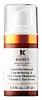
This brightening eye moisturizer is formulated around Ascorbic Acid and Adenosine to fade the look of dark spots and soften the look of wrinkles.
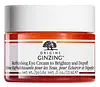
This eye moisturizer is formulated around Panax Ginseng Root Extract and Caffeine to hydrate skin.

What's inside
What's inside
 Key Ingredients
Benefits
Concerns
Ingredients Side-by-side
Propylene Glycol
Humectant


Dimethicone
Emollient

Glycerin
Humectant
Ascorbic Acid
Antioxidant





Dimethicone Crosspolymer
Emulsion Stabilising
Cetyl PEG/PPG-10/1 Dimethicone
Emulsifying
Cyclohexasiloxane
Emollient
Water
Skin ConditioningHydroxyethylpiperazine Ethane Sulfonic Acid
BufferingLauroyl Lysine
Skin Conditioning
Aluminum Starch Octenylsuccinate
Absorbent
Polysilicone-11
CI 77891
Cosmetic ColorantAdenosine
Skin Conditioning
Hydrolyzed Hyaluronic Acid
Humectant
Steareth-20
CleansingChlorhexidine Digluconate
Antimicrobial
N-Hydroxysuccinimide
Skin ConditioningSodium Citrate
BufferingPotassium Sorbate
Preservative
Palmitoyl Tripeptide-1
Skin Conditioning
Chrysin
Skin ConditioningPentaerythrityl Tetra-Di-T-Butyl Hydroxyhydrocinnamate
Antioxidant
Palmitoyl Tetrapeptide-7
Skin Conditioning
Citric Acid
Buffering
Biotin
AntiseborrhoeicPropylene Glycol, Dimethicone, Glycerin, Ascorbic Acid, Dimethicone Crosspolymer, Cetyl PEG/PPG-10/1 Dimethicone, Cyclohexasiloxane, Water, Hydroxyethylpiperazine Ethane Sulfonic Acid, Lauroyl Lysine, Aluminum Starch Octenylsuccinate, Polysilicone-11, CI 77891, Adenosine, Hydrolyzed Hyaluronic Acid, Steareth-20, Chlorhexidine Digluconate, N-Hydroxysuccinimide, Sodium Citrate, Potassium Sorbate, Palmitoyl Tripeptide-1, Chrysin, Pentaerythrityl Tetra-Di-T-Butyl Hydroxyhydrocinnamate, Palmitoyl Tetrapeptide-7, Citric Acid, Biotin
Water
Skin ConditioningMethyl Trimethicone
Skin Conditioning
Butylene Glycol
Humectant
PEG-100 Stearate
Surfactant
Dimethicone
Emollient
Cetyl Ricinoleate
Emollient
Silica
Abrasive

Olea Europaea Fruit Oil
Masking

Glycerin
Humectant
Behenyl Alcohol
Emollient
Cucumis Sativus Fruit Extract
Emollient
Panax Ginseng Root Extract
Emollient
Castanea Sativa Seed Extract
Skin ConditioningCamellia Sinensis Leaf Extract
Antimicrobial
Cordyceps Sinensis Extract
Antioxidant
Magnolia Officinalis Bark Extract
Antimicrobial
Pyrus Malus Fruit Extract
Skin Conditioning
Scutellaria Baicalensis Root Extract
Astringent
Pantethine
EmollientPanthenol
Skin Conditioning
Caprylic/Capric Triglyceride
Masking
Butyrospermum Parkii Butter
Skin Conditioning

Caffeine
Skin Conditioning
Coleus Barbatus Root Extract
Skin ConditioningFaex Extract
Skin ConditioningFolic Acid
Skin ConditioningHydrogenated Lecithin
Emulsifying
Jojoba Wax PEG-120 Esters
Surfactant
Biotin
AntiseborrhoeicTribehenin
Emollient
Myristyl Alcohol
Emollient
Palmitoyl Tetrapeptide-7
Skin Conditioning
Trehalose
Humectant
Sodium Hyaluronate
Humectant
Ascorbyl Tocopheryl Maleate
Antioxidant
Hesperidin Methyl Chalcone
Antioxidant
Sodium Sulfite
Preservative
Sodium Metabisulfite
Antioxidant
Steareth-20
CleansingDipeptide-2
Skin Conditioning
Ethylhexylglycerin
Skin ConditioningCarbomer
Emulsion StabilisingTromethamine
BufferingSorbic Acid
Preservative
Chlorphenesin
Antimicrobial
Phenoxyethanol
Preservative
Mica
Cosmetic ColorantCI 77891
Cosmetic ColorantCI 77491
Cosmetic ColorantCI 77492
Cosmetic ColorantCI 77499
Cosmetic ColorantWater, Methyl Trimethicone, Butylene Glycol, PEG-100 Stearate, Dimethicone, Cetyl Ricinoleate, Silica, Olea Europaea Fruit Oil, Glycerin, Behenyl Alcohol, Cucumis Sativus Fruit Extract, Panax Ginseng Root Extract, Castanea Sativa Seed Extract, Camellia Sinensis Leaf Extract, Cordyceps Sinensis Extract, Magnolia Officinalis Bark Extract, Pyrus Malus Fruit Extract, Scutellaria Baicalensis Root Extract, Pantethine, Panthenol, Caprylic/Capric Triglyceride, Butyrospermum Parkii Butter, Caffeine, Coleus Barbatus Root Extract, Faex Extract, Folic Acid, Hydrogenated Lecithin, Jojoba Wax PEG-120 Esters, Biotin, Tribehenin, Myristyl Alcohol, Palmitoyl Tetrapeptide-7, Trehalose, Sodium Hyaluronate, Ascorbyl Tocopheryl Maleate, Hesperidin Methyl Chalcone, Sodium Sulfite, Sodium Metabisulfite, Steareth-20, Dipeptide-2, Ethylhexylglycerin, Carbomer, Tromethamine, Sorbic Acid, Chlorphenesin, Phenoxyethanol, Mica, CI 77891, CI 77491, CI 77492, CI 77499
Reviews
Ingredients Explained
These ingredients are found in both products.
Ingredients higher up in an ingredient list are typically present in a larger amount.
Biotin is a B vitamin that is naturally produced by our bodies. It is also called Vitamin H.
Our bodies use biotin in the metabolism process. It also helps our bodies use enzymes and move nutrients around. A biotin deficiency can lead to brittle hair and nails.
More research is needed on applying biotin topically. However, taking biotin orally has been shown to help nourish the skin, hair, and nails. They play a role in forming skin-hydrating fatty acids.
Biotin is water-soluble. It can be found in foods such as fish, eggs, dairy, nuts, and meat. Vitamin H stands for "haar" and "haut". These are the German words for hair and skin.
Learn more about BiotinCi 77891 is a white pigment from Titanium dioxide. It is naturally found in minerals such as rutile and ilmenite.
It's main function is to add a white color to cosmetics. It can also be mixed with other colors to create different shades.
Ci 77891 is commonly found in sunscreens due to its ability to block UV rays.
Learn more about CI 77891Dimethicone is a type of synthetic silicone created from natural materials such as quartz. It is also known as polydimethylsiloxane.
What it does:
Dimethicone comes in different viscosities:
Depending on the viscosity, dimethicone has different properties.
Ingredients lists don't always show which type is used, so we recommend reaching out to the brand if you have questions about the viscosity.
This ingredient is unlikely to cause irritation because it does not get absorbed into skin. However, people with silicone allergies should be careful about using this ingredient.
Note: Dimethicone may contribute to pilling. This is because it is not oil or water soluble, so pilling may occur when layered with products. When mixed with heavy oils in a formula, the outcome is also quite greasy.
Learn more about DimethiconeGlycerin (or glycerol) is a compound naturally found in your skin. It's a powerhouse humectant that pulls water into the stratum corneum.
Topically, glycerin does several things at once:
Your skin makes glycerin on its own (mostly from sebaceous oil breakdown) and shuttles it to your outermost layer of skin, or your epidermis, via aquaporin-3.
Aquaporin-3 is a transporter that is essential for normal skin hydration, elasticity, and repair. Interestingly, mice lacking in AQP3 have dry and less elastic skin that can be fully corrected with glycerin.
This ingredient is non-irritating, plays well with almost every ingredient, and works across all skin types. Typical use is anywhere between 3-10% but can go up to 79% in some leave-on products.
Just know very high concentrations (>40%) can feel tacky in low humidity.
Glycerin is the name for this ingredient in American English. British English uses Glycerol/Glycerine.
Learn more about GlycerinPalmitoyl Tetrapeptide-7 (formerly Palmitoyl Tetrapeptide-3) is a synthetic peptide. Its main job is to fight what researchers call "inflammaging".
"Inflammaging" is the slow, low-grade chronic inflammation that quietly breaks down collagen as we age.
This ingredient calms down a specific inflammation signal in your skin cells (called IL-6). When left unchecked, this signal triggers enzymes that break down collagen and elastin.
Clinical testing showed statistically significant improvements in:
Studies also found the more of this ingredient used, the more your skin produces Collagen I, fibronectin, and hyaluronic acid.
You'll likely see this ingredient paired with Palmitoyl Tripeptide-1 in the well-known Matrixyl 3000 complex for enhanced anti-aging effects.
A 3% concentration applied twice daily for two months showed meaningful skin rejuvenation results in clinical panels.
Fungal acne note:
Usually a palmitic acid component can feed Malassezia in unbound form, but here is is covalently bonded to the peptide. This means it is very difficult for Malassezia to access, and therefore very unlikely to cause fungal acne.
Steareth-20 is an emulsifier and solubilizer. It is created from stearyl alcohol with ~20 units of ethylene oxide to give it a strong preference for water.
As an emulsifier, it helps oil-in-water emulsions like lotions, creams, and cleansers stay stable. It also solubilizes small amounts of oil-loving ingredients (like fragrance) into water-based formulas.
You'll likely find this ingredient with steareth-2 (it's oil-loving sister) where the two work together to give products a cushiony feel.
Typical use levels sit at around 1-5% and this ingredient has been found to be non-irritating by the CIR Expert Panel.
Learn more about Steareth-20Water. It's the most common cosmetic ingredient of all. You'll usually see it at the top of ingredient lists, meaning that it makes up the largest part of the product.
So why is it so popular? Water most often acts as a solvent - this means that it helps dissolve other ingredients into the formulation.
You'll also recognize water as that liquid we all need to stay alive. If you see this, drink a glass of water. Remember to stay hydrated!
Learn more about Water

