
What's inside
What's inside
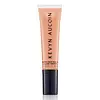 Key Ingredients
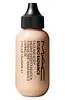
Benefits
Concerns
Ingredients Side-by-side
Water
Skin ConditioningC13-15 Alkane
SolventDicaprylyl Carbonate
EmollientDimethicone
Emollient
Lauryl PEG-9 Polydimethylsiloxyethyl Dimethicone
Skin Conditioning
Silica Dimethyl Silylate
EmollientMethylpropanediol
SolventPentylene Glycol
Skin ConditioningSodium Chloride
Masking


Dimethicone Crosspolymer
Emulsion Stabilising
Stearalkonium Hectorite
Gel FormingPhenoxyethanol
Preservative
Propanediol
Solvent
Ethylhexylglycerin
Skin ConditioningSynthetic Fluorphlogopite
Triethoxycaprylylsilane
Propylene Glycol
Humectant
Propylene Carbonate
SolventParfum
Masking
Evodia Rutaecarpa Fruit Extract
Skin ConditioningBuddleja Officinalis Flower Extract
UV FilterSodium Hyaluronate
Humectant

Tocopherol
Antioxidant



Benzyl Salicylate
Perfuming

Linalool
Perfuming
Hydroxycitronellal
Perfuming
Citronellol
Perfuming
Limonene
Perfuming
Alpha-Isomethyl Ionone
Perfuming
Titanium Dioxide
Cosmetic Colorant

Iron Oxides
Water, C13-15 Alkane, Dicaprylyl Carbonate, Dimethicone, Lauryl PEG-9 Polydimethylsiloxyethyl Dimethicone, Silica Dimethyl Silylate, Methylpropanediol, Pentylene Glycol, Sodium Chloride, Dimethicone Crosspolymer, Stearalkonium Hectorite, Phenoxyethanol, Propanediol, Ethylhexylglycerin, Synthetic Fluorphlogopite, Triethoxycaprylylsilane, Propylene Glycol, Propylene Carbonate, Parfum, Evodia Rutaecarpa Fruit Extract, Buddleja Officinalis Flower Extract, Sodium Hyaluronate, Tocopherol, Benzyl Salicylate, Linalool, Hydroxycitronellal, Citronellol, Limonene, Alpha-Isomethyl Ionone, Titanium Dioxide, Iron Oxides
Water
Skin ConditioningDimethicone
Emollient
Hydrogenated Polyisobutene
EmollientButylene Glycol
Humectant
Vp/Hexadecene Copolymer
Stearic Acid
Cleansing

Phenyl Trimethicone
Skin Conditioning
Polyglyceryl-3 Diisostearate
Emulsifying
Ethylhexyl Hydroxystearate
Emollient
Vp/Eicosene Copolymer
Talc
Abrasive
Trimethylsiloxysilicate
Emollient
Tocopherol
Antioxidant
Tocopheryl Acetate
Antioxidant
Fusanus Spicatus Wood Oil
Masking
Citrus Aurantium Dulcis Peel Oil
Masking
Magnesium Aluminum Silicate
AbsorbentTriethanolamine
BufferingPolysorbate 20
Emulsifying
Xanthan Gum
EmulsifyingCetyl Alcohol
Emollient
Farnesol
Perfuming
Disodium EDTA
Phenoxyethanol
Preservative
Chlorphenesin
Antimicrobial
Mica
Cosmetic Colorant
CI 77891
Cosmetic ColorantCI 77491
Cosmetic ColorantCI 77492
Cosmetic ColorantCI 77499
Cosmetic ColorantWater, Dimethicone, Hydrogenated Polyisobutene, Butylene Glycol, Vp/Hexadecene Copolymer, Stearic Acid, Phenyl Trimethicone, Polyglyceryl-3 Diisostearate, Ethylhexyl Hydroxystearate, Vp/Eicosene Copolymer, Talc, Trimethylsiloxysilicate, Tocopherol, Tocopheryl Acetate, Fusanus Spicatus Wood Oil, Citrus Aurantium Dulcis Peel Oil, Magnesium Aluminum Silicate, Triethanolamine, Polysorbate 20, Xanthan Gum, Cetyl Alcohol, Farnesol, Disodium EDTA, Phenoxyethanol, Chlorphenesin, Mica, CI 77891, CI 77491, CI 77492, CI 77499
Ingredients Explained
These ingredients are found in both products.
Ingredients higher up in an ingredient list are typically present in a larger amount.
Dimethicone is a type of synthetic silicone created from natural materials such as quartz.
What it does:
Dimethicone comes in different viscosities:
Depending on the viscosity, dimethicone has different properties.
Ingredients lists don't always show which type is used, so we recommend reaching out to the brand if you have questions about the viscosity.
This ingredient is unlikely to cause irritation because it does not get absorbed into skin. However, people with silicone allergies should be careful about using this ingredient.
Note: Dimethicone may contribute to pilling. This is because it is not oil or water soluble, so pilling may occur when layered with products. When mixed with heavy oils in a formula, the outcome is also quite greasy.
Learn more about DimethiconePhenoxyethanol is a preservative that has germicide, antimicrobial, and aromatic properties. Studies show that phenoxyethanol can prevent microbial growth. By itself, it has a scent that is similar to that of a rose.
It's often used in formulations along with Caprylyl Glycol to preserve the shelf life of products.
Tocopherol (also known as Vitamin E) is a common antioxidant used to help protect the skin from free-radicals and strengthen the skin barrier. It's also fat soluble - this means our skin is great at absorbing it.
Vitamin E also helps keep your natural skin lipids healthy. Your lipid skin barrier naturally consists of lipids, ceramides, and fatty acids. Vitamin E offers extra protection for your skin’s lipid barrier, keeping your skin healthy and nourished.
Another benefit is a bit of UV protection. Vitamin E helps reduce the damage caused by UVB rays. (It should not replace your sunscreen). Combining it with Vitamin C can decrease sunburned cells and hyperpigmentation after UV exposure.
You might have noticed Vitamin E + C often paired together. This is because it is great at stabilizing Vitamin C. Using the two together helps increase the effectiveness of both ingredients.
There are often claims that Vitamin E can reduce/prevent scarring, but these claims haven't been confirmed by scientific research.
Learn more about TocopherolWater. It's the most common cosmetic ingredient of all. You'll usually see it at the top of ingredient lists, meaning that it makes up the largest part of the product.
So why is it so popular? Water most often acts as a solvent - this means that it helps dissolve other ingredients into the formulation.
You'll also recognize water as that liquid we all need to stay alive. If you see this, drink a glass of water. Stay hydrated!
Learn more about Water
