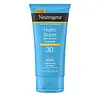
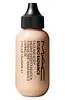
Neutrogena Hydro Boost Water Gel Lotion Sunscreen SPF 30 Versus Mac Cosmetics Studio Radiance Face and Body Foundation

What's inside
What's inside
 Key Ingredients
Benefits
Concerns
Ingredients Side-by-side
Homosalate 15%
Skin Conditioning

Octocrylene 10%
UV Absorber
Ethylhexyl Salicylate 5%
UV Absorber
Butyl Methoxydibenzoylmethane 3%
UV Absorber
Acrylates/Dimethicone Copolymer
Skin Conditioning
Alcohol Denat.
Antimicrobial


Aluminum Starch Octenylsuccinate
Absorbent
Blue 1 Lake
Cosmetic ColorantButyloctyl Salicylate
Skin Conditioning
Caprylyl Methicone
Skin Conditioning
Chlorphenesin
Antimicrobial
Dimethicone
Emollient
Disodium EDTA
Glycerin
Humectant



Glyceryl Stearate
Emollient
Hydrolyzed Hyaluronic Acid
Humectant

Menthyl Lactate
MaskingParfum
Masking
Pentylene Glycol
Skin ConditioningPhenoxyethanol
Preservative
Polyurethane-62
Silica
Abrasive
Sodium Acryloyldimethyltaurate/Vp Crosspolymer
Emulsion StabilisingSodium Hydroxide
BufferingStyrene/Acrylates Copolymer
Tocopheryl Acetate
Antioxidant

Trideceth-6
EmulsifyingWater
Skin ConditioningHomosalate 15%, Octocrylene 10%, Ethylhexyl Salicylate 5%, Butyl Methoxydibenzoylmethane 3%, Acrylates/Dimethicone Copolymer, Alcohol Denat., Aluminum Starch Octenylsuccinate, Blue 1 Lake, Butyloctyl Salicylate, Caprylyl Methicone, Chlorphenesin, Dimethicone, Disodium EDTA, Glycerin, Glyceryl Stearate, Hydrolyzed Hyaluronic Acid, Menthyl Lactate, Parfum, Pentylene Glycol, Phenoxyethanol, Polyurethane-62, Silica, Sodium Acryloyldimethyltaurate/Vp Crosspolymer, Sodium Hydroxide, Styrene/Acrylates Copolymer, Tocopheryl Acetate, Trideceth-6, Water
Water
Skin ConditioningDimethicone
Emollient
Hydrogenated Polyisobutene
EmollientButylene Glycol
Humectant
Vp/Hexadecene Copolymer
Stearic Acid
Cleansing
Phenyl Trimethicone
Skin Conditioning
Polyglyceryl-3 Diisostearate
Emulsifying
Ethylhexyl Hydroxystearate
Emollient
Vp/Eicosene Copolymer
Talc
Abrasive
Trimethylsiloxysilicate
Emollient
Tocopherol
Antioxidant
Tocopheryl Acetate
Antioxidant
Fusanus Spicatus Wood Oil
Masking
Citrus Aurantium Dulcis Peel Oil
Masking
Magnesium Aluminum Silicate
AbsorbentTriethanolamine
BufferingPolysorbate 20
Emulsifying
Xanthan Gum
EmulsifyingCetyl Alcohol
Emollient
Farnesol
Perfuming
Disodium EDTA
Phenoxyethanol
Preservative
Chlorphenesin
Antimicrobial
Mica
Cosmetic Colorant
CI 77891
Cosmetic ColorantCI 77491
Cosmetic ColorantCI 77492
Cosmetic ColorantCI 77499
Cosmetic ColorantWater, Dimethicone, Hydrogenated Polyisobutene, Butylene Glycol, Vp/Hexadecene Copolymer, Stearic Acid, Phenyl Trimethicone, Polyglyceryl-3 Diisostearate, Ethylhexyl Hydroxystearate, Vp/Eicosene Copolymer, Talc, Trimethylsiloxysilicate, Tocopherol, Tocopheryl Acetate, Fusanus Spicatus Wood Oil, Citrus Aurantium Dulcis Peel Oil, Magnesium Aluminum Silicate, Triethanolamine, Polysorbate 20, Xanthan Gum, Cetyl Alcohol, Farnesol, Disodium EDTA, Phenoxyethanol, Chlorphenesin, Mica, CI 77891, CI 77491, CI 77492, CI 77499
Reviews
Ingredients Explained
These ingredients are found in both products.
Ingredients higher up in an ingredient list are typically present in a larger amount.
Chlorphenesin is a synthetic preservative. It helps protect a product against bacteria in order to extend shelf life. In most cases, Chlorphenesin is paired with other preservatives such as phenoxyethanol and caprylyl glycol.
Chlorphenesin is a biocide. This means it is able to help fight the microorganisms on our skin. It is also able to fight odor-releasing bacteria.
Chlorphenesin is soluble in both water and glycerin.
Studies show Chlorphenesin is easily absorbed by our skin. You should speak with a skincare professional if you have concerns about using Chlorphenesin.
Learn more about ChlorphenesinDimethicone is a type of synthetic silicone created from natural materials such as quartz.
What it does:
Dimethicone comes in different viscosities:
Depending on the viscosity, dimethicone has different properties.
Ingredients lists don't always show which type is used, so we recommend reaching out to the brand if you have questions about the viscosity.
This ingredient is unlikely to cause irritation because it does not get absorbed into skin. However, people with silicone allergies should be careful about using this ingredient.
Note: Dimethicone may contribute to pilling. This is because it is not oil or water soluble, so pilling may occur when layered with products. When mixed with heavy oils in a formula, the outcome is also quite greasy.
Learn more about DimethiconeDisodium EDTA plays a role in making products more stable by aiding other preservatives.
It is a chelating agent, meaning it neutralizes metal ions that may be found in a product.
Disodium EDTA is a salt of edetic acid and is found to be safe in cosmetic ingredients.
Learn more about Disodium EDTAPhenoxyethanol is a preservative that has germicide, antimicrobial, and aromatic properties. Studies show that phenoxyethanol can prevent microbial growth. By itself, it has a scent that is similar to that of a rose.
It's often used in formulations along with Caprylyl Glycol to preserve the shelf life of products.
Tocopheryl Acetate is AKA Vitamin E. It is an antioxidant and protects your skin from free radicals. Free radicals damage the skin by breaking down collagen.
One study found using Tocopheryl Acetate with Vitamin C decreased the number of sunburned cells.
Tocopheryl Acetate is commonly found in both skincare and dietary supplements.
Learn more about Tocopheryl AcetateWater. It's the most common cosmetic ingredient of all. You'll usually see it at the top of ingredient lists, meaning that it makes up the largest part of the product.
So why is it so popular? Water most often acts as a solvent - this means that it helps dissolve other ingredients into the formulation.
You'll also recognize water as that liquid we all need to stay alive. If you see this, drink a glass of water. Stay hydrated!
Learn more about Water
