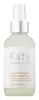
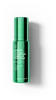
Kate Somerville Liquid ExfoliKate® Triple Acid Resurfacing Treatment Versus Allies of Skin Mandelic Pigmentation Corrector Night Serum
This smoothing treatment is formulated around Lactic Acid and Glycolic Acid to refine skin texture and brighten dull-looking skin.
This brightening serum is formulated around Mandelic Acid and Niacinamide to fade the look of dark spots and refine skin texture.

What's inside
What's inside
 Key Ingredients
Benefits
Concerns
Ingredients Side-by-side
Water
Skin ConditioningPelargonium Graveolens Flower/Leaf/Stem Water
Masking
Lactic Acid
Buffering










Sodium Hydroxide
BufferingGlycolic Acid
Buffering

Propanediol
Solvent

Phytic Acid
Chelating
Glycerin
Humectant
Papain
Skin Conditioning
Boswellia Serrata Extract
Skin Conditioning
Mel Extract
MoisturisingCamellia Sinensis Leaf Extract
Antimicrobial
Aspalathus Linearis Extract
Skin ConditioningBromelain
Skin Conditioning
Microcitrus Australasica Fruit Extract
Tetrapeptide-14
Skin Conditioning
Lactobacillus/Pumpkin Fruit Ferment Filtrate
Skin ConditioningLeuconostoc/Radish Root Ferment Filtrate
Antimicrobial
1,2-Hexanediol
Skin Conditioning
Butylene Glycol
Humectant
Citric Acid
Buffering
Malic Acid
Buffering
Tartaric Acid
Buffering
Caprylhydroxamic Acid
ChelatingPhenoxyethanol
Preservative
Sodium Benzoate
Masking
Maltodextrin
Absorbent
Citronellol
Perfuming
Geraniol
Perfuming
Linalool
Perfuming
Water, Pelargonium Graveolens Flower/Leaf/Stem Water, Lactic Acid, Sodium Hydroxide, Glycolic Acid, Propanediol, Phytic Acid, Glycerin, Papain, Boswellia Serrata Extract, Mel Extract, Camellia Sinensis Leaf Extract, Aspalathus Linearis Extract, Bromelain, Microcitrus Australasica Fruit Extract, Tetrapeptide-14, Lactobacillus/Pumpkin Fruit Ferment Filtrate, Leuconostoc/Radish Root Ferment Filtrate, 1,2-Hexanediol, Butylene Glycol, Citric Acid, Malic Acid, Tartaric Acid, Caprylhydroxamic Acid, Phenoxyethanol, Sodium Benzoate, Maltodextrin, Citronellol, Geraniol, Linalool
Water
Skin ConditioningMandelic Acid
Antimicrobial
Glycerin
Humectant
Butylene Glycol
Humectant
Niacinamide
Smoothing
Polysorbate 20
Emulsifying
Lactic Acid
Buffering
Rosa Canina Fruit Oil
Emollient
Calophyllum Inophyllum Seed Oil
Antimicrobial
Salicylic Acid
Masking

Superoxide Dismutase
Antioxidant
Bakuchiol
Antimicrobial
Sodium Hyaluronate
Humectant
Rumex Occidentalis Extract
Skin ConditioningAscophyllum Nodosum Extract
Skin Conditioning
Nonapeptide-1
Skin Conditioning
Palmitoyl Tripeptide-5
Skin Conditioning
Acetyl Tetrapeptide-40
Skin Conditioning
Pterocarpus Marsupium Bark Extract
Glutamic Acid
Humectant
Phenyl T-Butylnitrone
Antioxidant
Resveratrol Dimethyl Ether
Antioxidant
Camellia Sinensis Leaf Extract
Antimicrobial
Panthenol
Skin Conditioning
Tocopheryl Acetate
Antioxidant
Ascorbic Acid
Antioxidant
Tocopherol
Antioxidant
Caprylic/Capric Triglyceride
Masking
Xanthan Gum
EmulsifyingSclerotium Gum
Emulsion StabilisingEthylhexylglycerin
Skin ConditioningCaprylyl Glycol
Emollient
Sorbitol
Humectant
Dextran
Sodium Gluconate
ChelatingDisodium Succinate
MaskingAcetyl Tributyl Citrate
Masking
O-Cymen-5-Ol
Antimicrobial
Sodium Hydroxide
BufferingPhenoxyethanol
Preservative
Water, Mandelic Acid, Glycerin, Butylene Glycol, Niacinamide, Polysorbate 20, Lactic Acid, Rosa Canina Fruit Oil, Calophyllum Inophyllum Seed Oil, Salicylic Acid, Superoxide Dismutase, Bakuchiol, Sodium Hyaluronate, Rumex Occidentalis Extract, Ascophyllum Nodosum Extract, Nonapeptide-1, Palmitoyl Tripeptide-5, Acetyl Tetrapeptide-40, Pterocarpus Marsupium Bark Extract, Glutamic Acid, Phenyl T-Butylnitrone, Resveratrol Dimethyl Ether, Camellia Sinensis Leaf Extract, Panthenol, Tocopheryl Acetate, Ascorbic Acid, Tocopherol, Caprylic/Capric Triglyceride, Xanthan Gum, Sclerotium Gum, Ethylhexylglycerin, Caprylyl Glycol, Sorbitol, Dextran, Sodium Gluconate, Disodium Succinate, Acetyl Tributyl Citrate, O-Cymen-5-Ol, Sodium Hydroxide, Phenoxyethanol
Reviews
Ingredients Explained
These ingredients are found in both products.
Ingredients higher up in an ingredient list are typically present in a larger amount.
Butylene Glycol (or BG) is used within cosmetic products for a few different reasons:
Overall, Butylene Glycol is a safe and well-rounded ingredient that works well with other ingredients.
Though this ingredient works well with most skin types, some people with sensitive skin may experience a reaction such as allergic rashes, closed comedones, or itchiness.
Learn more about Butylene GlycolCamellia Sinensis Leaf Extract (tea extract) is one of the most well-researched plant extracts in skincare with an impressive resume.
Black tea, green tea, and oolong tea are all harvested from the Camellia Sinensis plant.
Studies show green tea extract and its catechins (like epigallocatechin gallate (EGCG)) help your skin cells product energy more efficiently and reducing the number of free-radicals that can damage your skin from the inside.
In lab-grown skin models, this translated to younger, healthier, and stronger skin.
There's also good sun protection data; researchers saw less DNA damage and redness on human skin when green tea was applied before UVB exposure. And the more they applied, the better the protection.
Needless to say, this ingredient shouldn't replace your sunscreen. But it is a great supportive ingredient that you can already find in many sunscreens and antioxidant serums.
A 2009 study found a 2% green tea lotion was effective for mild-to-moderate acne thanks to its anti-inflammatory and mild antimicrobial activity.
The quality of the extract matters a lot here:
Good extracts contain 50-90% catechins while lower quality ones are mostly there for marketing. We recommend reaching out to the brand if you have questions about the quality or source of their ingredients.
Human Repeated Insult Patch Testing showed no irritation or sensitization at use concentrations (0.86% in leave-on products and up to 30% as leaf water).
Learn more about Camellia Sinensis Leaf ExtractGlycerin (or glycerol) is a compound naturally found in your skin. It's a powerhouse humectant that pulls water into the stratum corneum.
Topically, glycerin does several things at once:
Your skin makes glycerin on its own (mostly from sebaceous oil breakdown) and shuttles it to your outermost layer of skin, or your epidermis, via aquaporin-3.
Aquaporin-3 is a transporter that is essential for normal skin hydration, elasticity, and repair. Interestingly, mice lacking in AQP3 have dry and less elastic skin that can be fully corrected with glycerin.
This ingredient is non-irritating, plays well with almost every ingredient, and works across all skin types. Typical use is anywhere between 3-10% but can go up to 79% in some leave-on products.
Just know very high concentrations (>40%) can feel tacky in low humidity.
Glycerin is the name for this ingredient in American English. British English uses Glycerol/Glycerine.
Learn more about GlycerinLactic Acid is another well-loved alpha hydroxy acid (AHA). It is gentler than glycolic acid but still highly effective.
Its main role is to exfoliate the surface of the skin by loosening the “glue” that holds dead skin cells together. Shedding those old cells leads to smoother, softer, and more even-toned skin.
Because lactic acid molecules are larger than glycolic acid, they don’t penetrate as deeply. This means they’re less likely to sting or irritate, making it a great choice for beginners or those with sensitive skin.
Like glycolic acid, it can:
Lactic acid also acts as a humectant (like hyaluronic acid). It can draw water into the skin to improve hydration and also plays a role in the skin's natural moisturizing factor (NMF) in the form of sodium lactate.
Studies show it can boost ceramide production to strengthen the skin barrier and even help balance the skin’s microbiome.
To get results, choose products with a pH between 3-4.
Lower strengths (5-12%) focus on surface exfoliation; higher strengths (12% and up) can reach deeper in the dermis (deeper, supportive layer) to improve skin texture and firmness over time.
Though it was originally derived from milk, most modern lactic acid used in skincare is vegan. It is made through non-dairy fermentation to create a bio-identical and stable form suitable for all formulations.
When lactic acid shows up near the end of an ingredient list, it usually means the brand added just a tiny amount to adjust the product’s pH.
Legend has it that Cleopatra used to bathe in sour milk to help reduce wrinkles.
Lactic acid is truly a gentle multitasker: it exfoliates, hydrates, strengthens, and brightens. It's a great ingredient for giving your skin a smooth, glowing, and healthy look without the harshness of stronger acids.
Read more about some other popular AHA's here:
Learn more about Lactic AcidPhenoxyethanol is one of the most widely used preservatives in skincare (and for good reason!).
It has a large spectrum of antimicrobial activity and especially effective bacteria, yeast, and mold while only having a weak effect on your skin's natural microbiome.
On a cellular level, it disrupts the cell membranes of microbes by poking holes that make the cell leak. This shuts down the chemical reactions the microbe needs to make energy so it can no longer survive.
Another perk of this ingredient is that it stays functional across a wide pH range (3-10).
You'll often see it paired with boosters like Ethylhexylglycerin; one study showed that a 1:9 ratio of Ethylhexylglycerin to Phenoxyethanol damages bacterial membranes as effectively as doubling the Phenoxyethanol concentration on its own.
Typical use concentrations range from 0.3-1% depending on the formula, and this ingredient is capped at 1% int the EU.
Safety-wise, the fear mongering does not hold up to the evidence. The EU's Scientific Committee on Consumer Safety and FDA consider it safe as a preservative at up to 1%, including for children of all ages.
Adverse systemic effects only showed up in animal studies at exposures roughly 200x higher than what people get from cosmetics. And despite its very widespread use, this ingredient is a rare sensitizer and allergic reactions are uncommon.
Learn more about PhenoxyethanolSodium Hydroxide is also known as lye or caustic soda. It is used to adjust the pH of products; many ingredients require a specific pH to be effective.
In small amounts, sodium hydroxide is considered safe to use. However, large amounts may cause chemical burns due to its high alkaline.
Your skin has a natural pH and acid mantle. This acid mantle helps prevent harmful bacteria from breaking through. The acid mantle also helps keep your skin hydrated.
"Alkaline" refers to a high pH level. A low pH level would be considered acidic.
Learn more about Sodium HydroxideWater. It's the most common cosmetic ingredient of all. You'll usually see it at the top of ingredient lists, meaning that it makes up the largest part of the product.
So why is it so popular? Water most often acts as a solvent - this means that it helps dissolve other ingredients into the formulation.
You'll also recognize water as that liquid we all need to stay alive. If you see this, drink a glass of water. Remember to stay hydrated!
Learn more about Water

