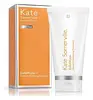
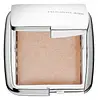
Kate Somerville ExfoliKate® Intensive Pore Exfoliating Treatment Versus Hourglass Cosmetics Ambient Strobe Lighting Powder
This smoothing exfoliator is formulated around Lactic Acid and Silica to refine skin texture and refine the look of pores.

What's inside
What's inside
 Key Ingredients
Benefits
Concerns
Ingredients Side-by-side
Water
Skin ConditioningLactic Acid
Buffering










Silica
Abrasive
Glycine Soja Oil
Emollient





Pectin
Emulsion StabilisingCetearyl Alcohol
Emollient

Carica Papaya Fruit
Skin ConditioningCeteareth-20
Cleansing
Cetyl Alcohol
Emollient
Phenoxyethanol
Preservative
Dehydroxanthan Gum
Emulsion StabilisingGlyceryl Stearate
Emollient
PEG-100 Stearate
Surfactant
Salicylic Acid
Masking


Lactobacillus/Pumpkin Ferment Extract
Skin ConditioningAlcohol Denat.
Antimicrobial
Sorbic Acid
Preservative
Cinnamal
Perfuming


Mel
EmollientCitrus Aurantium Bergamia Fruit Oil
Masking
Eugenol
Perfuming
Potassium Sorbate
Preservative
Limonene
Perfuming
Linalool
Perfuming
Lavandula Angustifolia Oil
Masking
Beta-Carotene
Skin ConditioningAloe Barbadensis Leaf Juice Powder
Skin Conditioning
Bromelain
Skin Conditioning
Papain
Skin Conditioning
Retinyl Palmitate
Skin Conditioning
Tocopheryl Acetate
Antioxidant

Cinnamomum Cassia Leaf Oil
Masking
Acetic Acid
BufferingPogostemon Cablin Leaf Oil
Masking
Pelargonium Graveolens Flower Oil
Masking
Aniba Rosaeodora Wood Extract
Masking
Citrus Aurantium Dulcis Peel Oil
Masking
CI 75810
Cosmetic ColorantWater, Lactic Acid, Silica, Glycine Soja Oil, Pectin, Cetearyl Alcohol, Carica Papaya Fruit, Ceteareth-20, Cetyl Alcohol, Phenoxyethanol, Dehydroxanthan Gum, Glyceryl Stearate, PEG-100 Stearate, Salicylic Acid, Lactobacillus/Pumpkin Ferment Extract, Alcohol Denat., Sorbic Acid, Cinnamal, Mel, Citrus Aurantium Bergamia Fruit Oil, Eugenol, Potassium Sorbate, Limonene, Linalool, Lavandula Angustifolia Oil, Beta-Carotene, Aloe Barbadensis Leaf Juice Powder, Bromelain, Papain, Retinyl Palmitate, Tocopheryl Acetate, Cinnamomum Cassia Leaf Oil, Acetic Acid, Pogostemon Cablin Leaf Oil, Pelargonium Graveolens Flower Oil, Aniba Rosaeodora Wood Extract, Citrus Aurantium Dulcis Peel Oil, CI 75810
Mica
Cosmetic ColorantSynthetic Fluorphlogopite
Boron Nitride
Absorbent
Hdi/Trimethylol Hexyllactone Crosspolymer
Polymethyl Methacrylate
Octyldodecanol
Emollient
Calcium Sodium Borosilicate
Silica
Abrasive
Dimethicone
Emollient
Magnesium Aluminum Silicate
Absorbent
Alumina
Abrasive
Benzoic Acid
Masking
C13-14 Isoparaffin
Emollient
Dehydroacetic Acid
Preservative
Diamond Powder
Abrasive
Ethylhexylglycerin
Skin ConditioningLaureth-7
EmulsifyingPhenoxyethanol
Preservative
Polyacrylamide
Polymethylsilsesquioxane
Potassium Sorbate
Preservative
Sodium Dehydroacetate
Preservative
Sorbic Acid
Preservative
Sorbitan Sesquioleate
Emulsifying
Tin Oxide
Abrasive
Trimethylsiloxysilicate
Emollient
CI 77163
Cosmetic Colorant
Iron Oxides
CI 77891
Cosmetic ColorantMica, Synthetic Fluorphlogopite, Boron Nitride, Hdi/Trimethylol Hexyllactone Crosspolymer, Polymethyl Methacrylate, Octyldodecanol, Calcium Sodium Borosilicate, Silica, Dimethicone, Magnesium Aluminum Silicate, Alumina, Benzoic Acid, C13-14 Isoparaffin, Dehydroacetic Acid, Diamond Powder, Ethylhexylglycerin, Laureth-7, Phenoxyethanol, Polyacrylamide, Polymethylsilsesquioxane, Potassium Sorbate, Sodium Dehydroacetate, Sorbic Acid, Sorbitan Sesquioleate, Tin Oxide, Trimethylsiloxysilicate, CI 77163, Iron Oxides, CI 77891
Ingredients Explained
These ingredients are found in both products.
Ingredients higher up in an ingredient list are typically present in a larger amount.
Phenoxyethanol is one of the most widely used preservatives in skincare (and for good reason!).
It has a large spectrum of antimicrobial activity and especially effective bacteria, yeast, and mold while only having a weak effect on your skin's natural microbiome.
On a cellular level, it disrupts the cell membranes of microbes by poking holes that make the cell leak. This shuts down the chemical reactions the microbe needs to make energy so it can no longer survive.
Another perk of this ingredient is that it stays functional across a wide pH range (3-10).
You'll often see it paired with boosters like Ethylhexylglycerin; one study showed that a 1:9 ratio of Ethylhexylglycerin to Phenoxyethanol damages bacterial membranes as effectively as doubling the Phenoxyethanol concentration on its own.
Typical use concentrations range from 0.3-1% depending on the formula, and this ingredient is capped at 1% int the EU.
Safety-wise, the fear mongering does not hold up to the evidence. The EU's Scientific Committee on Consumer Safety and FDA consider it safe as a preservative at up to 1%, including for children of all ages.
Adverse systemic effects only showed up in animal studies at exposures roughly 200x higher than what people get from cosmetics. And despite its very widespread use, this ingredient is a rare sensitizer and allergic reactions are uncommon.
Learn more about PhenoxyethanolPotassium Sorbate is a preservative used to prevent yeast and mold in products. It is commonly found in both cosmetic and food products.
This ingredient comes from potassium salt derived from sorbic acid. Sorbic acid is a natural antibiotic and effective against fungus.
Both potassium sorbate and sorbic acid can be found in baked goods, cheeses, dried meats, dried fruit, ice cream, pickles, wine, yogurt, and more.
You'll often find this ingredient used with other preservatives.
Learn more about Potassium SorbateSilica, also known as silicon dioxide, is a naturally occurring mineral. It is used as a fine, spherical, and porous powder in cosmetics.
Though it has exfoliant properties, the function of silica varies depending on the product.
The unique structure of silica enhances the spreadability and adds smoothness, making it a great texture enhancer.
It is also used as an active carrier, emulsifier, and mattifier due to its ability to absorb excess oil.
In some products, tiny microneedles called spicules are made from silica or hydrolyzed sponge. When you rub them in, they lightly polish away dead skin layers and enhance the penetration of active ingredients.
Learn more about SilicaSorbic Acid is a preservative that stops your product from spoiling by stopping microbes from growing.
As a preservative, it's kind of a specialist: it has a broad spectrum of activity against yeast and molds but is weaker against bacteria. That's why it's often paired with another preservative to cover that gap.
This ingredient is also pretty picky about pH; it performs best at pH 6.5 or below.
At the right pH level, sorbic acid is "active" and can slip through the outer wall of a microbe. Once inside, it turns the cell's interior more acidic to shut down the microbe from the inside.
The EU caps this ingredient at 0.6% while the CIR has concluded it's safe at concentrations up to 1%. It's most often used around 0.05-0.2% in cosmetics.
Though this ingredient is considered low-sensitizing and well-tolerated, a very small number of people may have a contact allergy to it. Be sure to patch test if you have a history of allergies towards preservatives.
Learn more about Sorbic Acid

