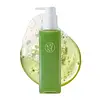
KAINE Rosemary Relief Gel Cleanser April 2025 formula Versus KAINE Rosemary Relief Gel Cleanser August 2022 formula
This salicylic acid gel cleanser is formulated around Salicylic Acid to clear breakouts and unclog pores.
This salicylic acid gel cleanser is formulated around Salicylic Acid to clear breakouts and unclog pores.

What's inside
What's inside
 Key Ingredients
Benefits
Concerns
Ingredients Side-by-side
Water
Skin ConditioningSodium C14-16 Olefin Sulfonate
Cleansing

Glycerin
Humectant


Acrylates Copolymer
Butylene Glycol
Humectant
Propanediol
Solvent
Coco-Betaine
Cleansing
Rosmarinus Officinalis Leaf Extract
AntimicrobialTromethamine
BufferingTetradecene
EmollientPotassium Benzoate
Preservative
Salicylic Acid
Masking







Citric Acid
Buffering
Hexadecene
SolventLauryl Hydroxysultaine
CleansingCoco-Glucoside
Cleansing
Pogostemon Cablin Leaf Oil
Masking

Decyl Glucoside
Cleansing
Sorbitol
Humectant
Polyquaternium-10
Rosmarinus Officinalis Leaf Oil
Masking
Panthenol
Skin Conditioning

Sodium Chloride
MaskingDisodium EDTA
ChelatingMelia Azadirachta Leaf Extract
Skin ConditioningArtemisia Vulgaris Oil
Perfuming

1,2-Hexanediol
Skin Conditioning
Melia Azadirachta Flower Extract
Skin ConditioningBrassica Oleracea Capitata Leaf Extract
Skin ConditioningBrassica Oleracea Acephala Leaf Extract
HumectantArtemisia Princeps Leaf Water
MaskingHibiscus Esculentus Fruit Extract
Skin ConditioningHyaluronic Acid
Humectant

Hydrolyzed Hyaluronic Acid
Humectant
Sodium Hyaluronate
Humectant
Apium Graveolens Extract
Skin ConditioningAsparagus Officinalis Extract
Skin ConditioningSpinacia Oleracea Leaf Extract
Skin ConditioningBrassica Oleracea Italica Extract
AstringentCucumis Sativus Extract
Skin Conditioning
Lactuca Scariola Sativa Leaf Extract
Skin ConditioningAllantoin
Skin Conditioning
Water, Sodium C14-16 Olefin Sulfonate, Glycerin, Acrylates Copolymer, Butylene Glycol, Propanediol, Coco-Betaine, Rosmarinus Officinalis Leaf Extract, Tromethamine, Tetradecene, Potassium Benzoate, Salicylic Acid, Citric Acid, Hexadecene, Lauryl Hydroxysultaine, Coco-Glucoside, Pogostemon Cablin Leaf Oil, Decyl Glucoside, Sorbitol, Polyquaternium-10, Rosmarinus Officinalis Leaf Oil, Panthenol, Sodium Chloride, Disodium EDTA, Melia Azadirachta Leaf Extract, Artemisia Vulgaris Oil, 1,2-Hexanediol, Melia Azadirachta Flower Extract, Brassica Oleracea Capitata Leaf Extract, Brassica Oleracea Acephala Leaf Extract, Artemisia Princeps Leaf Water, Hibiscus Esculentus Fruit Extract, Hyaluronic Acid, Hydrolyzed Hyaluronic Acid, Sodium Hyaluronate, Apium Graveolens Extract, Asparagus Officinalis Extract, Spinacia Oleracea Leaf Extract, Brassica Oleracea Italica Extract, Cucumis Sativus Extract, Lactuca Scariola Sativa Leaf Extract, Allantoin
Water
Skin ConditioningSodium C14-16 Olefin Sulfonate
Cleansing
Glycerin
Humectant
Rosmarinus Officinalis Leaf Extract 5%
AntimicrobialButylene Glycol
Humectant
Acrylates Copolymer
Propanediol
Solvent
Coco-Betaine
Cleansing
Tromethamine
BufferingCoco-Glucoside
Cleansing
Tetradecene
EmollientPotassium Benzoate
Preservative
Salicylic Acid 0.45%
Masking
Sodium Chloride
MaskingCitric Acid
Buffering
Hexadecene
SolventLauryl Hydroxysultaine
CleansingPogostemon Cablin Leaf Oil
Masking
Disodium Coco-Glucoside Citrate
Emulsifying
Decyl Glucoside
Cleansing
Sorbitol
Humectant
Polyquaternium-67
Rosmarinus Officinalis Leaf Oil 0.1%
Masking
Artemisia Princeps Leaf Water
MaskingPanthenol
Skin Conditioning
Disodium EDTA
ChelatingMelia Azadirachta Leaf Extract
Skin ConditioningArtemisia Vulgaris Oil
Perfuming
1,2-Hexanediol
Skin Conditioning
Melia Azadirachta Flower Extract
Skin ConditioningBrassica Oleracea Capitata Leaf Extract
Skin ConditioningBrassica Oleracea Acephala Leaf Extract
HumectantHibiscus Esculentus Fruit Extract
Skin ConditioningHyaluronic Acid
Humectant
Hydrolyzed Hyaluronic Acid
Humectant
Sodium Hyaluronate
Humectant
Apium Graveolens Extract
Skin ConditioningAsparagus Officinalis Extract
Skin ConditioningSpinacia Oleracea Leaf Extract
Skin ConditioningBrassica Oleracea Italica Extract
AstringentCucumis Sativus Extract
Skin Conditioning
Lactuca Scariola Sativa Leaf Extract
Skin ConditioningAllantoin
Skin Conditioning
Water, Sodium C14-16 Olefin Sulfonate, Glycerin, Rosmarinus Officinalis Leaf Extract 5%, Butylene Glycol, Acrylates Copolymer, Propanediol, Coco-Betaine, Tromethamine, Coco-Glucoside, Tetradecene, Potassium Benzoate, Salicylic Acid 0.45%, Sodium Chloride, Citric Acid, Hexadecene, Lauryl Hydroxysultaine, Pogostemon Cablin Leaf Oil, Disodium Coco-Glucoside Citrate, Decyl Glucoside, Sorbitol, Polyquaternium-67, Rosmarinus Officinalis Leaf Oil 0.1%, Artemisia Princeps Leaf Water, Panthenol, Disodium EDTA, Melia Azadirachta Leaf Extract, Artemisia Vulgaris Oil, 1,2-Hexanediol, Melia Azadirachta Flower Extract, Brassica Oleracea Capitata Leaf Extract, Brassica Oleracea Acephala Leaf Extract, Hibiscus Esculentus Fruit Extract, Hyaluronic Acid, Hydrolyzed Hyaluronic Acid, Sodium Hyaluronate, Apium Graveolens Extract, Asparagus Officinalis Extract, Spinacia Oleracea Leaf Extract, Brassica Oleracea Italica Extract, Cucumis Sativus Extract, Lactuca Scariola Sativa Leaf Extract, Allantoin
Reviews
Alternatives
Ingredients Explained
These ingredients are found in both products.
Ingredients higher up in an ingredient list are typically present in a larger amount.
1,2-Hexanediol is a synthetic liquid and another multi-functional powerhouse.
It is a:
- Humectant, drawing moisture into the skin
- Emollient, helping to soften skin
- Solvent, dispersing and stabilizing formulas
- Preservative booster, enhancing the antimicrobial activity of other preservatives
Acrylates Copolymer is used as a film-forming agent and texture enhancer.
After applied, Acrylates Copolymer forms a thin film cover that helps skin feel more soft. It can help sunscreens become more water-resistant.
It is also used to make a product more thick.
Learn more about Acrylates CopolymerAllantoin is a soothing ingredient known for its protective and moisturizing properties; it's basically a quiet workhorse ingredient you can find in a huge range of cosmetics.
Though it can be derived from the comfrey plant, allantoin is produced synthetically for cosmetic products to ensure purity.
Research shows it can encourage your skin cells to turn over and renew by stimulating keratinocyte and fibroblast proliferation.
It also has mild keratolytic properties to help loosen and shed dead skin cells without being harsh.
Studies also suggest allantoin can help calm inflammation by dialing down some of the chemical signals your skin sends out when it is irritated.
This ingredient is typically used in the 0.1-0.5% range, and the FDA recognizes it as a skin protectant in OTC products up to 2%.
Overall, allantoin is a wonderful addition to most routines; it is stable across a wide pH range (~4-8), works well with other ingredients, and is considered non-sensitizing/non-irritating.
Fun fact: Allantoin is naturally occurring in comfrey root, beets, chamomile, and wheat sprouts. Our bodies even produce it as a byproduct of uric acid metabolism.
Learn more about AllantoinApium Graveolens Extract is derived from celery. It contains antioxidants such as Ferulic Acid and Caffeic Acid.
Antioxidants help fight free-radicals. Free-radicals are molecules that may damage your skin cells
Artemisia Princeps Leaf Water is created from the wugwort native to Korea, China, and Japan.
Artemisia Princeps contains antioxidants and ant-inflammatory properties.
This flower is part of the sunflower family.
Learn more about Artemisia Princeps Leaf WaterArtemisia Vulgaris Oil is a fragrance and is an oil.
We don't have a description for Asparagus Officinalis Extract yet.
You might know this ingredient as Kale. Besides being a superfood, kale has many benefits in skincare.
Kale is rich in antioxidants. Antioxidants help fight free-radical molecules. These unstable molecules may damage your skin cells. By helping to stabilize them, antioxidants may help with anti-aging. Beta-carotene and vitamin C are two types of antioxidants found in kale.
Kale leaf extract also helps hydrate the skin as a humectant. Kale is rich in omega-3 and omega-6 fatty acids that help soothe and hydrate skin. Studies show Brassica Oleracea Acephala Leaf Extract is effective at calming inflammation and treating inflammatory skin diseases.
Besides Vitamin C, Kale is also rich in vitamin A and vitamin K.
Learn more about Brassica Oleracea Acephala Leaf ExtractThis ingredient is also known as cabbage leaf extract (the same cabbage you eat). It has skin conditioning properties and is packed with flavonoids, phenolic compounds, Vitamin C, and glucosinolates.
A study from 2018 found that topically applied cabbage extract reduced swelling and redness in a mouse model of contact dermatitis. Animal studies have also shown it can support wound healing by boosting collagen production and encouraging new cell growth in damaged skin.
Another study from 2025 found that cabbage leaf extract strong tyrosinase inhibition comparable to vitamin C.
Overall, this is a great supportive ingredient. Be sure to patch test if you have a known allergy to plants in the Brassicaceae family (broccoli, kale, cauliflower).
Learn more about Brassica Oleracea Capitata Leaf ExtractYou might know Brassica Oleracea Italica as Broccoli. Broccoli is rich in antioxidants.
Broccoli extract is rich in antioxidants. Antioxidants help fight free-radical molecules. These unstable molecules may damage your skin cells. By helping to stabilize them, antioxidants may help with anti-aging. Beta-carotene, vitamin A, and vitamin C are three types of antioxidants found in broccoli.
Broccoli is also rich in fatty acids such as oleic and linoleic acids.
Brassica Oleracea Italica Extract can be extracted from any part of the broccoli plant.
Learn more about Brassica Oleracea Italica ExtractButylene Glycol (or BG) is used within cosmetic products for a few different reasons:
Overall, Butylene Glycol is a safe and well-rounded ingredient that works well with other ingredients.
Though this ingredient works well with most skin types, some people with sensitive skin may experience a reaction such as allergic rashes, closed comedones, or itchiness.
Learn more about Butylene GlycolCitric Acid is an alpha hydroxy acid (AHA) naturally found in citrus fruits like oranges, lemons, and limes.
Like other AHAs, citric acid can exfoliate skin by breaking down the bonds that hold dead skin cells together. This helps reveal smoother and brighter skin underneath.
However, this exfoliating effect only happens at high concentrations (20%) which can be hard to find in cosmetic products.
Due to this, citric acid is usually included in small amounts as a pH adjuster. This helps keep products slightly more acidic and compatible with skin's natural pH.
In skincare formulas, citric acid can:
While it can provide some skin benefits, research shows lactic acid and glycolic acid are generally more effective and less irritating exfoliants.
Most citric acid used in skincare today is made by fermenting sugars (usually from molasses). This synthetic version is identical to the natural citrus form but easier to stabilize and use in formulations.
Rosacea skin has a lower threshold for acids generally, with 62.5% of rosacea subjects in one study reacting to lactic acid in a sting test. This is why we mark citric acid as a potential rosacea trigger.
However, this ingredient shows up as a pH adjuster or chelator at roughly 0.1-1% in many products. These low levels are unlikely to be an issue for rosacea skin and becomes a potential trigger at exfoliating concentrations (20%). Because everybody's skin is unique, we recommend a patch test if you are unsure.
Learn more about Citric AcidCoco-Betaine is the natural version of Cocamidopropyl Betaine. It is often derived from coconuts.
Coco-Betaine is a surfactant, meaning it helps remove dirt and oil from the skin.
Coco-Glucoside is a surfactant, or a cleansing ingredient. It is made from glucose and coconut oil.
Surfactants help gather dirt, oil, and other pollutants from your skin to be rinsed away.
This ingredient is considered gentle and non-comedogenic. However, it may still be irritating for some.
Learn more about Coco-GlucosideCucumis Sativus Extract comes from the cucumber. Cucumbers have anti-aging, anti-inflammatory, and hydrating properties.
Cucumbers are mostly made up of water (95%), and the other 5% is composed of: vitamin C, caffeic acid, fatty acids, amino acids, and other minerals.
Decyl Glucoside is a plant-derived surfactant and emulsion stabilizer. It is created by reacting glucose with the fatty acids from plants.
Like all surfactants, it works by lowering the surface tension between water and oil. This makes it so that dirt, sebum, and makeup can be lifted off your skin and rinsed away. It also produces a dense and creamy foam.
Because it has a neutral charge, it is compatible with a wide range of ingredients and stays stable across a broad pH range/water hardiness conditions.
Patch testing has shown it to have the lowest irritation potential among common cleansing surfactants (like SLS).
Typical use levels range from 5-20% in rinse-off cleansers.
One thing worth knowing: The American Contact Dermatitis Society named the parent family, alkyl glucosides, "Allergen of the Year" in 2017. The prevalence of allergy is pretty low but be sure to patch test if you've reacted to "gentle" or sulfate-free cleansers before.
This ingredient is fungal acne safe because the fatty alcohol portion of this ingredient is not within the C11-24 chain length that Malassezia can metabolize.
Learn more about Decyl GlucosideDisodium EDTA is a chelating agent. It grabs onto and deactivates metal ions that sneak into your products from water, packaging, or air.
This ingredient mainly works behind the scenes and helps with:
On top of that, this ingredient can counteract the effects of hard water by binding to the minerals in it.
One thing worth knowing is that Disodium EDTA has been shown to be a mild penetration enhancer. It can help other ingredients absorb into skin more effectively which can be a double-edged sword (great for actives, but can also make the active too strong if you have sensitive skin).
Clinical patch testing showed no significant skin irritation at typical use concentrations and minimal dermal absorption.
You'll most likely see this ingredient near the end of an ingredient list. It's typically found in concentrations less than 1%.
Learn more about Disodium EDTAGlycerin (or glycerol) is a compound naturally found in your skin. It's a powerhouse humectant that pulls water into the stratum corneum.
Topically, glycerin does several things at once:
Your skin makes glycerin on its own (mostly from sebaceous oil breakdown) and shuttles it to your outermost layer of skin, or your epidermis, via aquaporin-3.
Aquaporin-3 is a transporter that is essential for normal skin hydration, elasticity, and repair. Interestingly, mice lacking in AQP3 have dry and less elastic skin that can be fully corrected with glycerin.
This ingredient is non-irritating, plays well with almost every ingredient, and works across all skin types. Typical use is anywhere between 3-10% but can go up to 79% in some leave-on products.
Just know very high concentrations (>40%) can feel tacky in low humidity.
Glycerin is the name for this ingredient in American English. British English uses Glycerol/Glycerine.
Learn more about GlycerinWe don't have a description for Hexadecene yet.
We don't have a description for Hibiscus Esculentus Fruit Extract yet.
Hyaluronic acid (HA) is a glycosaminoglycan (basically a long sugar chain) that your skin already makes on its own. In your skin, HA lives in the extracellular matrix and acts as the body's moisture reservoir.
Topically, HA is a humectant that binds water and helps skin look more plump, smooth, and hydrated.
The only catch is that HA isn't a single thing; it actually comes in a wide range of molecular weights (~50 - 2,000+ kDA) and size matters.
Some clinical evidence links low molecular weight versions to improved wrinkle depth, elasticity, anti-inflammatory effects, and barrier repair.
This is why the best HA serums blend the two sizes together so you get the best of both worlds.
The majority of cosmetic HA is produced by bacterial fermentation, typically using Streptococcus or Bacillus strains. Typical use levels in skincare sit around 0.1-2%.
A clinical study using a 0.2% low-molecular weight HA gel showed improvement in facial seborrheic dermatitis with excellent tolerance.
These are some other common types of Hyaluronic Acid:
Learn more about Hyaluronic AcidHydrolyzed Hyaluronic Acid is hyaluronic acid (HA) that is broken down into lower molecular weight fragments.
It's a humectant that pulls and holds water in the skin to help with hydration, plumpness, and reduce transepidermal water loss.
Because hydrolyzed hyaluronic acid is smaller in size, it can slip past your outermost layer of skin more easily than full-sized HA.
Most formulations will combine all sizes to get the best of both worlds.
Typical usage levels range from 0.01-1%. Any percentage higher than 2% might become goopy and tacky.
Learn more about Hydrolyzed Hyaluronic AcidWe don't have a description for Lactuca Scariola Sativa Leaf Extract yet.
Lauryl Hydroxysultaine is a mild surfactant or cleansing ingredient that helps lift away dirt/oil, boost foam, and thicken the formula. It plays nicely with other surfactants and stays stable across a wide pH range.
Melia Azadirachta Flower Extract is from the Neem tree. Neem trees originate from India.
Melia Azadirachta Flower Extract contains antioxidants. Antioxidants help fight free-radicals. Free-radicals are molecules that may damage your skin cells, such as pollution.
The flowers of this tree are lilac colored.
Learn more about Melia Azadirachta Flower ExtractThis ingredient is also known as neem leaf extract. It contains natural compounds like nimbidin, quercetin, and other polyphenols that give it antibacterial, antifungal, and anti-inflammatory activity.
Lab studies have shown neem leaf extract can inhibit acne-related bacteria and help calm skin. Animal studies on wound gels using 1-3% neem leaf extract found it sped up healing without causing irritation.
A wound-healing study testing gels with the extract at 1%, 2%, and 3% concentrations and found none of them irritated the skin.
Most commercial products also use it in a similar low range (typically under 5%).
Allergy-wise, there are some case reports on neem oil causing allergic contact dermatitis so people with plant/botanical sensitivities may want to patch test first.
Learn more about Melia Azadirachta Leaf ExtractPanthenol is a common ingredient that helps hydrate and soothe the skin. It is found naturally in our skin and hair.
There are two forms of panthenol: D and L.
D-panthenol is also known as dexpanthenol. Most cosmetics use dexpanthenol or a mixture of D and L-panthenol.
Panthenol is famous due to its ability to go deeper into the skin's layers. Using this ingredient has numerous pros (and no cons):
Like hyaluronic acid, panthenol is a humectant. Humectants are able to bind and hold large amounts of water to keep skin hydrated.
This ingredient works well for wound healing. It works by increasing tissue in the wound and helps close open wounds.
Once oxidized, panthenol converts to pantothenic acid. Panthothenic acid is found in all living cells.
This ingredient is also referred to as pro-vitamin B5.
Learn more about PanthenolThis ingredient is also known as Patchouli oil. Its main role is to add a warm, earthy, and musky scent to products.
Patchouli exhibits slight antioxidant, antibacterial and antifungal activity from its patchoulol, beta-caryophyllene, pogostone content.
Like all essential oils, this ingredient is a known sensitizer at higher concentrations. This is because this oil also contains known skin-irritating fragrances, limonene and camphor. Limonene and camphor are both known EU allergens.
While patchouli oil holds FDA GRAS ("generally recognized as safe") status, it is typically used at low levels and subject to usage guidelines.
Those with sensitive skin should patch test before using.
Learn more about Pogostemon Cablin Leaf OilThis ingredient is a preservative and inhibits the growth of fungi, certain bacteria, yeast, and mold.
It is the potassium salt of benzoic acid.
Potassium benzoate works best in products with a low pH level (below 4.5).
Learn more about Potassium BenzoatePropanediol is an all-star ingredient. It softens, hydrates, and smooths the skin.
It’s often used to:
Propanediol is not likely to cause sensitivity and considered safe to use. It is derived from corn or petroleum with a clear color and no scent.
Learn more about PropanediolThis is a botanical extract from the rosemary plant (the same one you cook with). In skincare, it mostly works as a skin conditioning agent.
Its activity comes from a handful of polyphenols, carnosic acid, carnosol, and rosmarinic acid. Almost 90% of the antioxidant activity of this ingredient can be attributed to canosol and carnosic acid.
These compounds protect your skin two ways:
1) They fight off free radicals, or the unstable molecules from things like sun and pollution that age and damage skin.
2) They help calm inflammation by switching off the chemical signals that tell skin to get red and irritated.
Lab studies also suggest that rosmarinic acid may help protect collagen and slow sugar-related damage to it.
The Cosmetic Ingredient Review has concluded rosemary-derived ingredients to be safe when formulated to be non-sensitizing.
Rosemary can occasionally cause allergic contact dermatitis (due to carnosol), so be sure to patch test if you have reactive or fragrance-sensitive skin.
Learn more about Rosmarinus Officinalis Leaf ExtractRosmarinus Officinalis Leaf Oil is an essential oil also known as rosemary essential oil. In skincare, it is a skin conditioning agent and also acts as a natural fragrance that gives products a fresh/herby smell.
The oil is a mix of over 100 volatile compounds with 1,8-cineole, α-pinene, camphor, and verbenone usually leading the pack.
Lab studies credit this oil with antioxidant, anti-inflammatory, and antimicrobial activity. Some research even show rosemary compounds calming acne-related inflammation.
The Cosmetic Ingredient Review (CIR) has concluded rosemary-derived ingredients to be safe when formulated to be nonsensitizing.
Since this is a fragrant essential oil, the main concern is for fragrance-sensitive folks.
Learn more about Rosmarinus Officinalis Leaf OilSalicylic Acid (also known as beta hydroxy acid or BHA) is a well-known ingredient for treating skin that struggles with acne and clogged pores. It exfoliates both the skin's surface and deep within the pores to help clear out buildup, control oil, and reduce inflammation.
Unlike AHAs (alpha hydroxy acids), salicylic acid is oil-soluble. This allows it to penetrate into pores which makes it especially effective for treating blackheads and preventing future breakouts.
Salicylic acid is also known for its soothing properties. It has a similar structure to aspirin and can calm inflamed or irritated skin, making it a good option for acne-prone skin that is also sensitive.
Concentrations of 0.5-2% are recognized by the U.S. FDA as an over-the-counter topical acne product.
It can cause irritation and/or dryness if one's skin already has a compromised moisture barrier, so it's best to focus on repairing that before introducing this ingredient into your routine.
While salicylic acid does not increase sun sensitivity, it’s still important to wear sunscreen daily to protect your skin.
If you are looking for the ingredient called BHA or Butylated Hydroxyanisole, click here.
Learn more about Salicylic AcidSodium C14-16 Olefin Sulfonate is a surfactant that helps water and oil mix so that dirt, sweat, sebum, and sunscreen can rinse away easily. It's not technically a sulfate, but behaves similarly in formulas.
What it does:
Sodium C14-16 Olefin Sulfonate is a strong cleansing surfactant and is much stronger than many mild cleansers. Because it works deeply, it can disrupt the skin's barrier. This can lead to dryness or irritation for those with sensitive skin.
Compared to gentler surfactants, it's effective but more likely to dry or irritate if not balanced with soothing ingredients.
CIR considers sodium α-olefin sulfonates (including C14-16) to be safe for use in rinse-off products when properly formulated. It is poorly absorbed through normal skin but absorption increases if the skin barrier is already damaged.
Learn more about Sodium C14-16 Olefin SulfonateChances are, you eat sodium chloride every day. Sodium Chloride is also known as table salt. This ingredient has many purposes in skincare: thickener, emulsifier, and exfoliator.
You'll most likely find this ingredient in cleansers where it is used to create a gel-like texture. As an emulsifier, it also prevents ingredients from separating.
You might see people debate whether Sodium Chloride is comedogenic, but there actually haven't been any comedogenic tests done on it. Either way, the overall formulation of a product matters a lot more than any single ingredient.
You might see this ingredient used in scrubs as a primary exfoliating ingredient.
Learn more about Sodium ChlorideSodium Hyaluronate is the salt form of hyaluronic acid. It is a long sugar chain that is naturally found in your skin, joints, and connective tissue that maintains hydration and elasticity.
In skincare, it works as a humectant. It pulls water from the environment and deeper layers of skin and binds it to the surface.
Interestingly, the size of the molecule affects its behavior:
Some clinical evidence links low molecular weight versions to improved wrinkle depth, elasticity, anti-inflammatory effects, and barrier repair.
Many serums use a blend of both weights so you can get surface hydration plus longer-lasting and deeper effects.
You'll typically see concentrations between 0.1-2% for this ingredient.
Learn more about Sodium HyaluronateSorbitol is a sugar alcohol. It is a hydrating and moisturizing agent created from the reduction process of glucose.
Most sorbitol is usually made from potato starch. It is also found in fruits such as apples and pears.
As a humectant, Sorbitol helps draw water to the skin. This helps keep the skin hydrated. Sorbitol also helps create a thicker texture in products. You might find sorbitol in your toothpaste and other gels.
It is a non-irritating ingredient that is great for those with dry skin.
Sorbitol is a prebiotic. It helps promote the growth of healthy bacteria on your skin. The bacteria on your skin form a microbiome. This microbiome helps protect your skin from infection and harmful bacteria.
Learn more about SorbitolWe don't have a description for Tetradecene yet.
Tromethamine (aka THAM) is a synthetic amino acid that shows up in skincare as a helper ingredient.
It functions as a pH adjuster to help neutralize acidic ingredients and set a formula's pH to the right spot.
This matters a lot because a lot of actives (like vitamin C) needs a specific pH to work well and feel comfortable on skin.
Concentration use ranges from 0.1-1.0% depending on the formula.
Learn more about TromethamineWater. It's the most common cosmetic ingredient of all. You'll usually see it at the top of ingredient lists, meaning that it makes up the largest part of the product.
So why is it so popular? Water most often acts as a solvent - this means that it helps dissolve other ingredients into the formulation.
You'll also recognize water as that liquid we all need to stay alive. If you see this, drink a glass of water. Remember to stay hydrated!
Learn more about Water

