iWhite Korea AERA Pore Blur Whitening Moisturizer Versus Kiehl's Expertly Clear Acne-Treating & Preventing Lotion
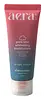
This brightening moisturizer is formulated around Niacinamide and Lactobacillus Ferment to brighten dull-looking skin and refine the look of pores.
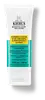
This acne treatment is formulated around Niacinamide and Zinc PCA to clear breakouts and balance excess oil.


What's inside
What's inside
 Key Ingredients
Benefits
Concerns
Ingredients Side-by-side
Water
Skin ConditioningGlycerin
Humectant


Isohexadecane
EmollientNiacinamide
Smoothing









Glyceryl Stearate
Emollient

Caprylic/Capric Triglyceride
Masking
PEG-100 Stearate
Surfactant
Sodium Polyacrylate Starch
AbsorbentBenzyl Glycol
SolventLactobacillus Ferment
Skin Conditioning
Dimethicone
Emollient
Cetearyl Alcohol
Emollient



Thermus Thermophillus Ferment
Skin ConditioningLaminaria Japonica Extract
Skin Protecting
Butylene Glycol
Humectant
Limonia Acidissima Extract
Skin ConditioningBambusa Vulgaris Leaf Extract
Skin ConditioningOldenlandia Diffusa Extract
Skin ConditioningLonicera Caprifolium Extract
AstringentSaccharomyces Ferment Filtrate
Humectant
Panthenol
Skin Conditioning
Disodium EDTA
Ethylhexylglycerin
Skin ConditioningBenzyl Benzoate
Antimicrobial



Lactobacillus Ferment Lysate
Skin Conditioning
Bifida Ferment Lysate
Skin Conditioning
Tocopheryl Acetate
Antioxidant

Caramel
Cosmetic ColorantSaccharomyces Ferment Lysate Filtrate
Skin Conditioning
Raspberry Ketone
Masking
Coumarin
Perfuming
Parfum
Masking
Water, Glycerin, Isohexadecane, Niacinamide, Glyceryl Stearate, Caprylic/Capric Triglyceride, PEG-100 Stearate, Sodium Polyacrylate Starch, Benzyl Glycol, Lactobacillus Ferment, Dimethicone, Cetearyl Alcohol, Thermus Thermophillus Ferment, Laminaria Japonica Extract, Butylene Glycol, Limonia Acidissima Extract, Bambusa Vulgaris Leaf Extract, Oldenlandia Diffusa Extract, Lonicera Caprifolium Extract, Saccharomyces Ferment Filtrate, Panthenol, Disodium EDTA, Ethylhexylglycerin, Benzyl Benzoate, Lactobacillus Ferment Lysate, Bifida Ferment Lysate, Tocopheryl Acetate, Caramel, Saccharomyces Ferment Lysate Filtrate, Raspberry Ketone, Coumarin, Parfum
Water
Skin ConditioningGlycerin
Humectant
Butylene Glycol
Humectant
Niacinamide
Smoothing
Dimethicone
Emollient
Cetearyl Alcohol
Emollient
Isohexadecane
EmollientSodium Hydroxide
BufferingAmmonium Polyacryloyldimethyl Taurate
Emulsion StabilisingLaureth-4
Emulsifying
Polyacrylate Crosspolymer-6
Emulsion StabilisingPropylene Glycol
Humectant
Dipotassium Glycyrrhizate
Humectant
Hydroxyethylcellulose
Emulsion StabilisingDimethiconol
Emollient
Trisodium Ethylenediamine Disuccinate
Zinc PCA
Humectant
Glyceryl Stearate
Emollient
PEG-100 Stearate
Surfactant
Silica Silylate
Emollient
Hydroxypropyl Starch Phosphate
Maltodextrin
Absorbent
Menthol
Masking
Lactobacillus Ferment
Skin Conditioning
Salvia Officinalis Leaf Extract
CleansingChamomilla Recutita Flower Extract
Masking
Salicylic Acid 1.2%
Masking

Water, Glycerin, Butylene Glycol, Niacinamide, Dimethicone, Cetearyl Alcohol, Isohexadecane, Sodium Hydroxide, Ammonium Polyacryloyldimethyl Taurate, Laureth-4, Polyacrylate Crosspolymer-6, Propylene Glycol, Dipotassium Glycyrrhizate, Hydroxyethylcellulose, Dimethiconol, Trisodium Ethylenediamine Disuccinate, Zinc PCA, Glyceryl Stearate, PEG-100 Stearate, Silica Silylate, Hydroxypropyl Starch Phosphate, Maltodextrin, Menthol, Lactobacillus Ferment, Salvia Officinalis Leaf Extract, Chamomilla Recutita Flower Extract, Salicylic Acid 1.2%
Reviews
Ingredients Explained
These ingredients are found in both products.
Ingredients higher up in an ingredient list are typically present in a larger amount.
Butylene Glycol (or BG) is used within cosmetic products for a few different reasons:
Overall, Butylene Glycol is a safe and well-rounded ingredient that works well with other ingredients.
Though this ingredient works well with most skin types, some people with sensitive skin may experience a reaction such as allergic rashes, closed comedones, or itchiness.
Learn more about Butylene GlycolCetearyl alcohol is a waxy mixture of two fatty alcohols: cetyl alcohol and stearyl alcohol. It is an emollient and emulsifier.
Despite having "alcohol" in its name, it has nothing to do with drying solvent alcohols; the FDA also allows "alcohol-free" products to contain fatty alcohols like this ingredient.
It plays several roles in a formula:
Typical use levels for this ingredient sit around 1-10% and the Cosmetic Ingredient Review Expert Panel has affirmed safety at concentrations up to 25% in leave-on products.
Multiple assessments have found it to be non-irritating and non-sensitizing to most people.
However, there have been some cases of allergic contact dermatitis in patients with chronically compromised skin barriers.
Cetearyl alcohol has a comedogenic rating of 2 and irritancy rating of 1. Both of these numbers come from the 1989 study that used rabbit ears; a "2" means mildly comedogenic and a "1" means low irritancy.
Here's the catch: rabbit skin is more sensitive than human skin and throws a lot of false positives. A 1996 reappraisal found that ingredients rated 1-2 in the rabbit ear tests are generally safe for humans.
Remember comedogenic ratings are unable to assess the entire formula of a product or how it will react on your skin. Just be sure to patch test if you are unsure about certain ingredients.
This ingredient is not fungal acne safe. Cetearyl alcohol is a fatty alcohol with chain lengths that fall within the range that Malassezia can metabolize.
A 2019 study has also observed Malassezia growth in the presence of this ingredient, confirming it to be not-fungal acne safe.
Learn more about Cetearyl AlcoholDimethicone is a type of synthetic silicone created from natural materials such as quartz. It is also known as polydimethylsiloxane.
What it does:
Dimethicone comes in different viscosities:
Depending on the viscosity, dimethicone has different properties.
Ingredients lists don't always show which type is used, so we recommend reaching out to the brand if you have questions about the viscosity.
This ingredient is unlikely to cause irritation because it does not get absorbed into skin. However, people with silicone allergies should be careful about using this ingredient.
Note: Dimethicone may contribute to pilling. This is because it is not oil or water soluble, so pilling may occur when layered with products. When mixed with heavy oils in a formula, the outcome is also quite greasy.
Learn more about DimethiconeGlycerin (or glycerol) is a compound naturally found in your skin. It's a powerhouse humectant that pulls water into the stratum corneum.
Topically, glycerin does several things at once:
Your skin makes glycerin on its own (mostly from sebaceous oil breakdown) and shuttles it to your outermost layer of skin, or your epidermis, via aquaporin-3.
Aquaporin-3 is a transporter that is essential for normal skin hydration, elasticity, and repair. Interestingly, mice lacking in AQP3 have dry and less elastic skin that can be fully corrected with glycerin.
This ingredient is non-irritating, plays well with almost every ingredient, and works across all skin types. Typical use is anywhere between 3-10% but can go up to 79% in some leave-on products.
Just know very high concentrations (>40%) can feel tacky in low humidity.
Glycerin is the name for this ingredient in American English. British English uses Glycerol/Glycerine.
Learn more about GlycerinGlyceryl Stearate is made by reacting glycerin with stearic acid (typically sourced from plant oils like palm or coconut). It's an emulsifier, emollient, and mild occlusive.
Emulsifiers help ingredients like oil and water stay mixed so your formula stays nicely blended and uniform in texture.
This ingredient is typically used in concentrations between 1-10%. Studies have found it to be non-sensitizing, non-phototoxic, and non-photoallergenic.
A close cousin of this ingredient is Glyceryl Stearate SE ("self-emulsifying"). This just has a small amount of sodium or potassium stearate added so it can emulsify without a co-emulsifier.
Since this ingredient is an ester of a C18 fatty acid, it may not be fungal acne safe. The Malassezia yeast can potentially metabolize within the C11-C24 range.
Fun fact: The human body also creates Glyceryl Stearate naturally.
Learn more about Glyceryl StearateIsohexadecane is added to enhance texture, emulsify, and to help cleanse. It is an isoparrafin. It is a component of petrolatum.
Due to its large size, Isohexadecane is not absorbed by the skin. Instead, it sits on top and acts as an emollient. Emollients help keep your skin soft and smooth by trapping moisture within.
Isohexadecane is often used in products designed to help oily skin. It is lightweight and non-greasy while helping to moisturize. When mixed with silicones, it gives a product a silky feel.
Learn more about IsohexadecaneThis ingredient is made when the Lactobacillus bacteria (the same kind that makes yogurt and kimchi) are allowed to ferment a nutrient medium.
As it ferments, it collects lactic acid, peptides, enzymes, and other bioactive metabolites to provide:
A 2023 review noted that probiotic fermentation ingredients like this one can enhance antioxidant capacity, reduce UV-induced oxidative damage, and support barrier function.
One clinical study from the same year showed a Lactobacillus ferment lysate significantly reduced transepidermal water loss and improved skin hydration.
Another review highlighted that topical Lactobacillus-based preparations can improve ceramide levels in the stratum corneum, support barrier integrity, and even help reduce S. aureus colonization in atopic dermatitis.
Why is this so cool?
Basically, your skin's outer layer works as a brick wall; skin cells are bricks and ceramides are the mortar holding it together. Moisture escapes, irritants get in, and your skin gets dry and reactive when ceramide levels drop. On top of that, "bad" skin bacteria S. aureus loves to move in when your barrier is weak to make inflammation and irritation worse.
So Lactobacillus ferment is basically patching the wall and evicting the troublemaker when it boosts ceramide production and help keep S. aureus in check.
On top of all this, it also acts as a mild antimicrobial preservative booster.
Just so you know, most studies focus on specific strains or the lysate form rather than this generic "Lactobacillus Ferment", so results can vary.
Though it's a promising ingredient, it doesn't have decades of robust clinical data behind it just yet.
Lactobacillus Ferment is generally considered safe for fungal-acne prone skin. The key thing to understand is that it comes from bacteria, not yeast or fungus.
Yeast-derived ferments (like galactomyces) have been shown to activate a protein that's linked to Malassezia-related skin issues whereas lactobacillus doesn't have that problem.
Its byproducts also don't contain the types of fatty acids (C11-24 chain lengths) that Malassezia feeds on.
Learn more about Lactobacillus FermentNiacinamide is a multitasking form of vitamin B3 that strengthens the skin barrier, reduces pores and dark spots, regulates oil, and improves signs of aging.
And the best part? It's gentle and well-tolerated by most skin types, including sensitive and reactive skin.
You might have heard of "niacin flush", or the reddening of skin that causes itchiness. Niacinamide has not been found to cause this.
In very rare cases, some individuals may not be able to tolerate niacinamide at all or experience an allergic reaction to it.
If you are experiencing flaking, irritation, and dryness with this ingredient, be sure to double check all your products as this ingredient can be found in all categories of skincare.
When incorporating niacinamide into your routine, look out for concentration amounts. Typically, 5% niacinamide provides benefits such as fading dark spots. However, if you have sensitive skin, it is better to begin with a smaller concentration.
When you apply niacinamide to your skin, your body converts it into nicotinamide adenine dinucleotide (NAD). NAD is an essential coenzyme that is already found in your cells as "fuel" and powers countless biological processes.
In your skin, NAD helps repair cell damage, produce new healthy cells, support collagen production, strengthen the skin barrier, and fight environmental stressors (like UV and pollution).
Our natural NAD levels start to decline with age, leading to slower skin repair, visible aging, and a weaker skin barrier. By providing your skin niacinamide, you're recharging your skin's NAD levels. This leads to stronger, healthier, and younger looking skin.
Another name for vitamin B3 is nicotinamide. This vitamin is water-soluble and our bodies don't store it. We obtain Vitamin B3 from either food or skincare. Meat, fish, wheat, yeast, and leafy greens contain vitamin B3.
The type of niacinamide used in skincare is synthetically created.
Learn more about NiacinamidePeg-100 Stearate is an emollient and emulsifier. As an emollient, it helps keep skin soft by trapping moisture in. On the other hand, emulsifiers help prevent oil and water from separating in a product.
PEGS are a hydrophilic polyether compound . There are 100 ethylene oxide monomers in Peg-100 Stearate. Peg-100 Stearate is polyethylene glycol ester of stearic acid.
Water. It's the most common cosmetic ingredient of all. You'll usually see it at the top of ingredient lists, meaning that it makes up the largest part of the product.
So why is it so popular? Water most often acts as a solvent - this means that it helps dissolve other ingredients into the formulation.
You'll also recognize water as that liquid we all need to stay alive. If you see this, drink a glass of water. Remember to stay hydrated!
Learn more about Water

