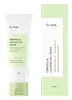
This calming moisturizer is formulated around Centella Asiatica Leaf Water and Melaleuca Alternifolia Leaf Water to calm redness and strengthen the skin barrier.

What's inside
What's inside
 Key Ingredients
Benefits
Concerns
Ingredients Side-by-side
Centella Asiatica Leaf Water
Skin Conditioning


Butylene Glycol
Humectant
Melaleuca Alternifolia Leaf Water
Antimicrobial

Water
Skin Conditioning1,2-Hexanediol
Skin Conditioning
Niacinamide
Smoothing






Methyl Trimethicone
Skin Conditioning
Acrylates/C10-30 Alkyl Acrylate Crosspolymer
Emulsion StabilisingArginine
Masking
Caprylyl Glycol
Emollient
Dimethicone
Emollient
Dimethicone/Vinyl Dimethicone Crosspolymer
Skin Conditioning
Centella Asiatica Extract
Cleansing
Allantoin
Skin Conditioning
Melaleuca Alternifolia Leaf Extract
Perfuming
Ethylhexylglycerin
Skin ConditioningAdenosine
Skin Conditioning
Dipotassium Glycyrrhizate
Humectant
Citrus Aurantium Bergamia Fruit Oil
Masking


Pentylene Glycol
Skin Conditioning
Sodium Hyaluronate
Humectant
Medicago Sativa Extract
TonicBrassica Oleracea Italica Extract
AstringentTriticum Vulgare Sprout Extract
Skin ConditioningBrassica Oleracea Capitata Leaf Extract
Skin ConditioningBrassica Campestris Extract
Skin ConditioningRaphanus Sativus Seed Extract
Skin ConditioningAspalathus Linearis Extract
Skin ConditioningGlycyrrhiza Glabra Root Extract
Bleaching
Commiphora Myrrha Resin Extract
Skin ConditioningPerilla Frutescens Leaf Extract
MaskingCentella Asiatica Leaf Water, Butylene Glycol, Melaleuca Alternifolia Leaf Water, Water, 1,2-Hexanediol, Niacinamide, Methyl Trimethicone, Acrylates/C10-30 Alkyl Acrylate Crosspolymer, Arginine, Caprylyl Glycol, Dimethicone, Dimethicone/Vinyl Dimethicone Crosspolymer, Centella Asiatica Extract, Allantoin, Melaleuca Alternifolia Leaf Extract, Ethylhexylglycerin, Adenosine, Dipotassium Glycyrrhizate, Citrus Aurantium Bergamia Fruit Oil, Pentylene Glycol, Sodium Hyaluronate, Medicago Sativa Extract, Brassica Oleracea Italica Extract, Triticum Vulgare Sprout Extract, Brassica Oleracea Capitata Leaf Extract, Brassica Campestris Extract, Raphanus Sativus Seed Extract, Aspalathus Linearis Extract, Glycyrrhiza Glabra Root Extract, Commiphora Myrrha Resin Extract, Perilla Frutescens Leaf Extract
Water
Skin ConditioningButylene Glycol
Humectant
Glycerin
Humectant
Helianthus Annuus Seed Oil
Emollient

Cetyl Ethylhexanoate
EmollientCetearyl Alcohol
Emollient



Cetearyl Olivate
Sorbitan Olivate
Emulsifying
1,2-Hexanediol
Skin Conditioning
Elaeis Guineensis Oil
Emollient
Betaine
Humectant
Elaeis Guineensis Kernel Oil
Emollient
Butyrospermum Parkii Butter
Skin Conditioning
Hydroxyethyl Acrylate/Sodium Acryloyldimethyl Taurate Copolymer
Emulsion StabilisingBeeswax
Emulsion Stabilising
Cyclohexasiloxane
Emollient
Ethylhexylglycerin
Skin ConditioningPanthenol
Skin Conditioning
Dimethicone/Vinyl Dimethicone Crosspolymer
Skin Conditioning
Limonene
Perfuming
Citrus Aurantium Bergamia Fruit Oil
Masking
Xanthan Gum
EmulsifyingLinalool
Perfuming
Sodium Hyaluronate
Humectant
Ceramide NP
Skin Conditioning
Dipropylene Glycol
HumectantHydroxypropyl Bislauramide Mea
EmollientHydrogenated Lecithin
Emulsifying
Citral
Perfuming
Glyceryl Stearate
Emollient
Ceramide Ns
Skin Conditioning
Ceramide As
Skin Conditioning
Ceramide AP
Skin Conditioning
Cholesterol
Emollient
Ceramide EOP
Skin Conditioning
Water, Butylene Glycol, Glycerin, Helianthus Annuus Seed Oil, Cetyl Ethylhexanoate, Cetearyl Alcohol, Cetearyl Olivate, Sorbitan Olivate, 1,2-Hexanediol, Elaeis Guineensis Oil, Betaine, Elaeis Guineensis Kernel Oil, Butyrospermum Parkii Butter, Hydroxyethyl Acrylate/Sodium Acryloyldimethyl Taurate Copolymer, Beeswax, Cyclohexasiloxane, Ethylhexylglycerin, Panthenol, Dimethicone/Vinyl Dimethicone Crosspolymer, Limonene, Citrus Aurantium Bergamia Fruit Oil, Xanthan Gum, Linalool, Sodium Hyaluronate, Ceramide NP, Dipropylene Glycol, Hydroxypropyl Bislauramide Mea, Hydrogenated Lecithin, Citral, Glyceryl Stearate, Ceramide Ns, Ceramide As, Ceramide AP, Cholesterol, Ceramide EOP
Reviews
Ingredients Explained
These ingredients are found in both products.
Ingredients higher up in an ingredient list are typically present in a larger amount.
1,2-Hexanediol is a synthetic liquid and another multi-functional powerhouse.
It is a:
- Humectant, drawing moisture into the skin
- Emollient, helping to soften skin
- Solvent, dispersing and stabilizing formulas
- Preservative booster, enhancing the antimicrobial activity of other preservatives
Butylene Glycol (or BG) is used within cosmetic products for a few different reasons:
Overall, Butylene Glycol is a safe and well-rounded ingredient that works well with other ingredients.
Though this ingredient works well with most skin types, some people with sensitive skin may experience a reaction such as allergic rashes, closed comedones, or itchiness.
Learn more about Butylene GlycolCitrus Aurantium Bergamia Fruit Oil is the oil from the bergamot orange and is primarily used as a fragrance. It has a "fresh" and "bright orange" scent.
The main aroma compounds found in this ingredient are limonene (~27-52%), linalool (~2-22%), and linalyl acetate (~27-40%). These are known EU fragrance allergens.
The term 'fragrance' is not regulated in many countries. In many cases, it is up to the brand to define this term. For instance, many brands choose to label themselves as "fragrance-free" because they are not using synthetic fragrances. However, their products may still contain ingredients such as essential oils that are considered a fragrance.
When used topically, Citrus Aurantium Bergamia Fruit Oil is a photosensitizer due to the furanocoumarin content. Furanocoumarins absorb UV-A and cause phytophotodermatitis; this can look like redness, blistering, and lasting brown pigmentation on sun-exposed skin.
Due to this, this ingredient is capped at 0.4% in leave-on products applied to sun exposed skin.
Many modern formulas used a "furanocoumarin-free" version that sidesteps the phototoxicity issue, but still contains the fragrance allergens.
Learn more about Citrus Aurantium Bergamia Fruit OilThis ingredient is a silicone elastomer that works as a texture enhancer, adds a silky slip, and also helps absorb excess oil.
Because it's a large macromolecule that's insoluble in water and chemically inert, it's not expected to penetrate or be absorbed into skin.
Human patch tests with a facial lotion containing 1% of this ingredient found no sensitization.
Learn more about Dimethicone/Vinyl Dimethicone CrosspolymerEthylhexylglycerin is created from glycerin. It is a multitasker ingredient that:
The CIR Expert Panel found minimal skin absorption or sensitization of any kind in a safety assessment. Though this ingredient is considered well-tolerated, a small number of cases of allergic dermatitis have been published since 2002. Just be sure to patch test if you are unsure.
Industry-reported use ranges from 8% in rinse-off products and 2% in leave-on formulations.
Learn more about EthylhexylglycerinSodium Hyaluronate is the salt form of hyaluronic acid. It is a long sugar chain that is naturally found in your skin, joints, and connective tissue that maintains hydration and elasticity.
In skincare, it works as a humectant. It pulls water from the environment and deeper layers of skin and binds it to the surface.
Interestingly, the size of the molecule affects its behavior:
Some clinical evidence links low molecular weight versions to improved wrinkle depth, elasticity, anti-inflammatory effects, and barrier repair.
Many serums use a blend of both weights so you can get surface hydration plus longer-lasting and deeper effects.
You'll typically see concentrations between 0.1-2% for this ingredient.
Learn more about Sodium HyaluronateWater. It's the most common cosmetic ingredient of all. You'll usually see it at the top of ingredient lists, meaning that it makes up the largest part of the product.
So why is it so popular? Water most often acts as a solvent - this means that it helps dissolve other ingredients into the formulation.
You'll also recognize water as that liquid we all need to stay alive. If you see this, drink a glass of water. Remember to stay hydrated!
Learn more about Water

