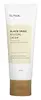
This barrier-repair moisturizer is formulated around Centella Asiatica Leaf Water and Snail Extract to strengthen the skin barrier and calm redness.
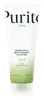
This mild foaming cleanser is made to cleanse without leaving your skin tight or dry.

What's inside
What's inside
 Key Ingredients
Benefits
Concerns
Ingredients Side-by-side
Water
Skin ConditioningCentella Asiatica Leaf Water
Skin Conditioning


Butylene Glycol
Humectant
Butyrospermum Parkii Butter
Skin Conditioning




Cetearyl Alcohol
Emollient

Glycereth-26
Humectant
1,2-Hexanediol
Skin Conditioning
Cetearyl Olivate
Simmondsia Chinensis Seed Oil
Emollient

Camellia Japonica Seed Oil
Emollient
Sorbitan Olivate
Emulsifying
Beeswax
Emulsion Stabilising
Sorbitan Sesquioleate
Emulsifying
Vinyldimethicone

Glyceryl Stearate
Emollient
Arginine
Masking
Acrylates/C10-30 Alkyl Acrylate Crosspolymer
Emulsion StabilisingSnail Extract
Emollient
Xanthan Gum
EmulsifyingSodium Polyacrylate
Absorbent
Adenosine
Skin Conditioning
Disodium EDTA
ChelatingEthylhexylglycerin
Skin ConditioningCentella Asiatica Extract
Cleansing
Scutellaria Baicalensis Root Extract
Astringent
Polygonum Cuspidatum Root Extract
Antioxidant
Dipotassium Glycyrrhizate
Humectant
Camellia Sinensis Leaf Extract
Antimicrobial


Pentylene Glycol
Skin Conditioning
Caprylyl Glycol
Emollient
Cynanchum Atratum Extract
Skin ConditioningChamomilla Recutita Flower Extract
Masking
Rosmarinus Officinalis Leaf Extract
AntimicrobialWater, Centella Asiatica Leaf Water, Butylene Glycol, Butyrospermum Parkii Butter, Cetearyl Alcohol, Glycereth-26, 1,2-Hexanediol, Cetearyl Olivate, Simmondsia Chinensis Seed Oil, Camellia Japonica Seed Oil, Sorbitan Olivate, Beeswax, Sorbitan Sesquioleate, Vinyldimethicone, Glyceryl Stearate, Arginine, Acrylates/C10-30 Alkyl Acrylate Crosspolymer, Snail Extract, Xanthan Gum, Sodium Polyacrylate, Adenosine, Disodium EDTA, Ethylhexylglycerin, Centella Asiatica Extract, Scutellaria Baicalensis Root Extract, Polygonum Cuspidatum Root Extract, Dipotassium Glycyrrhizate, Camellia Sinensis Leaf Extract, Pentylene Glycol, Caprylyl Glycol, Cynanchum Atratum Extract, Chamomilla Recutita Flower Extract, Rosmarinus Officinalis Leaf Extract
Water
Skin ConditioningSodium Cocoyl Isethionate
Cleansing
Glycerin
Humectant
Lauric Acid
Cleansing
Sodium Methyl Cocoyl Taurate
Cleansing
Propanediol
Solvent
Hydroxypropyl Starch Phosphate
Coco-Betaine
Cleansing
Glyceryl Stearate
Emollient
Sodium Chloride
MaskingSodium Benzoate
Masking
Polyquaternium-10
Citric Acid
Buffering
Coconut Acid
Cleansing
Caprylyl Glycol
Emollient
Butylene Glycol
Humectant
1,2-Hexanediol
Skin Conditioning
Vaccinium Macrocarpon Fruit Extract
AstringentAdansonia Digitata Fruit Extract
EmollientOlea Europaea Leaf Extract
Perfuming
Equisetum Arvense Extract
AstringentCamellia Sinensis Leaf Extract
Antimicrobial
Nymphaea Alba Flower Extract
Skin ConditioningSophora Japonica Root Extract
Skin ProtectingDisodium EDTA
ChelatingWater, Sodium Cocoyl Isethionate, Glycerin, Lauric Acid, Sodium Methyl Cocoyl Taurate, Propanediol, Hydroxypropyl Starch Phosphate, Coco-Betaine, Glyceryl Stearate, Sodium Chloride, Sodium Benzoate, Polyquaternium-10, Citric Acid, Coconut Acid, Caprylyl Glycol, Butylene Glycol, 1,2-Hexanediol, Vaccinium Macrocarpon Fruit Extract, Adansonia Digitata Fruit Extract, Olea Europaea Leaf Extract, Equisetum Arvense Extract, Camellia Sinensis Leaf Extract, Nymphaea Alba Flower Extract, Sophora Japonica Root Extract, Disodium EDTA
Reviews
Ingredients Explained
These ingredients are found in both products.
Ingredients higher up in an ingredient list are typically present in a larger amount.
1,2-Hexanediol is a synthetic liquid and another multi-functional powerhouse.
It is a:
- Humectant, drawing moisture into the skin
- Emollient, helping to soften skin
- Solvent, dispersing and stabilizing formulas
- Preservative booster, enhancing the antimicrobial activity of other preservatives
Butylene Glycol (or BG) is used within cosmetic products for a few different reasons:
Overall, Butylene Glycol is a safe and well-rounded ingredient that works well with other ingredients.
Though this ingredient works well with most skin types, some people with sensitive skin may experience a reaction such as allergic rashes, closed comedones, or itchiness.
Learn more about Butylene GlycolCamellia Sinensis Leaf Extract (tea extract) is one of the most well-researched plant extracts in skincare with an impressive resume.
Black tea, green tea, and oolong tea are all harvested from the Camellia Sinensis plant.
Studies show green tea extract and its catechins (like epigallocatechin gallate (EGCG)) help your skin cells product energy more efficiently and reducing the number of free-radicals that can damage your skin from the inside.
In lab-grown skin models, this translated to younger, healthier, and stronger skin.
There's also good sun protection data; researchers saw less DNA damage and redness on human skin when green tea was applied before UVB exposure. And the more they applied, the better the protection.
Needless to say, this ingredient shouldn't replace your sunscreen. But it is a great supportive ingredient that you can already find in many sunscreens and antioxidant serums.
A 2009 study found a 2% green tea lotion was effective for mild-to-moderate acne thanks to its anti-inflammatory and mild antimicrobial activity.
The quality of the extract matters a lot here:
Good extracts contain 50-90% catechins while lower quality ones are mostly there for marketing. We recommend reaching out to the brand if you have questions about the quality or source of their ingredients.
Human Repeated Insult Patch Testing showed no irritation or sensitization at use concentrations (0.86% in leave-on products and up to 30% as leaf water).
Learn more about Camellia Sinensis Leaf ExtractCaprylyl Glycol is a humectant, skin conditioner, emollient, and preservative booster derived from either caprylic acid or synthetically created.
Typical use levels vary from 0.3-1% as a preservative booster and go up to 2% to condition skin.
Because it is not a free-fatty acid, this ingredient is fungal acne safe (there's nothing for Malassezia to feed on).
Learn more about Caprylyl GlycolDisodium EDTA is a chelating agent. It grabs onto and deactivates metal ions that sneak into your products from water, packaging, or air.
This ingredient mainly works behind the scenes and helps with:
On top of that, this ingredient can counteract the effects of hard water by binding to the minerals in it.
One thing worth knowing is that Disodium EDTA has been shown to be a mild penetration enhancer. It can help other ingredients absorb into skin more effectively which can be a double-edged sword (great for actives, but can also make the active too strong if you have sensitive skin).
Clinical patch testing showed no significant skin irritation at typical use concentrations and minimal dermal absorption.
You'll most likely see this ingredient near the end of an ingredient list. It's typically found in concentrations less than 1%.
Learn more about Disodium EDTAGlyceryl Stearate is made by reacting glycerin with stearic acid (typically sourced from plant oils like palm or coconut). It's an emulsifier, emollient, and mild occlusive.
Emulsifiers help ingredients like oil and water stay mixed so your formula stays nicely blended and uniform in texture.
This ingredient is typically used in concentrations between 1-10%. Studies have found it to be non-sensitizing, non-phototoxic, and non-photoallergenic.
A close cousin of this ingredient is Glyceryl Stearate SE ("self-emulsifying"). This just has a small amount of sodium or potassium stearate added so it can emulsify without a co-emulsifier.
Since this ingredient is an ester of a C18 fatty acid, it may not be fungal acne safe. The Malassezia yeast can potentially metabolize within the C11-C24 range.
Fun fact: The human body also creates Glyceryl Stearate naturally.
Learn more about Glyceryl StearateWater. It's the most common cosmetic ingredient of all. You'll usually see it at the top of ingredient lists, meaning that it makes up the largest part of the product.
So why is it so popular? Water most often acts as a solvent - this means that it helps dissolve other ingredients into the formulation.
You'll also recognize water as that liquid we all need to stay alive. If you see this, drink a glass of water. Remember to stay hydrated!
Learn more about Water

