
What's inside
What's inside
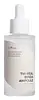 Key Ingredients
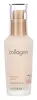
Benefits
Concerns
No concerns
Ingredients Side-by-side
Bifida Ferment Lysate
Skin Conditioning



Dipropylene Glycol
HumectantNiacinamide
Smoothing








Glycerin
Humectant
Lactobacillus/Pumpkin Ferment Extract
Skin ConditioningLactobacillus/Soybean Ferment Extract
Skin ConditioningRice Ferment Filtrate
Skin Conditioning
Sodium Hyaluronate
Humectant
Hydrolyzed Collagen
Emollient
Salix Alba Bark Extract
Astringent
Origanum Vulgare Leaf Extract
Skin ConditioningCinnamomum Zeylanicum Bark Extract
Antimicrobial

Portulaca Oleracea Extract
Skin Conditioning
Chamaecyparis Obtusa Leaf Extract
Skin ConditioningBeta-Glucan
Skin Conditioning
Palmitoyl Oligopeptide
Cleansing
Copper Tripeptide-1
Skin Conditioning
Acetyl Hexapeptide-8
Humectant
Allantoin
Skin Conditioning
Hydroxyethylcellulose
Emulsion StabilisingPanthenol
Skin Conditioning
Carbomer
Emulsion StabilisingArginine
Masking
Butylene Glycol
Humectant
Scutellaria Baicalensis Root Extract
Astringent
Illicium Verum Fruit Extract
Perfuming
Adenosine
Skin Conditioning
1,2-Hexanediol
Skin Conditioning
Disodium EDTA
Bifida Ferment Lysate, Dipropylene Glycol, Niacinamide, Glycerin, Lactobacillus/Pumpkin Ferment Extract, Lactobacillus/Soybean Ferment Extract, Rice Ferment Filtrate, Sodium Hyaluronate, Hydrolyzed Collagen, Salix Alba Bark Extract, Origanum Vulgare Leaf Extract, Cinnamomum Zeylanicum Bark Extract, Portulaca Oleracea Extract, Chamaecyparis Obtusa Leaf Extract, Beta-Glucan, Palmitoyl Oligopeptide, Copper Tripeptide-1, Acetyl Hexapeptide-8, Allantoin, Hydroxyethylcellulose, Panthenol, Carbomer, Arginine, Butylene Glycol, Scutellaria Baicalensis Root Extract, Illicium Verum Fruit Extract, Adenosine, 1,2-Hexanediol, Disodium EDTA
Water
Skin ConditioningHydrolyzed Collagen
Emollient
Glycereth-26
Humectant
Butylene Glycol
Humectant
Cyclomethicone
Emollient
Butylene Glycol Dicaprylate/Dicaprate
EmollientMangifera Indica Seed Butter
Skin Conditioning

PEG-32
HumectantGlyceryl Polyacrylate
Ethoxydiglycol
Humectant
PEG-20 Methyl Glucose Sesquistearate
Emulsifying
Laminaria Japonica Extract
Skin Protecting
Cetyl Alcohol
Emollient

Polysorbate 60
Emulsifying
Polyacrylate-13
Sorbitan Oleate
Emulsifying

Caprylyl Glycol
Emollient
Polyisobutene
Parfum
Masking
Methyl Glucose Sesquistearate
Emollient
Glycerin
Humectant
Ethylhexylglycerin
Skin ConditioningDimethicone
Emollient
Hydrolyzed Malt Extract
Skin ConditioningSaussurea Involucrata Extract
HumectantTocopheryl Acetate
Antioxidant
Panthenol
Skin Conditioning
Stearic Acid
Cleansing
Polysorbate 20
Emulsifying
Arctostaphylos Uva Ursi Leaf Extract
Skin Conditioning
Carbomer
Emulsion StabilisingTriethanolamine
BufferingXanthan Gum
EmulsifyingBHT
Antioxidant
Disodium EDTA
CI 15985
Cosmetic ColorantCI 14700
Cosmetic ColorantWater, Hydrolyzed Collagen, Glycereth-26, Butylene Glycol, Cyclomethicone, Butylene Glycol Dicaprylate/Dicaprate, Mangifera Indica Seed Butter, PEG-32, Glyceryl Polyacrylate, Ethoxydiglycol, PEG-20 Methyl Glucose Sesquistearate, Laminaria Japonica Extract, Cetyl Alcohol, Polysorbate 60, Polyacrylate-13, Sorbitan Oleate, Caprylyl Glycol, Polyisobutene, Parfum, Methyl Glucose Sesquistearate, Glycerin, Ethylhexylglycerin, Dimethicone, Hydrolyzed Malt Extract, Saussurea Involucrata Extract, Tocopheryl Acetate, Panthenol, Stearic Acid, Polysorbate 20, Arctostaphylos Uva Ursi Leaf Extract, Carbomer, Triethanolamine, Xanthan Gum, BHT, Disodium EDTA, CI 15985, CI 14700
Reviews
Ingredients Explained
These ingredients are found in both products.
Ingredients higher up in an ingredient list are typically present in a larger amount.
Butylene Glycol (or BG) is used within cosmetic products for a few different reasons:
Overall, Butylene Glycol is a safe and well-rounded ingredient that works well with other ingredients.
Though this ingredient works well with most skin types, some people with sensitive skin may experience a reaction such as allergic rashes, closed comedones, or itchiness.
Learn more about Butylene GlycolCarbomer is a synthetic thickening and gelling agent. It's basically the ingredient that gives a lot of serums, gels, creams, and sunscreens their smooth, non-sticky texture.
Although legally permitted at very high levels, carbomers are normally used at concentrations below 1%.
It also needs to be neutralized to actually thicken, and because it is a large molecule, it doesn't really penetrate the skin barrier.
Allergy-wise, the risk is very low. Clinical studies show carbomers have low potential for skin irritation/sensitization even at concentrations up to 100%.
A 2024 UK study patch-tested 1,302 patients and found true allergy to the parent group of carbomer to be rare with no confirmed relevant reactions.
Learn more about CarbomerDisodium EDTA is a chelating agent. It grabs onto and deactivates metal ions that sneak into your products from water, packaging, or air.
This ingredient mainly works behind the scenes and helps with:
On top of that, this ingredient can counteract the effects of hard water by binding to the minerals in it.
One thing worth knowing is that Disodium EDTA has been shown to be a mild penetration enhancer. It can help other ingredients absorb into skin more effectively which can be a double-edged sword (great for actives, but can also make the active too strong if you have sensitive skin).
Clinical patch testing showed no significant skin irritation at typical use concentrations and minimal dermal absorption.
You'll most likely see this ingredient near the end of an ingredient list. It's typically found in concentrations less than 1%.
Learn more about Disodium EDTAGlycerin (or glycerol) is a compound naturally found in your skin. It's a powerhouse humectant that pulls water into the stratum corneum.
Topically, glycerin does several things at once:
Your skin makes glycerin on its own (mostly from sebaceous oil breakdown) and shuttles it to your outermost layer of skin, or your epidermis, via aquaporin-3.
Aquaporin-3 is a transporter that is essential for normal skin hydration, elasticity, and repair. Interestingly, mice lacking in AQP3 have dry and less elastic skin that can be fully corrected with glycerin.
This ingredient is non-irritating, plays well with almost every ingredient, and works across all skin types. Typical use is anywhere between 3-10% but can go up to 79% in some leave-on products.
Just know very high concentrations (>40%) can feel tacky in low humidity.
Glycerin is the name for this ingredient in American English. British English uses Glycerol/Glycerine.
Learn more about GlycerinHydrolyzed Collagen is Collagen (usually sourced from fish, bovine, or porcine byproducts) that's been broken down into smaller peptides. This makes it water-soluble and easy to blend into formulations.
In a formula, it works mainly as a skin-conditioning and moisturizing agent.
The small peptides and amino acids (including Natural Moisturizing Factor components like Hydroxyproline, Serine, and Aspartic Acid) help the surface of the skin hold onto water, feel softer, and look temporarily plumper.
This ingredient also has mild film-forming and antioxidant properties with research showing the antioxidant effect is stronger the lower the molecular weight of the peptides.
It's worth being realistic here:
Topically applied Hydrolyzed Collagen conditions the upper layers of skin rather than rebuilding the structural collagen deep in your dermis (the wrinkle-and-firmness benefits people associate with Collagen mostly come from oral supplements in studies, not topicals).
However, recent lab and skin-model work on Hydrolyzed Fish Collagen has shown promising effects on cell viability and wound healing when used as an active.
Typical concentrations range from 0.2-2%, but the percentage can go much higher in rinse-off or hair products (sometimes even above 50%).
Clinical studies on this ingredient showed no irritation, sensitization, or phototoxicity.
If you are looking for vegan collagen, it usually goes by a different INCI name like hydrolyzed soy protein. Vegan collagen is derived from yeast, bacteria, or plant sources.
The results are varied.
A study from 2021 found hydrolyzed collagen increased elasticity and improved wrinkles in 1,125 participants between age 20 and 70. Another study found increased skin thickness in participants between the ages of 45 to 59.
However, It is difficult to prove that oral collagen will end up working on your skin. Many of the studies using hydrolyzed collagen also add several vitamins and nutrients into the test mixture as well.
Further studies are needed at this time.
Learn more about Hydrolyzed CollagenPanthenol is a common ingredient that helps hydrate and soothe the skin. It is found naturally in our skin and hair.
There are two forms of panthenol: D and L.
D-panthenol is also known as dexpanthenol. Most cosmetics use dexpanthenol or a mixture of D and L-panthenol.
Panthenol is famous due to its ability to go deeper into the skin's layers. Using this ingredient has numerous pros (and no cons):
Like hyaluronic acid, panthenol is a humectant. Humectants are able to bind and hold large amounts of water to keep skin hydrated.
This ingredient works well for wound healing. It works by increasing tissue in the wound and helps close open wounds.
Once oxidized, panthenol converts to pantothenic acid. Panthothenic acid is found in all living cells.
This ingredient is also referred to as pro-vitamin B5.
Learn more about Panthenol


