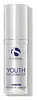
This anti-aging eye moisturizer is formulated around Sodium Hyaluronate and Acetyl Octapeptide-3 to soften the look of wrinkles and hydrate skin.
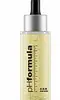
This anti-aging serum is formulated around Saccharomyces/Xylinum/Black Tea Ferment and Palmitoyl Tetrapeptide-7 to soften the look of wrinkles.


What's inside
What's inside
 Key Ingredients
Benefits
Concerns
Ingredients Side-by-side
Water
Skin ConditioningSodium Hyaluronate
Humectant




Caprylic/Capric Triglyceride
Masking
Glycerin
Humectant
Acetyl Octapeptide-3
Humectant
Glyceryl Dilaurate
Emollient

Pseudoalteromonas Ferment Extract
Humectant
Glycosaminoglycans
EmollientHydrolyzed Wheat Protein
Skin ConditioningHydrolyzed Soy Protein
Humectant
Tripeptide-10
Skin Conditioning
Citrulline
Skin ConditioningTripeptide-1
Skin Conditioning
Lecithin
Emollient
Silica Dimethyl Silylate
EmollientDimethicone
Emollient
Cetyl Alcohol
Emollient
Cetearyl Alcohol
Emollient


Ceteareth-20
Cleansing
Glyceryl Stearate
Emollient
PEG-100 Stearate
Surfactant
Urea
Buffering

Glucose
Humectant
Guanidine Hcl
BufferingDipalmitoyl Hydroxyproline
Skin Conditioning
Panthenol
Skin Conditioning
Phospholipids
Skin Conditioning
Dipotassium Glycyrrhizate
Humectant
Butylene Glycol
Humectant
Xanthan Gum
EmulsifyingCarbomer
Emulsion StabilisingTriethanolamine
BufferingPvp
Emulsion StabilisingAsiaticoside
Antioxidant
Asiatic Acid
Skin Conditioning
Madecassic Acid
Skin Conditioning
Retinyl Palmitate
Skin Conditioning


Tocopheryl Acetate
Antioxidant
Ethylhexyl Palmitate
Emollient
Disodium EDTA
Chelating1,2-Hexanediol
Skin Conditioning
Caprylyl Glycol
Emollient
Ascorbyl Palmitate
Antioxidant
Pantothenic Acid
Skin ConditioningWater, Sodium Hyaluronate, Caprylic/Capric Triglyceride, Glycerin, Acetyl Octapeptide-3, Glyceryl Dilaurate, Pseudoalteromonas Ferment Extract, Glycosaminoglycans, Hydrolyzed Wheat Protein, Hydrolyzed Soy Protein, Tripeptide-10, Citrulline, Tripeptide-1, Lecithin, Silica Dimethyl Silylate, Dimethicone, Cetyl Alcohol, Cetearyl Alcohol, Ceteareth-20, Glyceryl Stearate, PEG-100 Stearate, Urea, Glucose, Guanidine Hcl, Dipalmitoyl Hydroxyproline, Panthenol, Phospholipids, Dipotassium Glycyrrhizate, Butylene Glycol, Xanthan Gum, Carbomer, Triethanolamine, Pvp, Asiaticoside, Asiatic Acid, Madecassic Acid, Retinyl Palmitate, Tocopheryl Acetate, Ethylhexyl Palmitate, Disodium EDTA, 1,2-Hexanediol, Caprylyl Glycol, Ascorbyl Palmitate, Pantothenic Acid
Pentylene Glycol
Skin Conditioning
Saccharomyces/Xylinum/Black Tea Ferment
Skin Conditioning
Butylene Glycol
Humectant
Caprylic/Capric Triglyceride
Masking
Zymomonas Ferment Extract
HumectantOlea Europaea Callus Culture Lysate
Skin ConditioningCarbomer
Emulsion StabilisingBiosaccharide Gum-1
Humectant
Alcohol Denat.
Antimicrobial


Saccharomyces Lysate Extract
Humectant
Sodium Hydroxide
BufferingMalpighia Glabra Fruit Extract
Skin ConditioningSodium Acetylated Hyaluronate
Humectant
Lactobacillus/Sodium Hyaluronate Ferment Filtrate
EmollientSodium Levulinate
Skin ConditioningPotassium Sorbate
Preservative
Sodium Hyaluronate Crosspolymer
Humectant
Sodium Anisate
AntimicrobialHydrolyzed Sodium Hyaluronate
Skin Conditioning
Ethylhexylglycerin
Skin ConditioningPalmitoyl Tetrapeptide-7
Skin Conditioning
Pentylene Glycol, Saccharomyces/Xylinum/Black Tea Ferment, Butylene Glycol, Caprylic/Capric Triglyceride, Zymomonas Ferment Extract, Olea Europaea Callus Culture Lysate, Carbomer, Biosaccharide Gum-1, Alcohol Denat., Saccharomyces Lysate Extract, Sodium Hydroxide, Malpighia Glabra Fruit Extract, Sodium Acetylated Hyaluronate, Lactobacillus/Sodium Hyaluronate Ferment Filtrate, Sodium Levulinate, Potassium Sorbate, Sodium Hyaluronate Crosspolymer, Sodium Anisate, Hydrolyzed Sodium Hyaluronate, Ethylhexylglycerin, Palmitoyl Tetrapeptide-7
Ingredients Explained
These ingredients are found in both products.
Ingredients higher up in an ingredient list are typically present in a larger amount.
Butylene Glycol (or BG) is used within cosmetic products for a few different reasons:
Overall, Butylene Glycol is a safe and well-rounded ingredient that works well with other ingredients.
Though this ingredient works well with most skin types, some people with sensitive skin may experience a reaction such as allergic rashes, closed comedones, or itchiness.
Learn more about Butylene GlycolCaprylic/Capric Triglyceride (aka MCT Oil) is a lightweight emollient, solvent, and texture enhancer. It is considered a skin-softener by helping to prevent moisture loss.
Though it behaves like an oil, it is not technically one due to its chemical composition. One perk of this ingredient is that it is very stable, resistant to oxidation, and unlikely to go rancid.
In practice, that translates to a long shelf life and a consistently elegant skin feel.
While there is an assumption Caprylic Triglyceride can clog pores due to it being derived from coconut oil, there is no research supporting this. Just patch test if you have concerns.
Fractionated coconut oil and MCT Oil are both listed as Caprylic/Capric Triglyceride according to INCI. This is because INCI names are based on the ingredient’s final chemical composition and not its marketing name or source.
This ingredient is treated as the gold standard fungal acne safe oil. Even though it is coconut derived, the problematic lauric acid is stripped out.
This leaves just caprylic (C8) and capric (C10) acid. These chain lengths actually trend antifungal; a 2020 study found caprylic acid was enough to disrupt Malassezia furfur cell membrane, with a caprylic acid derivative damaging membrane structures at concentrations as low as 0.2%.
Learn more about Caprylic/Capric TriglycerideCarbomer is a synthetic thickening and gelling agent. It's basically the ingredient that gives a lot of serums, gels, creams, and sunscreens their smooth, non-sticky texture.
Although legally permitted at very high levels, carbomers are normally used at concentrations below 1%.
It also needs to be neutralized to actually thicken, and because it is a large molecule, it doesn't really penetrate the skin barrier.
Allergy-wise, the risk is very low. Clinical studies show carbomers have low potential for skin irritation/sensitization even at concentrations up to 100%.
A 2024 UK study patch-tested 1,302 patients and found true allergy to the parent group of carbomer to be rare with no confirmed relevant reactions.
Learn more about Carbomer

