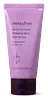
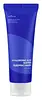
innisfree Youth-Enriched Sleeping Mask With Orchid Versus Isntree Hyaluronic Acid Water Sleeping Mask
This anti-aging overnight mask is formulated around Niacinamide and Adenosine to soften the look of wrinkles.
This hydrating overnight mask is formulated around Beta-Glucan and Sodium Hyaluronate to hydrate skin and strengthen the skin barrier.

What's inside
What's inside
 Key Ingredients
Benefits
Concerns
No concerns
Ingredients Side-by-side
Water
Skin ConditioningCyclopentasiloxane
Emollient
Propanediol
Solvent

Cyclohexasiloxane
Emollient
Glycerin
Humectant
Dimethicone
Emollient
Betaine
Humectant
PEG-10 Dimethicone
Skin Conditioning
Niacinamide
Smoothing








Polymethylsilsesquioxane
Dimethicone/Vinyl Dimethicone Crosspolymer
Skin Conditioning
Sodium Chloride
MaskingDimethiconol
Emollient
Glyceryl Caprylate
EmollientCaprylic/Capric Triglyceride
Masking
Parfum
Masking




Disodium EDTA
ChelatingEthylhexylglycerin
Skin ConditioningAdenosine
Skin Conditioning
Dextrin
AbsorbentTheobroma Cacao Extract
Skin ConditioningHyaluronic Acid
Humectant
Glucose
Humectant
Orchid Extract
Skin ConditioningRosa Canina Flower Oil
Emollient

Citrus Aurantium Dulcis Oil
Masking
Lavandula Angustifolia Oil
Masking
Tocopherol
Antioxidant

Water, Cyclopentasiloxane, Propanediol, Cyclohexasiloxane, Glycerin, Dimethicone, Betaine, PEG-10 Dimethicone, Niacinamide, Polymethylsilsesquioxane, Dimethicone/Vinyl Dimethicone Crosspolymer, Sodium Chloride, Dimethiconol, Glyceryl Caprylate, Caprylic/Capric Triglyceride, Parfum, Disodium EDTA, Ethylhexylglycerin, Adenosine, Dextrin, Theobroma Cacao Extract, Hyaluronic Acid, Glucose, Orchid Extract, Rosa Canina Flower Oil, Citrus Aurantium Dulcis Oil, Lavandula Angustifolia Oil, Tocopherol
Water
Skin ConditioningMethylpropanediol
SolventBeta-Glucan
Skin Conditioning
1,2-Hexanediol
Skin Conditioning
Butylene Glycol
Humectant
Polyquaternium-51
Skin Conditioning
Sodium Hyaluronate
Humectant
Centella Asiatica Extract
Cleansing
Ficus Carica Fruit Extract
Humectant
Dioscorea Opposita Root
Skin ConditioningGlycosyl Trehalose
Emulsion StabilisingHydrogenated Starch Hydrolysate
HumectantBetaine
Humectant
Sodium Chloride
MaskingSodium PCA
Humectant
Panthenol
Skin Conditioning
Carbomer
Emulsion StabilisingHydrolyzed Corn Starch
HumectantAllantoin
Skin Conditioning
Sucrose
Humectant
Ceramide NP
Skin Conditioning
Tocopherol
Antioxidant
Potassium Laurate
EmulsifyingHydroxypropyltrimonium Hyaluronate
Hydrolyzed Hyaluronic Acid
Humectant
Sodium Acetylated Hyaluronate
Humectant
Dipropylene Glycol
HumectantGlycerin
Humectant
Hydrogenated Lecithin
Emulsifying
Tromethamine
BufferingCitric Acid
Buffering
Trisodium EDTA
ChelatingEthylhexylglycerin
Skin ConditioningDimethicone
Emollient
PEG-240/Hdi Copolymer Bis-Decyltetradeceth-20 Ether
StabilisingAscorbyl Propyl Hyaluronate
Skin Conditioning
Water, Methylpropanediol, Beta-Glucan, 1,2-Hexanediol, Butylene Glycol, Polyquaternium-51, Sodium Hyaluronate, Centella Asiatica Extract, Ficus Carica Fruit Extract, Dioscorea Opposita Root, Glycosyl Trehalose, Hydrogenated Starch Hydrolysate, Betaine, Sodium Chloride, Sodium PCA, Panthenol, Carbomer, Hydrolyzed Corn Starch, Allantoin, Sucrose, Ceramide NP, Tocopherol, Potassium Laurate, Hydroxypropyltrimonium Hyaluronate, Hydrolyzed Hyaluronic Acid, Sodium Acetylated Hyaluronate, Dipropylene Glycol, Glycerin, Hydrogenated Lecithin, Tromethamine, Citric Acid, Trisodium EDTA, Ethylhexylglycerin, Dimethicone, PEG-240/Hdi Copolymer Bis-Decyltetradeceth-20 Ether, Ascorbyl Propyl Hyaluronate
Reviews
Ingredients Explained
These ingredients are found in both products.
Ingredients higher up in an ingredient list are typically present in a larger amount.
Betaine is a humectant. Like hyaluronic acid, it helps attract and retain moisture in the skin. It’s known for being gentle and for helping the skin maintain balanced hydration.
Betaine is mainly used to improve hydration and support calmer skin. It helps skin cells regulate water balance because it functions as an osmolyte.
Some studies suggest betaine may support making skin tone more even.
Fun fact: Betaine naturally exists in the skin and the body. In cosmetic products, it can be either plant-derived (most commonly from sugar beets) or synthetically produced for consistency and stability.
Betaine is also known as trimethylglycine.
Learn more about BetaineDimethicone is a type of synthetic silicone created from natural materials such as quartz. It is also known as polydimethylsiloxane.
What it does:
Dimethicone comes in different viscosities:
Depending on the viscosity, dimethicone has different properties.
Ingredients lists don't always show which type is used, so we recommend reaching out to the brand if you have questions about the viscosity.
This ingredient is unlikely to cause irritation because it does not get absorbed into skin. However, people with silicone allergies should be careful about using this ingredient.
Note: Dimethicone may contribute to pilling. This is because it is not oil or water soluble, so pilling may occur when layered with products. When mixed with heavy oils in a formula, the outcome is also quite greasy.
Learn more about DimethiconeEthylhexylglycerin is created from glycerin. It is a multitasker ingredient that:
The CIR Expert Panel found minimal skin absorption or sensitization of any kind in a safety assessment. Though this ingredient is considered well-tolerated, a small number of cases of allergic dermatitis have been published since 2002. Just be sure to patch test if you are unsure.
Industry-reported use ranges from 8% in rinse-off products and 2% in leave-on formulations.
Learn more about EthylhexylglycerinGlycerin (or glycerol) is a compound naturally found in your skin. It's a powerhouse humectant that pulls water into the stratum corneum.
Topically, glycerin does several things at once:
Your skin makes glycerin on its own (mostly from sebaceous oil breakdown) and shuttles it to your outermost layer of skin, or your epidermis, via aquaporin-3.
Aquaporin-3 is a transporter that is essential for normal skin hydration, elasticity, and repair. Interestingly, mice lacking in AQP3 have dry and less elastic skin that can be fully corrected with glycerin.
This ingredient is non-irritating, plays well with almost every ingredient, and works across all skin types. Typical use is anywhere between 3-10% but can go up to 79% in some leave-on products.
Just know very high concentrations (>40%) can feel tacky in low humidity.
Glycerin is the name for this ingredient in American English. British English uses Glycerol/Glycerine.
Learn more about GlycerinChances are, you eat sodium chloride every day. Sodium Chloride is also known as table salt. This ingredient has many purposes in skincare: thickener, emulsifier, and exfoliator.
You'll most likely find this ingredient in cleansers where it is used to create a gel-like texture. As an emulsifier, it also prevents ingredients from separating.
You might see people debate whether Sodium Chloride is comedogenic, but there actually haven't been any comedogenic tests done on it. Either way, the overall formulation of a product matters a lot more than any single ingredient.
You might see this ingredient used in scrubs as a primary exfoliating ingredient.
Learn more about Sodium ChlorideTocopherol is a fat-soluble antioxidant known as Vitamin E.
You'll find this ingredient in the vast majority of skincare (for good reason). It works to neutralize free radicals, or unstable molecules generated by UV exposure, pollution, and other environmental stressors, before they can cause oxidative damage to your skin cells.
Topically applied tocopherol has been shown to protect against UV damage by ramping up the skin's own natural defense enzymes.
It also acts as a skin conditioning agent; some studies show that regular topical use can improve the skin's water-binding capacity over 2-4 weeks.
This ingredient is especially loved for being a team player. When combined with Vitamin C, the photoprotective effect of both ingredients roughly doubles and the combo also helps reduce UV-induced DNA damage.
This ingredient has some brightening potential but it's more of a prevention ingredient than spot-fader. Cell studies show it can slow down melanin production but it's worth noting that it's not the most powerful brightener out there.
In formulations, it also serves as a stabilizer that helps protect other oxidation-prone ingredients from degrading.
Concentrations usually range from 0.1-1% in most leave-on products.
Learn more about TocopherolWater. It's the most common cosmetic ingredient of all. You'll usually see it at the top of ingredient lists, meaning that it makes up the largest part of the product.
So why is it so popular? Water most often acts as a solvent - this means that it helps dissolve other ingredients into the formulation.
You'll also recognize water as that liquid we all need to stay alive. If you see this, drink a glass of water. Remember to stay hydrated!
Learn more about Water

