innisfree Vitamin C Niacinamide Brightening Eye Serum Versus innisfree Green Tea Enzyme Vitamin C Brightening Serum
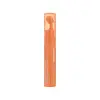
This brightening eye moisturizer is formulated around Niacinamide and 3-O-Ethyl Ascorbic Acid to brighten dull-looking skin and fade the look of dark spots.
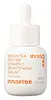
This brightening serum is formulated around 3-O-Ethyl Ascorbic Acid and Niacinamide to brighten dull-looking skin and refine skin texture.

What's inside
What's inside
 Key Ingredients
Benefits
Concerns
Ingredients Side-by-side
Water
Skin ConditioningGlycerin
Humectant


Butylene Glycol
Humectant
Niacinamide
Smoothing









Diethoxyethyl Succinate
Solvent3-O-Ethyl Ascorbic Acid
Skin Conditioning
Ammonium Acryloyldimethyltaurate/Vp Copolymer
1,2-Hexanediol
Skin Conditioning
Trehalose
Humectant
Betaine
Humectant
CI 77891
Cosmetic ColorantCitrus Unshiu Fruit Water
Skin ConditioningCitric Acid
Buffering

Propanediol
Solvent
Glyceryl Polymethacrylate
Mica
Cosmetic ColorantHydroxyethyl Acrylate/Sodium Acryloyldimethyl Taurate Copolymer
Emulsion StabilisingEthylhexylglycerin
Skin ConditioningSilica
Abrasive
Xanthan Gum
EmulsifyingDextrin
AbsorbentCarthamus Tinctorius Flower Extract
Skin ConditioningCitrus Sphaerocarpa Peel Extract
Sodium Citrate
BufferingSodium Metaphosphate
BufferingCI 77491
Cosmetic ColorantSorbitan Isostearate
Emulsifying
Citrus Unshiu Peel Extract
MaskingTin Oxide
Abrasive
Cyclodextrin
AbsorbentProtease
Exfoliating
Caprylyl Glycol
Emollient
Acetyl Heptapeptide-4
Humectant
Hexapeptide-9
Skin Conditioning
Acetyl Hexapeptide-8
Humectant
Sodium Hydroxide
BufferingAcetyl Octapeptide-3
Humectant
Acetyl Tetrapeptide-2
Skin Conditioning
Water, Glycerin, Butylene Glycol, Niacinamide, Diethoxyethyl Succinate, 3-O-Ethyl Ascorbic Acid, Ammonium Acryloyldimethyltaurate/Vp Copolymer, 1,2-Hexanediol, Trehalose, Betaine, CI 77891, Citrus Unshiu Fruit Water, Citric Acid, Propanediol, Glyceryl Polymethacrylate, Mica, Hydroxyethyl Acrylate/Sodium Acryloyldimethyl Taurate Copolymer, Ethylhexylglycerin, Silica, Xanthan Gum, Dextrin, Carthamus Tinctorius Flower Extract, Citrus Sphaerocarpa Peel Extract, Sodium Citrate, Sodium Metaphosphate, CI 77491, Sorbitan Isostearate, Citrus Unshiu Peel Extract, Tin Oxide, Cyclodextrin, Protease, Caprylyl Glycol, Acetyl Heptapeptide-4, Hexapeptide-9, Acetyl Hexapeptide-8, Sodium Hydroxide, Acetyl Octapeptide-3, Acetyl Tetrapeptide-2
Water
Skin ConditioningPropanediol
Solvent
1,2-Hexanediol
Skin Conditioning
Glycerin
Humectant
3-O-Ethyl Ascorbic Acid
Skin Conditioning
Butylene Glycol
Humectant
Lactobacillus Ferment Lysate
Skin Conditioning
Squalane
Emollient
Helianthus Annuus Seed Oil
Emollient
Dextrin
AbsorbentAcrylates/C10-30 Alkyl Acrylate Crosspolymer
Emulsion StabilisingCaprylic/Capric Triglyceride
Masking
Tromethamine
BufferingXanthan Gum
EmulsifyingGluconolactone
Chelating
Citrus Reticulata Peel Extract
Skin ConditioningPanthenol
Skin Conditioning
Niacinamide
Smoothing
Allantoin
Skin Conditioning
Daucus Carota Sativa Root Extract
Skin Conditioning
Hyaluronic Acid
Humectant
Pentylene Glycol
Skin Conditioning
Sodium Metaphosphate
BufferingSilica Dimethyl Silylate
EmollientCyclodextrin
AbsorbentTocopherol
Antioxidant

Ethylhexylglycerin
Skin ConditioningMadecassoside
Antioxidant
Hydrogenated Poly(C6-20 Olefin)
Abrasive
Protease
Exfoliating
Ascorbyl Tetraisopalmitate
Antioxidant
Glutathione
Achillea Millefolium Extract
CleansingHdi/Trimethylol Hexyllactone Crosspolymer
Beta-Carotene
Skin ConditioningFerulic Acid
Antimicrobial
Water, Propanediol, 1,2-Hexanediol, Glycerin, 3-O-Ethyl Ascorbic Acid, Butylene Glycol, Lactobacillus Ferment Lysate, Squalane, Helianthus Annuus Seed Oil, Dextrin, Acrylates/C10-30 Alkyl Acrylate Crosspolymer, Caprylic/Capric Triglyceride, Tromethamine, Xanthan Gum, Gluconolactone, Citrus Reticulata Peel Extract, Panthenol, Niacinamide, Allantoin, Daucus Carota Sativa Root Extract, Hyaluronic Acid, Pentylene Glycol, Sodium Metaphosphate, Silica Dimethyl Silylate, Cyclodextrin, Tocopherol, Ethylhexylglycerin, Madecassoside, Hydrogenated Poly(C6-20 Olefin), Protease, Ascorbyl Tetraisopalmitate, Glutathione, Achillea Millefolium Extract, Hdi/Trimethylol Hexyllactone Crosspolymer, Beta-Carotene, Ferulic Acid
Reviews
Ingredients Explained
These ingredients are found in both products.
Ingredients higher up in an ingredient list are typically present in a larger amount.
1,2-Hexanediol is a synthetic liquid and another multi-functional powerhouse.
It is a:
- Humectant, drawing moisture into the skin
- Emollient, helping to soften skin
- Solvent, dispersing and stabilizing formulas
- Preservative booster, enhancing the antimicrobial activity of other preservatives
3-O-Ethyl Ascorbic Acid is one of the most popular "stable" vitamin C derivatives in skincare.
Plain ascorbic acid is fantastic but notoriously fragile; it browns, oxidizes, and loses potency fast. So attaching an ethyl group to the third carbon of the molecule gives it some cool perks:
In a formula, it does the 3 classic vitamin C jobs: it acts as an antioxidant, helps brighten skin tone by inhibiting tyrosinase, and supports collagen.
The evidence is reasonably solid for a cosmetic ingredient; Liao and colleagues (2018) showed it's significantly more stable than ascorbic acid while still being effective.
A 2021 study by Zerbinati and colleagues tested a serum with 30% 3-O-ethyl-l-ascorbic acid and 1% lactic acid significantly increased collagen production, reduced UVB-induced DNA damage, and decreased melanin on a reconstructed pigmented skin model.
Typical real world usage sits around 0.5-5% (and 1-2% is common for daily serums).
Amounts up to 30% have been shown to be non-irritating on human skin samples, but two isolated cases reported allergic contact dermatitis so a patch test is sensible if you have reactive skin.
Learn more about 3-O-Ethyl Ascorbic AcidButylene Glycol (or BG) is used within cosmetic products for a few different reasons:
Overall, Butylene Glycol is a safe and well-rounded ingredient that works well with other ingredients.
Though this ingredient works well with most skin types, some people with sensitive skin may experience a reaction such as allergic rashes, closed comedones, or itchiness.
Learn more about Butylene GlycolCyclodextrins are ring-shaped sugar molecules made from starch. It is used to stabilize, protect, and slowly release active ingredients.
This ingredient can help prevent oxidation, reduce irritation from strong actives, and make certain ingredients absorb better once applied.
Once applied to your skin, enzymes gradually break down the cyclodextrin "ring"; this releases the active ingredient in a controlled way.
Learn more about CyclodextrinDextrin is a starch-derived polysaccharide. It's made by partially breaking down corn, potato, or other plant starches.
Think of it as "half-processed" starch; it's less complex than the original but not fully broken down into sugar like maltodextrin.
In cosmetics, it mainly functions as a bulking agent, viscosity controller, binder, and absorbent. It helps thicken products, stabilize powders, and get certain textures a less "wet" feel.
This ingredient has a pretty solid safety profile; it's recognized as a safe food additive and its large molecular size means it doesn't meaningfully penetrate skin.
Human repeat insult patch tests using a rinse-off facial product containing 42.69% dextrin found no skin irritation or sensitization in 54 subjects.
Typical real-world usage is much lower: usually under 1% as a texture modifier and up to 40% in masks (rinse off products use less).
Learn more about DextrinEthylhexylglycerin is created from glycerin. It is a multitasker ingredient that:
The CIR Expert Panel found minimal skin absorption or sensitization of any kind in a safety assessment. Though this ingredient is considered well-tolerated, a small number of cases of allergic dermatitis have been published since 2002. Just be sure to patch test if you are unsure.
Industry-reported use ranges from 8% in rinse-off products and 2% in leave-on formulations.
Learn more about EthylhexylglycerinGlycerin (or glycerol) is a compound naturally found in your skin. It's a powerhouse humectant that pulls water into the stratum corneum.
Topically, glycerin does several things at once:
Your skin makes glycerin on its own (mostly from sebaceous oil breakdown) and shuttles it to your outermost layer of skin, or your epidermis, via aquaporin-3.
Aquaporin-3 is a transporter that is essential for normal skin hydration, elasticity, and repair. Interestingly, mice lacking in AQP3 have dry and less elastic skin that can be fully corrected with glycerin.
This ingredient is non-irritating, plays well with almost every ingredient, and works across all skin types. Typical use is anywhere between 3-10% but can go up to 79% in some leave-on products.
Just know very high concentrations (>40%) can feel tacky in low humidity.
Glycerin is the name for this ingredient in American English. British English uses Glycerol/Glycerine.
Learn more about GlycerinNiacinamide is a multitasking form of vitamin B3 that strengthens the skin barrier, reduces pores and dark spots, regulates oil, and improves signs of aging.
And the best part? It's gentle and well-tolerated by most skin types, including sensitive and reactive skin.
You might have heard of "niacin flush", or the reddening of skin that causes itchiness. Niacinamide has not been found to cause this.
In very rare cases, some individuals may not be able to tolerate niacinamide at all or experience an allergic reaction to it.
If you are experiencing flaking, irritation, and dryness with this ingredient, be sure to double check all your products as this ingredient can be found in all categories of skincare.
When incorporating niacinamide into your routine, look out for concentration amounts. Typically, 5% niacinamide provides benefits such as fading dark spots. However, if you have sensitive skin, it is better to begin with a smaller concentration.
When you apply niacinamide to your skin, your body converts it into nicotinamide adenine dinucleotide (NAD). NAD is an essential coenzyme that is already found in your cells as "fuel" and powers countless biological processes.
In your skin, NAD helps repair cell damage, produce new healthy cells, support collagen production, strengthen the skin barrier, and fight environmental stressors (like UV and pollution).
Our natural NAD levels start to decline with age, leading to slower skin repair, visible aging, and a weaker skin barrier. By providing your skin niacinamide, you're recharging your skin's NAD levels. This leads to stronger, healthier, and younger looking skin.
Another name for vitamin B3 is nicotinamide. This vitamin is water-soluble and our bodies don't store it. We obtain Vitamin B3 from either food or skincare. Meat, fish, wheat, yeast, and leafy greens contain vitamin B3.
The type of niacinamide used in skincare is synthetically created.
Learn more about NiacinamidePropanediol is an all-star ingredient. It softens, hydrates, and smooths the skin.
It’s often used to:
Propanediol is not likely to cause sensitivity and considered safe to use. It is derived from corn or petroleum with a clear color and no scent.
Learn more about PropanediolProtease is an enzyme that works as a gentle exfoliant by mimicking something your skin already does naturally.
Your skin uses proteolytic enzymes to carry out desquamation; this is the process of shedding dead skin cells from the stratum corneum.
In skincare, proteases act as biological catalysts that mimic this natural desquamation process. You can think of it as giving your skin's own renewal system a nudge.
By breaking down the bonds that hold dead skin cells together, proteases help accelerate cell turnover to:
One reason they're becoming a popular AHA alternative is because proteases are considered effective while also being well-tolerated on skin. Because they work at a protein level rather than by lowering the skin pH, they can be a good option for those sensitive to AHAs.
Available in vitro and in vivo studies show positive exfoliant results but clinical (human) trials specifically on enzymatic exfoliation are still limited at this time.
Just one thing worth noting: temperature, pH, and stabilization are important factors that affect enzyme activity. The formulation quality definitely matters with this ingredient.
This ingredient can be either microbial sourced or plant-derived (papain from papaya, bromelain from pineapple).
Learn more about ProteaseWe don't have a description for Sodium Metaphosphate yet.
Water. It's the most common cosmetic ingredient of all. You'll usually see it at the top of ingredient lists, meaning that it makes up the largest part of the product.
So why is it so popular? Water most often acts as a solvent - this means that it helps dissolve other ingredients into the formulation.
You'll also recognize water as that liquid we all need to stay alive. If you see this, drink a glass of water. Remember to stay hydrated!
Learn more about WaterXanthan gum is used as a stabilizer and thickener within cosmetic products. It helps give products a sticky, thick feeling - preventing them from being too runny.
On the technical side of things, xanthan gum is a polysaccharide - a combination consisting of multiple sugar molecules bonded together.
Xanthan gum is a pretty common and great ingredient. It is a natural, non-toxic, non-irritating ingredient that is also commonly used in food products.
Learn more about Xanthan Gum

