

What's inside
What's inside
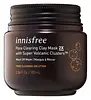 Key Ingredients
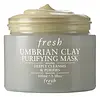
Benefits
Concerns
Ingredients Side-by-side
Water
Skin ConditioningCI 77891
Cosmetic ColorantButylene Glycol
Humectant

Silica
Abrasive


Glycerin
Humectant
Trehalose
Humectant
Volcanic Ash
Abrasive
Polyvinyl Alcohol
Bentonite
Absorbent
Kaolin
Abrasive
Caprylic/Capric Triglyceride
Masking
Glyceryl Stearate
Emollient

Stearic Acid
Cleansing
Cetearyl Alcohol
Emollient


Pvp
Emulsion Stabilising1,2-Hexanediol
Skin Conditioning
PEG-100 Stearate
Surfactant
Polysorbate 60
Emulsifying
CI 77499
Cosmetic ColorantHydrogenated Vegetable Oil
Emollient
Xanthan Gum
EmulsifyingJuglans Regia Shell Powder
Abrasive
Sorbitan Stearate
Emulsifying
Zea Mays Starch
Absorbent
Polyacrylate-13
Polysorbate 20
Emulsifying
CI 77492
Cosmetic ColorantMannitol
Humectant
Microcrystalline Cellulose
AbsorbentLactic Acid/Glycolic Acid Copolymer
Skin ConditioningLactic Acid
Buffering



Polyisobutene
CI 77491
Cosmetic ColorantMenthoxypropanediol
Masking
Tetrasodium Pyrophosphate
BufferingDisodium EDTA
ChelatingEthylhexylglycerin
Skin ConditioningSorbitan Isostearate
Emulsifying
Aluminum Hydroxide
EmollientTriethoxycaprylylsilane

Tocopherol
Antioxidant


Water, CI 77891, Butylene Glycol, Silica, Glycerin, Trehalose, Volcanic Ash, Polyvinyl Alcohol, Bentonite, Kaolin, Caprylic/Capric Triglyceride, Glyceryl Stearate, Stearic Acid, Cetearyl Alcohol, Pvp, 1,2-Hexanediol, PEG-100 Stearate, Polysorbate 60, CI 77499, Hydrogenated Vegetable Oil, Xanthan Gum, Juglans Regia Shell Powder, Sorbitan Stearate, Zea Mays Starch, Polyacrylate-13, Polysorbate 20, CI 77492, Mannitol, Microcrystalline Cellulose, Lactic Acid/Glycolic Acid Copolymer, Lactic Acid, Polyisobutene, CI 77491, Menthoxypropanediol, Tetrasodium Pyrophosphate, Disodium EDTA, Ethylhexylglycerin, Sorbitan Isostearate, Aluminum Hydroxide, Triethoxycaprylylsilane, Tocopherol
Solum Fullonum
AbsorbentWater
Skin ConditioningGlycerin
Humectant
Butylene Glycol
Humectant
Pentylene Glycol
Skin Conditioning
Cocamidopropyl Betaine
Cleansing
Vitis Vinifera Seed Oil
Emollient
Olea Europaea Leaf Extract
Perfuming
Xanthan Gum
EmulsifyingFusanus Spicatus Wood Oil
Masking
Lavandula Angustifolia Flower Water
Skin Conditioning
Anthemis Nobilis Flower Oil
Masking
Sodium Chloride
MaskingPolyacrylamide
C13-14 Isoparaffin
Emollient
Laureth-7
EmulsifyingBHT
Antioxidant
Phenoxyethanol
Preservative
Farnesol
Perfuming
Linalool
Perfuming
Solum Fullonum, Water, Glycerin, Butylene Glycol, Pentylene Glycol, Cocamidopropyl Betaine, Vitis Vinifera Seed Oil, Olea Europaea Leaf Extract, Xanthan Gum, Fusanus Spicatus Wood Oil, Lavandula Angustifolia Flower Water, Anthemis Nobilis Flower Oil, Sodium Chloride, Polyacrylamide, C13-14 Isoparaffin, Laureth-7, BHT, Phenoxyethanol, Farnesol, Linalool
Reviews
Ingredients Explained
These ingredients are found in both products.
Ingredients higher up in an ingredient list are typically present in a larger amount.
Butylene Glycol (or BG) is used within cosmetic products for a few different reasons:
Overall, Butylene Glycol is a safe and well-rounded ingredient that works well with other ingredients.
Though this ingredient works well with most skin types, some people with sensitive skin may experience a reaction such as allergic rashes, closed comedones, or itchiness.
Learn more about Butylene GlycolGlycerin (or glycerol) is a compound naturally found in your skin. It's a powerhouse humectant that pulls water into the stratum corneum.
Topically, glycerin does several things at once:
Your skin makes glycerin on its own (mostly from sebaceous oil breakdown) and shuttles it to your outermost layer of skin, or your epidermis, via aquaporin-3.
Aquaporin-3 is a transporter that is essential for normal skin hydration, elasticity, and repair. Interestingly, mice lacking in AQP3 have dry and less elastic skin that can be fully corrected with glycerin.
This ingredient is non-irritating, plays well with almost every ingredient, and works across all skin types. Typical use is anywhere between 3-10% but can go up to 79% in some leave-on products.
Just know very high concentrations (>40%) can feel tacky in low humidity.
Glycerin is the name for this ingredient in American English. British English uses Glycerol/Glycerine.
Learn more about GlycerinWater. It's the most common cosmetic ingredient of all. You'll usually see it at the top of ingredient lists, meaning that it makes up the largest part of the product.
So why is it so popular? Water most often acts as a solvent - this means that it helps dissolve other ingredients into the formulation.
You'll also recognize water as that liquid we all need to stay alive. If you see this, drink a glass of water. Remember to stay hydrated!
Learn more about WaterXanthan gum is used as a stabilizer and thickener within cosmetic products. It helps give products a sticky, thick feeling - preventing them from being too runny.
On the technical side of things, xanthan gum is a polysaccharide - a combination consisting of multiple sugar molecules bonded together.
Xanthan gum is a pretty common and great ingredient. It is a natural, non-toxic, non-irritating ingredient that is also commonly used in food products.
Learn more about Xanthan Gum

