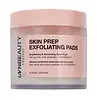
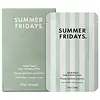
iNNBEAUTY PROJECT Skin Prep Exfoliating Pads Versus Summer Fridays Gentle Reset Daily Exfoliating Pads
This smoothing exfoliating pad uses a pre-saturated pad with Glycolic Acid and Gluconolactone to refine skin texture and brighten dull-looking skin.
This smoothing exfoliating pad uses a pre-saturated pad with Gluconolactone and Lactic Acid to refine skin texture and brighten dull-looking skin.

What's inside
What's inside
 Key Ingredients
Benefits
Concerns
Ingredients Side-by-side
Water
Skin ConditioningGlycolic Acid
Buffering











Pentylene Glycol
Skin Conditioning
Glycerin
Humectant
Gluconolactone
Chelating
Sodium Hydroxide
Buffering1,2-Hexanediol
Skin Conditioning
Ectoin
Skin Conditioning


Mandelic Acid
Antimicrobial
Tropaeolum Majus Flower/Leaf/Stem Extract
Skin ConditioningHexapeptide-9
Skin Conditioning
Tetrapeptide-4
Skin Conditioning
Squalane
Emollient
Maltobionic Acid
Buffering
Punica Granatum Fruit Extract
Antioxidant
Citrus Limon Fruit Extract
Masking
Terminalia Ferdinandiana Fruit Extract
Antioxidant
Creatine
Skin ConditioningAllantoin
Skin Conditioning
Sodium Polyglutamate
HumectantButylene Glycol
Humectant
Propanediol
Solvent
Centella Asiatica Extract
Cleansing
Cucumis Sativus Fruit Extract
Emollient
Hibiscus Sabdariffa Flower Extract
Skin ConditioningRosa Canina Fruit Extract
Astringent
Rose Extract
Skin ConditioningRumex Acetosella Extract
Skin ConditioningSorbitol
Humectant
Panthenol
Skin Conditioning
Tremella Fuciformis Extract
Humectant
Carthamus Tinctorius Flower Extract
Skin ConditioningBromelain
Skin Conditioning
Papain
Skin Conditioning
Sodium Benzoate
Masking
Hydroxyacetophenone
Antioxidant
Ethylhexylglycerin
Skin ConditioningSodium Phytate
ChelatingHydrogenated Lecithin
Emulsifying
Tocopherol
Antioxidant
Maltodextrin
Absorbent
Water, Glycolic Acid, Pentylene Glycol, Glycerin, Gluconolactone, Sodium Hydroxide, 1,2-Hexanediol, Ectoin, Mandelic Acid, Tropaeolum Majus Flower/Leaf/Stem Extract, Hexapeptide-9, Tetrapeptide-4, Squalane, Maltobionic Acid, Punica Granatum Fruit Extract, Citrus Limon Fruit Extract, Terminalia Ferdinandiana Fruit Extract, Creatine, Allantoin, Sodium Polyglutamate, Butylene Glycol, Propanediol, Centella Asiatica Extract, Cucumis Sativus Fruit Extract, Hibiscus Sabdariffa Flower Extract, Rosa Canina Fruit Extract, Rose Extract, Rumex Acetosella Extract, Sorbitol, Panthenol, Tremella Fuciformis Extract, Carthamus Tinctorius Flower Extract, Bromelain, Papain, Sodium Benzoate, Hydroxyacetophenone, Ethylhexylglycerin, Sodium Phytate, Hydrogenated Lecithin, Tocopherol, Maltodextrin
Water
Skin ConditioningButylene Glycol
Humectant
Propanediol
Solvent
1,2-Hexanediol
Skin Conditioning
Gluconolactone
Chelating
Pentylene Glycol
Skin Conditioning
Lactic Acid
Buffering
Mandelic Acid
Antimicrobial
Panthenol
Skin Conditioning
Glycolic Acid
Buffering
Betaine Salicylate
Antimicrobial
Houttuynia Cordata Extract
Skin Conditioning
Aloe Barbadensis Leaf Water
MaskingCynanchum Atratum Extract
Skin ConditioningMelaleuca Alternifolia Leaf Oil
Antioxidant


Althaea Rosea Flower Extract
Skin ConditioningGlycerin
Humectant
Caffeine
Skin Conditioning
Betaine
Humectant
Allantoin
Skin Conditioning
Arginine
Masking
Polyglyceryl-10 Isostearate
Skin Conditioning
Ethylhexylglycerin
Skin ConditioningCaprylyl Glycol
Emollient
Polyglyceryl-10 Oleate
Skin Conditioning
Sodium Phytate
ChelatingSodium Hydroxide
BufferingC12-14 Alketh-12
EmulsifyingWater, Butylene Glycol, Propanediol, 1,2-Hexanediol, Gluconolactone, Pentylene Glycol, Lactic Acid, Mandelic Acid, Panthenol, Glycolic Acid, Betaine Salicylate, Houttuynia Cordata Extract, Aloe Barbadensis Leaf Water, Cynanchum Atratum Extract, Melaleuca Alternifolia Leaf Oil, Althaea Rosea Flower Extract, Glycerin, Caffeine, Betaine, Allantoin, Arginine, Polyglyceryl-10 Isostearate, Ethylhexylglycerin, Caprylyl Glycol, Polyglyceryl-10 Oleate, Sodium Phytate, Sodium Hydroxide, C12-14 Alketh-12
Ingredients Explained
These ingredients are found in both products.
Ingredients higher up in an ingredient list are typically present in a larger amount.
1,2-Hexanediol is a synthetic liquid and another multi-functional powerhouse.
It is a:
- Humectant, drawing moisture into the skin
- Emollient, helping to soften skin
- Solvent, dispersing and stabilizing formulas
- Preservative booster, enhancing the antimicrobial activity of other preservatives
Allantoin is a soothing ingredient known for its protective and moisturizing properties; it's basically a quiet workhorse ingredient you can find in a huge range of cosmetics.
Though it can be derived from the comfrey plant, allantoin is produced synthetically for cosmetic products to ensure purity.
Research shows it can encourage your skin cells to turn over and renew by stimulating keratinocyte and fibroblast proliferation.
It also has mild keratolytic properties to help loosen and shed dead skin cells without being harsh.
Studies also suggest allantoin can help calm inflammation by dialing down some of the chemical signals your skin sends out when it is irritated.
This ingredient is typically used in the 0.1-0.5% range, and the FDA recognizes it as a skin protectant in OTC products up to 2%.
Overall, allantoin is a wonderful addition to most routines; it is stable across a wide pH range (~4-8), works well with other ingredients, and is considered non-sensitizing/non-irritating.
Fun fact: Allantoin is naturally occurring in comfrey root, beets, chamomile, and wheat sprouts. Our bodies even produce it as a byproduct of uric acid metabolism.
Learn more about AllantoinButylene Glycol (or BG) is used within cosmetic products for a few different reasons:
Overall, Butylene Glycol is a safe and well-rounded ingredient that works well with other ingredients.
Though this ingredient works well with most skin types, some people with sensitive skin may experience a reaction such as allergic rashes, closed comedones, or itchiness.
Learn more about Butylene GlycolEthylhexylglycerin is created from glycerin. It is a multitasker ingredient that:
The CIR Expert Panel found minimal skin absorption or sensitization of any kind in a safety assessment. Though this ingredient is considered well-tolerated, a small number of cases of allergic dermatitis have been published since 2002. Just be sure to patch test if you are unsure.
Industry-reported use ranges from 8% in rinse-off products and 2% in leave-on formulations.
Learn more about EthylhexylglycerinGluconolactone is a PHA. PHAs are a great gentle alternative to traditional AHAs.
When applied, Gluconolactone has the same affect on skin as AHAs such as lactic acid. It helps dissolve the dead skin cells in the top layer of your skin. This improves texture and brightens the skin.
PHAs are more gentle than AHAs due to their larger structure. They do not penetrate as deeply as AHAs and take a longer time to dissolve dead cells. Studies show PHAs do not cause as much irritation.
Gluconolactone has some interesting properties:
In a 2004 study, Gluconolactone was found to prevent UV damage in mouse skin cells and has not been found to increase sun sensitivity. However, we still recommend wearing SPF daily.
This ingredient is is an created by reacting gluconic acid with an alcohol.
Learn more about GluconolactoneGlycerin (or glycerol) is a compound naturally found in your skin. It's a powerhouse humectant that pulls water into the stratum corneum.
Topically, glycerin does several things at once:
Your skin makes glycerin on its own (mostly from sebaceous oil breakdown) and shuttles it to your outermost layer of skin, or your epidermis, via aquaporin-3.
Aquaporin-3 is a transporter that is essential for normal skin hydration, elasticity, and repair. Interestingly, mice lacking in AQP3 have dry and less elastic skin that can be fully corrected with glycerin.
This ingredient is non-irritating, plays well with almost every ingredient, and works across all skin types. Typical use is anywhere between 3-10% but can go up to 79% in some leave-on products.
Just know very high concentrations (>40%) can feel tacky in low humidity.
Glycerin is the name for this ingredient in American English. British English uses Glycerol/Glycerine.
Learn more about GlycerinGlycolic Acid is arguably the most famous alpha hydroxy acid (AHA) with tons of research backing its benefits.
It is found naturally in sugar cane but the form used in skincare is usually synthetic for purity and stability.
Glycolic acid removes the top layer of dead skin cells to allow newer and fresher ones to emerge.
AHAs work by breaking down the structural “glue” that holds old skin cells in place. When that buildup is gone, your skin can renew itself more efficiently.
Research also shows glycolic acid stimulates collagen production, helping to firm and thicken the skin over time. This is one of its biggest advantages over other AHAs.
Overall, glycolic acid helps with:
Fun fact: Glycolic acid boosts skin hydration by helping it produce molecules that increase hyaluronic acid naturally.
To work best, glycolic acid products should have a pH between 3-4 (that’s where exfoliation is most effective but still gentle on skin).
The pH and concentration of a product are key to its effectiveness:
It is normal to feel a slight stinging sensation when using glycolic acid. This usually fades as your skin adjusts.
Because glycolic acid has the smallest molecular size in the AHA family, it can penetrate deeper, which enhances its effectiveness but also makes it more likely to irritate sensitive skin.
If your skin is very sensitive or prone to rosacea, glycolic acid may be too strong; in that case, try milder options like lactic acid or a PHA instead.
Recent studies suggest glycolic acid might even help protect against UV damage. But don’t skip sunscreen! Freshly exfoliated skin is more sensitive to the sun.
Glycolic acid is a skincare superstar. It smooths, brightens, hydrates, and firms the skin. Unless you’re highly sensitive, it’s well worth adding to your routine.
Read more about some other popular AHA's here:
Learn more about Glycolic AcidMandelic Acid is an alpha hydroxy acid (AHA).
Like other AHAs, it helps exfoliate the surface of the skin by breaking down the bonds that hold dead skin cells together. This helps reveal smoother and brighter skin underneath.
Mandelic acid helps with:
Due to it having a larger molecular size than glycolic acid, mandelic acid is able to penetrate the skin more slowly and evenly. This makes it gentler and less irritating, making it a great option for sensitive or beginner skin.
Despite being milder, mandelic acid is still an effective exfoliant that improves skin texture and tone over time.
What makes mandelic acid stand out from other AHAs? It has antibacterial and antioxidant properties.
These traits make it a great option for acne-prone or problem skin by reducing active breakouts and fading post-acne marks. Studies show that mandelic acid (especially when combined with salicylic acid) can significantly reduce pimples and hyperpigmentation while causing fewer side effects than stronger acids.
Mandelic acid is effective in concentrations of 5% and up with an ideal pH range of 3-4 for at-home use.
Like other AHAs, it’s important to wear sunscreen daily to protect your newly exfoliated skin.
However, unlike glycolic acid, mandelic acid is light-sensitive. Be sure your mandelic acid is packaged in opaque containers to ensure it stays stable and effective.
In short, mandelic acid is a gentle yet powerful AHA that exfoliates, brightens, and helps clarify skin while keeping irritation low. Its antibacterial action makes it especially beneficial for those with acne-prone, sensitive, or uneven skin, offering smoother, clearer, and more even-toned results over time.
Read more about some other popular AHA's here:
Learn more about Mandelic AcidPanthenol is a common ingredient that helps hydrate and soothe the skin. It is found naturally in our skin and hair.
There are two forms of panthenol: D and L.
D-panthenol is also known as dexpanthenol. Most cosmetics use dexpanthenol or a mixture of D and L-panthenol.
Panthenol is famous due to its ability to go deeper into the skin's layers. Using this ingredient has numerous pros (and no cons):
Like hyaluronic acid, panthenol is a humectant. Humectants are able to bind and hold large amounts of water to keep skin hydrated.
This ingredient works well for wound healing. It works by increasing tissue in the wound and helps close open wounds.
Once oxidized, panthenol converts to pantothenic acid. Panthothenic acid is found in all living cells.
This ingredient is also referred to as pro-vitamin B5.
Learn more about PanthenolPentylene Glycol (1,2-pentanediol) is a multitasking little diol with three main roles in a formula:
Research on alkanediols (the family pentylene glycol belongs to) show they work by disrupting microbial cell membranes. This disruption helps the primary preservative system in a product work more effectively at lower doses.
On the safety side, the Cosmetic Ingredient Review Expert Panel has concluded this ingredient to be safe as used in current cosmetic practices + concentrations.
Typical use levels in a formula run about 1-5%.
Learn more about Pentylene GlycolPropanediol is an all-star ingredient. It softens, hydrates, and smooths the skin.
It’s often used to:
Propanediol is not likely to cause sensitivity and considered safe to use. It is derived from corn or petroleum with a clear color and no scent.
Learn more about PropanediolSodium Hydroxide is also known as lye or caustic soda. It is used to adjust the pH of products; many ingredients require a specific pH to be effective.
In small amounts, sodium hydroxide is considered safe to use. However, large amounts may cause chemical burns due to its high alkaline.
Your skin has a natural pH and acid mantle. This acid mantle helps prevent harmful bacteria from breaking through. The acid mantle also helps keep your skin hydrated.
"Alkaline" refers to a high pH level. A low pH level would be considered acidic.
Learn more about Sodium HydroxideSodium Phytate is the sodium salt of Phytic acid, a compound that plants store phosphorus in. It's the plant-derived alternative to ingredients like Disodium EDTA.
In skincare, this ingredient is a chelator that grabs onto trace metal ions like iron and copper that sneak into formulas through water/raw materials.
Those metals speed up oxidation so binding them keeps oils, fragrance, and actives from going off, stops color changes, and helps the preservative system work harder.
Survey data shows usage levels range from 0.0099%-0.5% in leave-on products, 0.025%-0.3% in rinse-off, and up to 0.05% in eye-area products. Suppliers typically recommend a range between 0.05-0.5%.
Learn more about Sodium PhytateWater. It's the most common cosmetic ingredient of all. You'll usually see it at the top of ingredient lists, meaning that it makes up the largest part of the product.
So why is it so popular? Water most often acts as a solvent - this means that it helps dissolve other ingredients into the formulation.
You'll also recognize water as that liquid we all need to stay alive. If you see this, drink a glass of water. Remember to stay hydrated!
Learn more about Water

