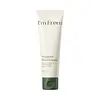
This calming moisturizer is formulated around Niacinamide and Artemisia Princeps Extract to calm redness and hydrate skin.
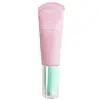
This anti-aging moisturizer is formulated around Lactobionic Acid and Palmitoyl Pentapeptide-4 to soften the look of wrinkles.


What's inside
What's inside
 Key Ingredients
Benefits
Concerns
Ingredients Side-by-side
Water
Skin ConditioningGlycerin
Humectant


Propanediol
Solvent
Polyglycerin-3
Humectant
Niacinamide
Smoothing









1,2-Hexanediol
Skin Conditioning
Cetyl Ethylhexanoate
EmollientCaprylic/Capric Triglyceride
Masking
Artemisia Princeps Extract
Skin Conditioning
Polyglyceryl-3 Distearate
Emulsifying

Cetearyl Olivate
Sorbitan Olivate
Emulsifying
Tromethamine
BufferingMelia Azadirachta Leaf Extract
Skin ConditioningCarbomer
Emulsion StabilisingAcrylates/C10-30 Alkyl Acrylate Crosspolymer
Emulsion StabilisingAmmonium Acryloyldimethyltaurate/Vp Copolymer
Maltodextrin
Absorbent
Ethylhexylglycerin
Skin ConditioningAdenosine
Skin Conditioning
Melia Azadirachta Flower Extract
Skin ConditioningDextrin
AbsorbentTheobroma Cacao Extract
Skin ConditioningGlyceryl Stearate Citrate
Emollient
Methyl Diisopropyl Propionamide
MaskingXanthan Gum
EmulsifyingZinc PCA
Humectant
Disodium EDTA
ChelatingWater, Glycerin, Propanediol, Polyglycerin-3, Niacinamide, 1,2-Hexanediol, Cetyl Ethylhexanoate, Caprylic/Capric Triglyceride, Artemisia Princeps Extract, Polyglyceryl-3 Distearate, Cetearyl Olivate, Sorbitan Olivate, Tromethamine, Melia Azadirachta Leaf Extract, Carbomer, Acrylates/C10-30 Alkyl Acrylate Crosspolymer, Ammonium Acryloyldimethyltaurate/Vp Copolymer, Maltodextrin, Ethylhexylglycerin, Adenosine, Melia Azadirachta Flower Extract, Dextrin, Theobroma Cacao Extract, Glyceryl Stearate Citrate, Methyl Diisopropyl Propionamide, Xanthan Gum, Zinc PCA, Disodium EDTA
Water
Skin ConditioningEthylhexyl Methoxycinnamate
UV Absorber


Propanediol
Solvent
Butylene Glycol
Humectant
Caprylic/Capric Triglyceride
Masking
Glycerin
Humectant
Lactobionic Acid
Buffering
Palmitoyl Pentapeptide-4
Skin Conditioning
Polyacrylamide
C13-14 Isoparaffin
Emollient
Laureth-7
EmulsifyingBeta-Glucan
Skin Conditioning
Sodium Hyaluronate
Humectant
Saccharide Isomerate
Humectant
Tetrapeptide-44
Skin Conditioning
Acetyl Hexapeptide-8
Humectant
Bisabolol
Antioxidant
Tocopheryl Acetate
Antioxidant
Artemisia Capillaris Extract
Pentylene Glycol
Skin Conditioning
Helianthus Annuus Seed Oil
Emollient
Spirulina Platensis Extract
Skin ProtectingMalus Domestica Fruit Extract
Antioxidant
Maltodextrin
Absorbent
Caprylyl Glycol
Emollient
1,2-Hexanediol
Skin Conditioning
Ethylhexylglycerin
Skin ConditioningCitric Acid
Buffering
Sodium Citrate
BufferingPhenoxyethanol
Preservative
Sucrose
Humectant
Tromethamine
BufferingWater, Ethylhexyl Methoxycinnamate, Propanediol, Butylene Glycol, Caprylic/Capric Triglyceride, Glycerin, Lactobionic Acid, Palmitoyl Pentapeptide-4, Polyacrylamide, C13-14 Isoparaffin, Laureth-7, Beta-Glucan, Sodium Hyaluronate, Saccharide Isomerate, Tetrapeptide-44, Acetyl Hexapeptide-8, Bisabolol, Tocopheryl Acetate, Artemisia Capillaris Extract, Pentylene Glycol, Helianthus Annuus Seed Oil, Spirulina Platensis Extract, Malus Domestica Fruit Extract, Maltodextrin, Caprylyl Glycol, 1,2-Hexanediol, Ethylhexylglycerin, Citric Acid, Sodium Citrate, Phenoxyethanol, Sucrose, Tromethamine
Reviews
Ingredients Explained
These ingredients are found in both products.
Ingredients higher up in an ingredient list are typically present in a larger amount.
1,2-Hexanediol is a synthetic liquid and another multi-functional powerhouse.
It is a:
- Humectant, drawing moisture into the skin
- Emollient, helping to soften skin
- Solvent, dispersing and stabilizing formulas
- Preservative booster, enhancing the antimicrobial activity of other preservatives
Caprylic/Capric Triglyceride (aka MCT Oil) is a lightweight emollient, solvent, and texture enhancer. It is considered a skin-softener by helping to prevent moisture loss.
Though it behaves like an oil, it is not technically one due to its chemical composition. One perk of this ingredient is that it is very stable, resistant to oxidation, and unlikely to go rancid.
In practice, that translates to a long shelf life and a consistently elegant skin feel.
While there is an assumption Caprylic Triglyceride can clog pores due to it being derived from coconut oil, there is no research supporting this. Just patch test if you have concerns.
Fractionated coconut oil and MCT Oil are both listed as Caprylic/Capric Triglyceride according to INCI. This is because INCI names are based on the ingredient’s final chemical composition and not its marketing name or source.
This ingredient is treated as the gold standard fungal acne safe oil. Even though it is coconut derived, the problematic lauric acid is stripped out.
This leaves just caprylic (C8) and capric (C10) acid. These chain lengths actually trend antifungal; a 2020 study found caprylic acid was enough to disrupt Malassezia furfur cell membrane, with a caprylic acid derivative damaging membrane structures at concentrations as low as 0.2%.
Learn more about Caprylic/Capric TriglycerideEthylhexylglycerin is created from glycerin. It is a multitasker ingredient that:
The CIR Expert Panel found minimal skin absorption or sensitization of any kind in a safety assessment. Though this ingredient is considered well-tolerated, a small number of cases of allergic dermatitis have been published since 2002. Just be sure to patch test if you are unsure.
Industry-reported use ranges from 8% in rinse-off products and 2% in leave-on formulations.
Learn more about EthylhexylglycerinGlycerin (or glycerol) is a compound naturally found in your skin. It's a powerhouse humectant that pulls water into the stratum corneum.
Topically, glycerin does several things at once:
Your skin makes glycerin on its own (mostly from sebaceous oil breakdown) and shuttles it to your outermost layer of skin, or your epidermis, via aquaporin-3.
Aquaporin-3 is a transporter that is essential for normal skin hydration, elasticity, and repair. Interestingly, mice lacking in AQP3 have dry and less elastic skin that can be fully corrected with glycerin.
This ingredient is non-irritating, plays well with almost every ingredient, and works across all skin types. Typical use is anywhere between 3-10% but can go up to 79% in some leave-on products.
Just know very high concentrations (>40%) can feel tacky in low humidity.
Glycerin is the name for this ingredient in American English. British English uses Glycerol/Glycerine.
Learn more about GlycerinMaltodextrin is a plant-derived carbohydrate made by breaking down starch (usually from corn, potato, or rice). In cosmetic formulas, it's a multitasking absorbent, emulsion stabilizer, and skin conditioner.
This ingredient is mostly used to stabilize emulsions and improve the powdery, non-greasy feel of products (like dry shampoos).
Safety-wise, this ingredient is pretty solid; it's even recognized as a food additive. Both animal and clinical studies found no adverse effects at the levels used in cosmetics.
Industry data shows this ingredient is used up to 45.7% in spray products and up to 33% in powder products.
Learn more about MaltodextrinPropanediol is an all-star ingredient. It softens, hydrates, and smooths the skin.
It’s often used to:
Propanediol is not likely to cause sensitivity and considered safe to use. It is derived from corn or petroleum with a clear color and no scent.
Learn more about PropanediolTromethamine (aka THAM) is a synthetic amino acid that shows up in skincare as a helper ingredient.
It functions as a pH adjuster to help neutralize acidic ingredients and set a formula's pH to the right spot.
This matters a lot because a lot of actives (like vitamin C) needs a specific pH to work well and feel comfortable on skin.
Concentration use ranges from 0.1-1.0% depending on the formula.
Learn more about TromethamineWater. It's the most common cosmetic ingredient of all. You'll usually see it at the top of ingredient lists, meaning that it makes up the largest part of the product.
So why is it so popular? Water most often acts as a solvent - this means that it helps dissolve other ingredients into the formulation.
You'll also recognize water as that liquid we all need to stay alive. If you see this, drink a glass of water. Remember to stay hydrated!
Learn more about Water

